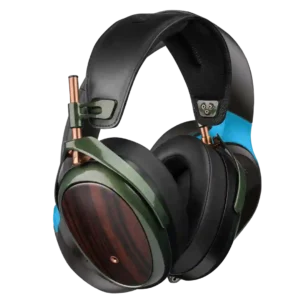
Overall: 4.4/5
The standard 3.5mm connection is straightforward and plug-and-play with compatible computers and portable devices.
Pros: Bass performance, Design and Aesthetics
Cons: Headband adjustability

Overall: 4.4/5
The standard 3.5mm connection is straightforward and plug-and-play with compatible computers and portable devices.
Pros: Bass performance, Design and Aesthetics
Cons: Headband adjustability

Overall: 4.2/5
The 3.5mm input is genuinely useful for analog sources, adding flexibility for travel and legacy gear.
Pros: Active noise cancellation, Overall recommendation
Cons: Carry case quality, Value for money
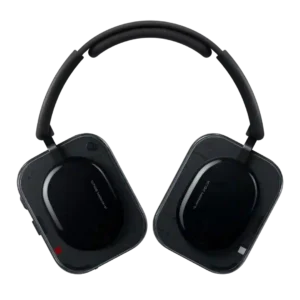
Overall: 4.0/5
The 3.5mm input is genuinely useful for wired listening, including plane use while keeping ANC active.
Pros: Battery, Active noise cancellation
Cons: Bass performance, Carry case quality
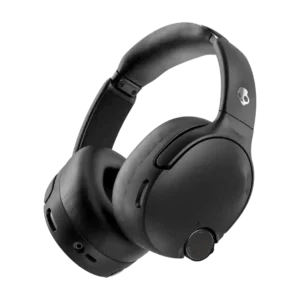
Overall: 4.3/5
The 3.5mm input adds useful fallback listening and continues to work when the battery is dead. Sensory bass and other powered processing are unavailable in passive mode.
Pros: Value for money, Bass performance
Cons: Weight comfort, Frequency response accuracy
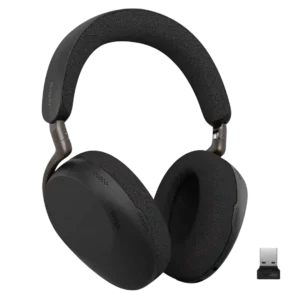
Overall: 4.5/5
The analog jack is a practical bonus for flights, entertainment systems, and wired listening, and several testers specifically appreciated having it.
Pros: Battery, Charging
Cons: Value for money, Codec support
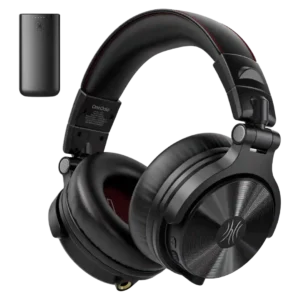
Overall: 3.8/5
Analog input flexibility was a standout advantage, with repeated praise for built-in 3.5mm/6.35mm support and wired performance.
Pros: Overall recommendation, Comfort during long use
Cons: Sound quality, Frequency response accuracy
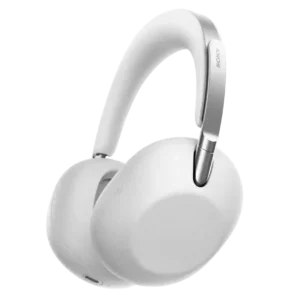
Overall: 4.2/5
The 3.5mm input is useful for wired lossless listening, although the headphones still need power for their internal processing.
Pros: Comfort during long use, Premium feel
Cons: Battery, Value for money

Overall: 4.2/5
The 3.5mm analog input was praised as a welcome wired option.
Pros: Battery, Active noise cancellation
Cons: Transparency mode quality, Carry case quality

Overall: 4.1/5
The analog socket is a welcome option for flights and other wired sources, with ANC still available. Playback generally requires the headphones to be powered and charged.
Pros: Comfort during long use, Ear cup padding quality
Cons: Frequency response accuracy, Treble clarity
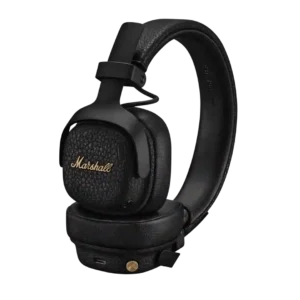
Overall: 4.3/5
The included USB-C-to-3.5mm cable supports legacy wired sources and seatback systems. Analog mode still requires battery power, so it is not a true passive fallback.
Pros: Overall recommendation, Battery
Cons: Wear detection auto-pause, Noise isolation (passive)

Overall: 4.0/5
The analog input is a useful fallback for airplane entertainment and listening when the battery is depleted. Passive playback can sound less dynamic than powered listening.
Pros: Active noise cancellation, Sound quality
Cons: Carry case quality, Included accessories

Overall: 4.0/5
The included USB-C-to-3.5mm cable is a welcome option for analog sources, including aircraft entertainment systems.
Pros: Design and Aesthetics, Repairability
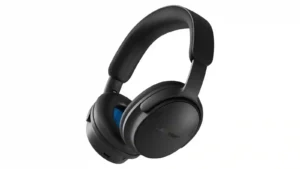
Overall: 4.0/5
There is no native 3.5mm jack, which some reviewers consider a real loss, though the included USB-C-to-3.5mm cable softens the drawback for flights and analog sources.
Pros: Overall recommendation, Active noise cancellation
Cons: Battery, Equalizer customization
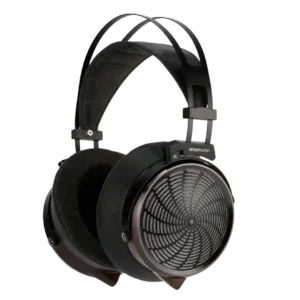
Overall: 4.4/5
A 3.5mm adapter is included, so standard laptop and portable connections are possible. The long adapted plug is awkward, and a dedicated 3.5mm cable would be cleaner.
Pros: Build quality, Comfort during long use

Overall: 4.0/5
There is no native 3.5mm socket, which disappointed listeners who wanted a standard analog connection. Wired listening instead uses the included USB-C-to-3.5mm cable and still requires power.
Pros: Overall recommendation, Active noise cancellation
Cons: Bass performance, Clamping force comfort

Overall: 4.1/5
The lack of a 3.5mm analog path is a major recurring complaint, especially for airplane entertainment, consoles and battery-independent playback.
Pros: Overall recommendation, Replaceable pads/headband
Cons: 3.5mm analog input availability, Travel friendliness