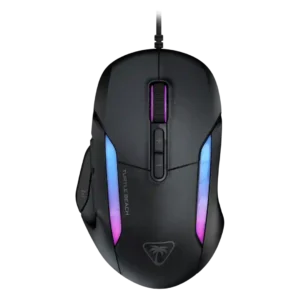
Programmable buttons were a major strength, with reviewers valuing the extra inputs, Easy-Shift layering, and seven-button expandability.
Pros: value for money, button customization
Cons: fingertip grip comfort, portability

Programmable buttons were a major strength, with reviewers valuing the extra inputs, Easy-Shift layering, and seven-button expandability.
Pros: value for money, button customization
Cons: fingertip grip comfort, portability
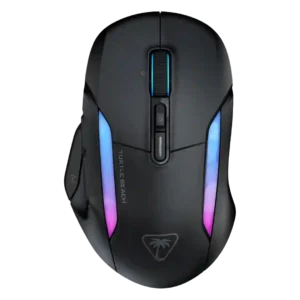
Programmable buttons were praised for expanding commands and making the mouse versatile for work, FPS, MMO, and macro-heavy use.
Pros: battery life, software usability
Cons: weight, FPS gaming suitability
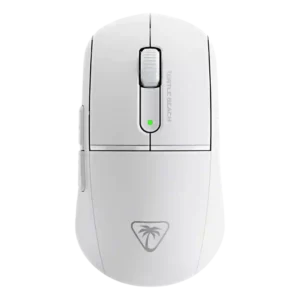
Programmable-button evidence was positive where Easy Shift, reassignment, and layered functions added utility despite the limited physical button count.
Pros: weight, battery life
Cons: polling rate, RGB features
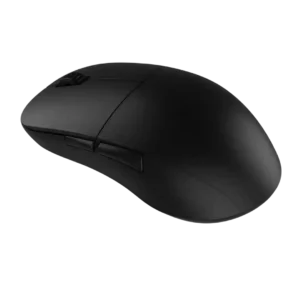
Programmable buttons were praised in one review for being easily accessible in the standard layout.
Pros: value for money, glide smoothness
Cons: fingertip grip comfort, surface compatibility
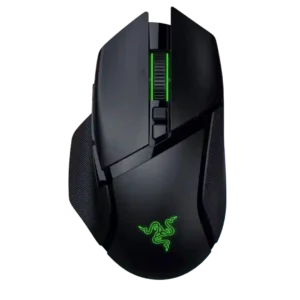
Programmable buttons were a major advantage, providing enough controls for productivity, MMOs, MOBAs, and general gaming.
Pros: scroll wheel quality, battery life
Cons: value for money, weight
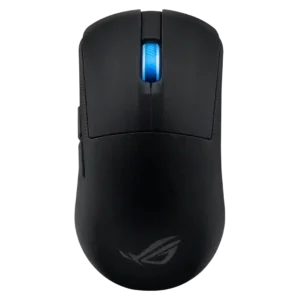
Programmable buttons were viewed as useful and easy to configure in the reviews that judged button programming.
Pros: shape comfort, value for money
Cons: handedness options
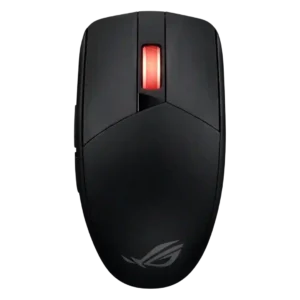
Programmable buttons are framed as useful because the configurable buttons add gameplay versatility through Armoury Crate.
Pros: Accuracy and tracking precision, shape comfort
Cons: long-session comfort
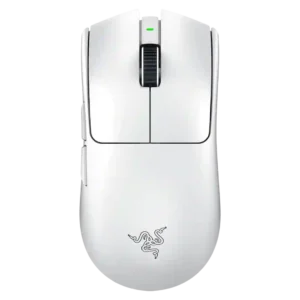
Programmable controls and remapping were seen as useful through Synapse, though the esports-focused button count limits broader genre flexibility.
Pros: build quality, software usability
Cons: value for money, polling rate
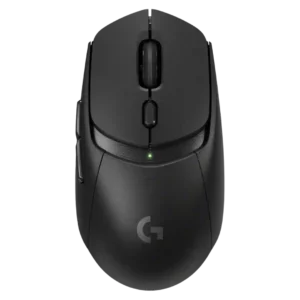
Programmable button usefulness was adequate but limited by the six-button layout; reviewers liked remapping but noted there is not much to remap.
Pros: value for money, weight
Cons: premium feel, polling rate
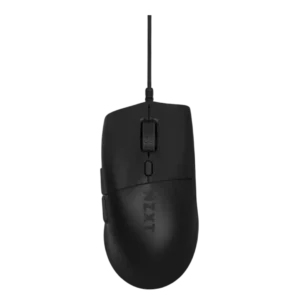
Programmable-button evidence was positive but limited by button count, with reviewers saying the mouse is configurable while noting few mappable buttons.
Pros: value for money, ergonomic design
Cons: RGB features, portability
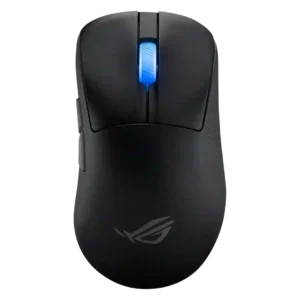
Programmable buttons were considered competitive and sufficient for this class, though not extensive like MMO mice.
Pros: value for money, sensor performance
Cons: software usability, grip texture
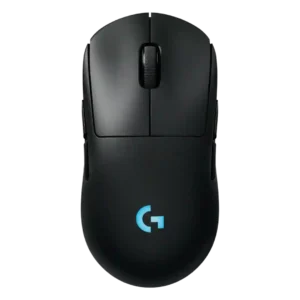
Programmable buttons are useful for flexible layouts, with one reviewer implying the richer button configuration is worth keeping.
Pros: battery life, handedness options
Cons: value for money, polling rate
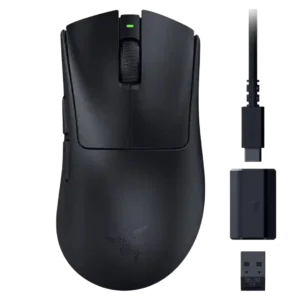
Programmable-button evidence was mixed: reviewers valued practical FPS-side-button use, but criticized the claimed button count as essentially standard.
Pros: value for money, weight
Cons: Bluetooth support, cable flexibility
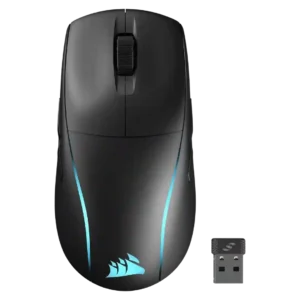
Reviewers found the programmable button count limiting for a gaming mouse, especially at the price.
Pros: battery life, glide smoothness
Cons: side button quality, value for money
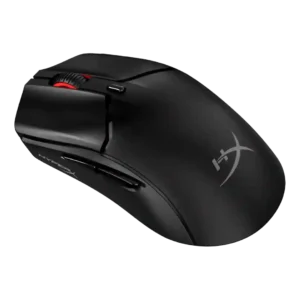
Programmable button support covers basic reassignment, but reviewers found the binding depth limited.
Pros: side button quality, scroll wheel quality
Cons: weight, FPS gaming suitability
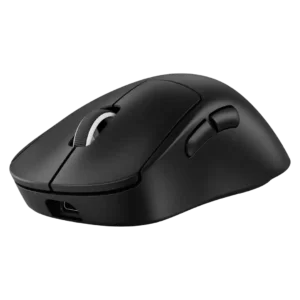
Programmable button evidence was mixed: G Hub assignment was useful, but the five-button layout and lack of extra controls limited flexibility.
Pros: weight, shape comfort
Cons: side button quality, value for money
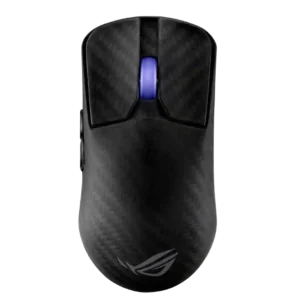
Programmable buttons were functional but limited, with reviewers repeatedly noting the basic five-button layout.
Pros: sensor performance, build quality
Cons: value for money, battery life
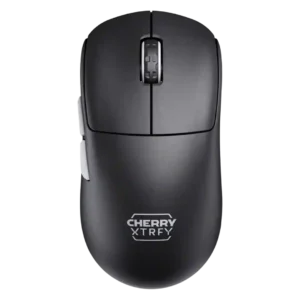
Programmable-button support was weak because reviewers noted that buttons could not be reprogrammed without software.
Pros: build quality, shape comfort
Cons: value for money, charging convenience