Best for monetization fairness
It Takes Two
5.0 feature score
Highest scored product for this feature based on supporting review evidence.

Highest scored product for this feature based on supporting review evidence.
Balances feature score, supporting reviews, and overall product strength.
Has the broadest review evidence for this feature.
Strongest overall product among items with scored evidence for this feature.
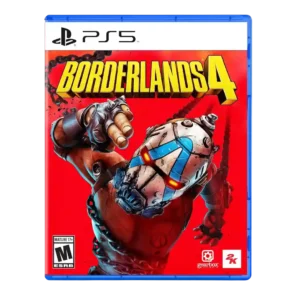
Monetization fairness is praised because reviewers value the single-box-price approach and lack of live-service monetization pressure.
Pros: sandbox freedom, art direction
Cons: polish, save system reliability
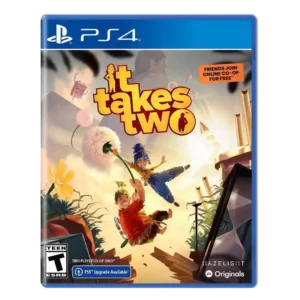
Monetization fairness is praised because Friend Pass/pro-consumer ownership rules let two people play without both buying full copies.
Pros: core gameplay loop, movement feel
Cons: character development, dialogue quality
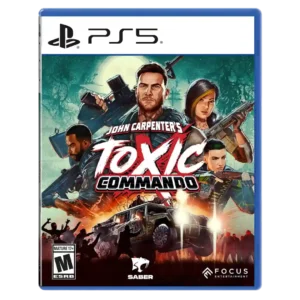
Monetization earns positive marks at launch because progression is not locked behind premium systems and earnable rewards remain tied to play.
Pros: gameplay mechanics, boss design
Cons: age appropriateness, family friendliness
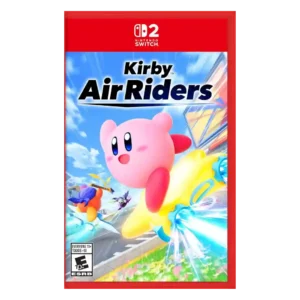
Reviewers appreciated customization being funded with in-game currency rather than real-money microtransactions.
Pros: flying mechanics, exploration quality
Cons: AI behavior, boss design
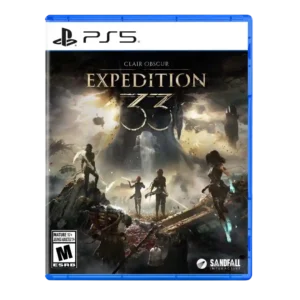
Monetization was praised through the absence of microtransactions and a lower launch price.
Pros: monetization fairness, microtransaction impact
Cons: platforming precision, menu usability
The low upfront price and absence of battle passes or live-service monetization are treated as meaningful positives.
Pros: movement feel, pacing
Cons: economy and resource balance, onboarding experience
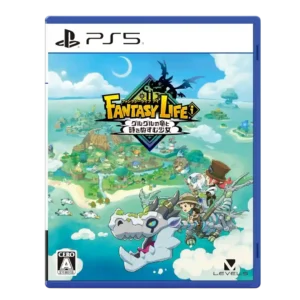
One reviewer praises the lack of live-service-style greedy microtransactions after purchase.
Pros: load times, crash stability
Cons: originality, voice acting
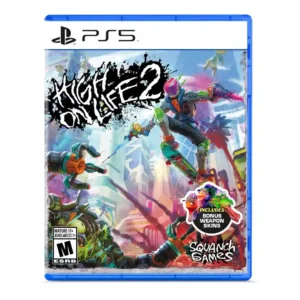
The single-player design earns praise for focusing on the campaign’s gimmicks and fun rather than squeezing players with intrusive monetization.
Pros: tutorial quality, monetization fairness
Cons: polish, HUD clarity
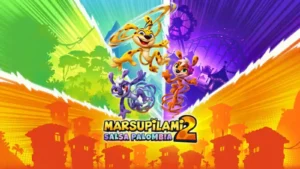
The game is praised for simply offering its platforming experience without ongoing spending pressure or donation-style monetization.
Pros: monetization fairness, handheld play suitability
Cons: economy and resource balance, enemy variety
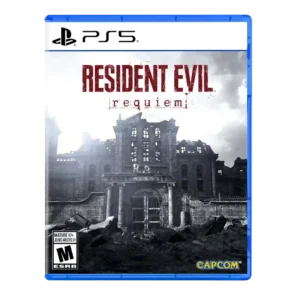
Monetization fairness was praised because the game was described as free of greedy practices.
Pros: driving mechanics, protagonist appeal
Cons: platform-specific feature support, checkpoint system
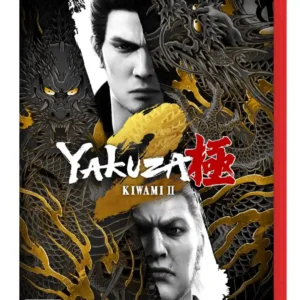
The in-game progression was praised for handing out its currencies at a fair rate and not pushing paid shortcuts. That keeps character growth tied to normal play.
Pros: controls responsiveness, exploration quality
Cons: QTE design, camera behavior
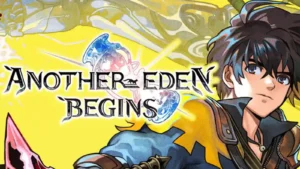
The move to a one-time-purchase RPG is broadly welcomed because it removes the original gacha structure. The separate character DLC is a caveat, but the core release itself is viewed...
Pros: controls responsiveness, world interactivity
Cons: DLC value, platform-specific feature support
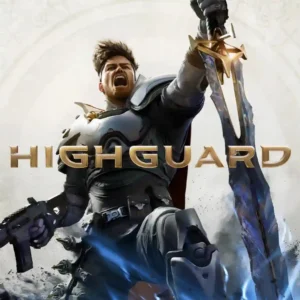
The free-to-play model is generally viewed favorably because gameplay content is accessible without mandatory spending.
Pros: controls responsiveness, level design
Cons: world interactivity, dialogue quality
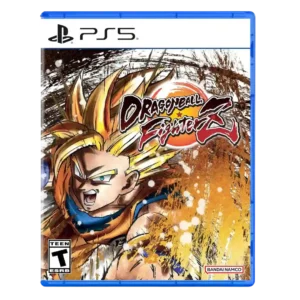
Monetization fairness is mostly favorable for in-game currency and non-predatory loot boxes, with some reservations about loot boxes and DLC pricing.
Pros: movement feel, world-building
Cons: save system reliability, mission variety
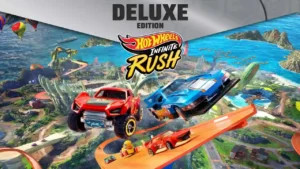
The standard package is generally viewed as reasonably substantial for the asking price, even with higher-priced editions and add-on passes available.
Pros: haptic feedback integration, sound design
Cons: core gameplay loop, soundtrack quality
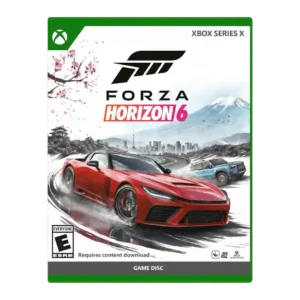
Monetization fairness is viewed positively where generosity is contrasted with money-grabbing or stinginess.
Pros: open-world design, replay value
Cons: dialogue quality, writing quality
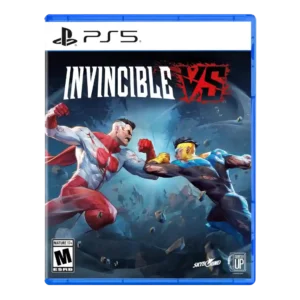
Monetization fairness was mixed: the base price was seen as reasonable, while base-plus-season-pass spending raised caution.
Pros: immersion, frame rate stability
Cons: user interface design, bug frequency
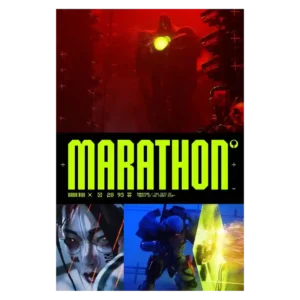
Monetization earns mixed-to-negative reactions: expensive cosmetics and a weak rewards track draw criticism, but the lack of meaningful pay-to-win advantages is a clear positive. The base game is not gated...
Pros: world interactivity, voice acting
Cons: menu usability, HUD clarity
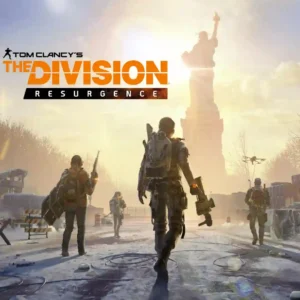
The full game can be enjoyed without paying, but free progress is slower and not every store offer provides good value.
Pros: exploration quality, sandbox freedom
Cons: mission variety, companion AI
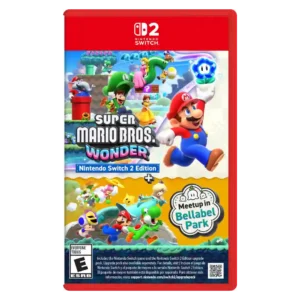
Some writers object to charging for visual or accessibility improvements that could have been free, while others think the amount of new playable content justifies the paid upgrade. The fairness...
Pros: controls responsiveness, voice acting
Cons: matchmaking quality, user interface design
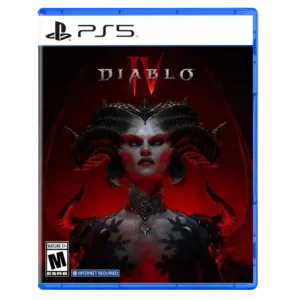
Monetization was mixed: cosmetics were not intrusive or pay-to-win, but reviewers repeatedly criticized high prices and paid layers in a full-priced game.
Pros: lore depth, art direction
Cons: mission variety, protagonist appeal
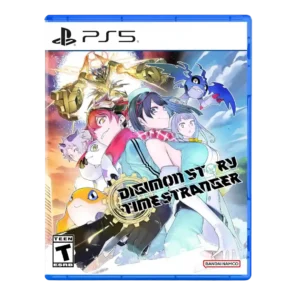
Monetization fairness was mixed: no real-money microtransactions helped, but DLC-locked quests and grind dungeons raised concerns.
Pros: atmosphere, world-building
Cons: HUD clarity, fast travel convenience
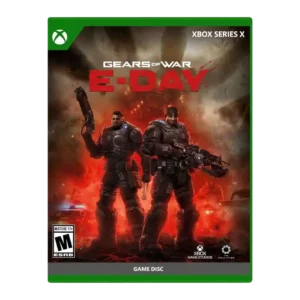
Monetization evidence is split between earnable content promises and frustration over steep collector's edition pricing.
Pros: emotional impact, art direction
Cons: value for money, platform-specific feature support
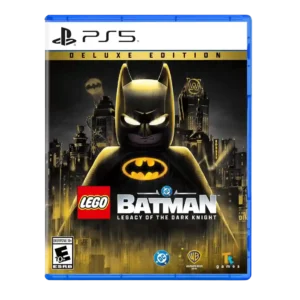
Monetization fairness is split: cosmetic deluxe content is framed as optional, but locking Mayhem mode behind deluxe drew criticism.
Pros: pacing, core gameplay loop
Cons: companion AI, map and navigation design
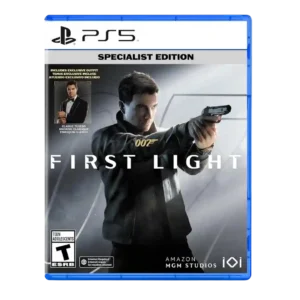
Monetization fairness is unresolved, with one reviewer saying monetization still needs clarity before it can be judged.
Pros: level design, user interface design
Cons: AI behavior, facial animations
Replanted is sold as a complete premium package without the aggressive monetization associated with later mobile entries. The main fairness debate is the upfront price, not pressure to spend after...
Pros: age appropriateness, family friendliness
Cons: competitive balance, level design
The free core game earns praise, but monetization sentiment is mixed to negative around paid skins, premium tiers, and cross-mode pressure. The strongest positive is that gameplay power is not...
Pros: controls responsiveness, sandbox freedom
Cons: frame rate stability, user interface design
Monetization is the most divisive area. Some builds looked fairly restrained and non-gacha, while other beta systems sold meaningful progression advantages; later changes improved confidence but did not erase the...
Pros: level design, replay value
Cons: competitive balance, battle pass value
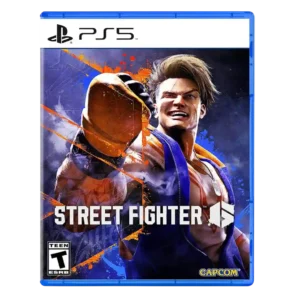
Monetization fairness was the most persistent concern, with several reviewers objecting to premium currency and aggressive cosmetic monetization.
Pros: movement feel, art direction
Cons: platforming precision, writing quality
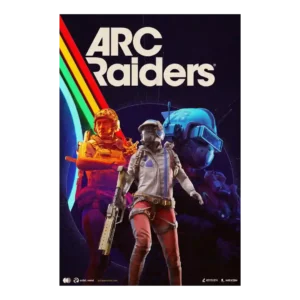
Cosmetics were flagged as pricey and less customizable than expected in one review.
Pros: frame rate stability, platform-specific feature support
Cons: voice acting, writing quality
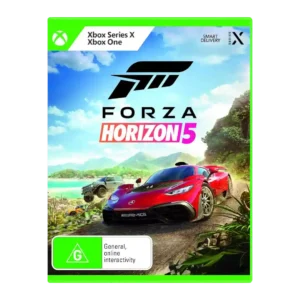
Monetization fairness is questioned on PS5 because pricing is called high for an older game.
Pros: controls responsiveness, movement feel
Cons: tutorial quality, animation quality
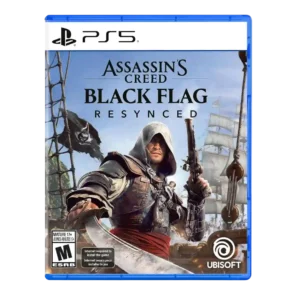
Monetization fairness is a concern where one reviewer interpreted perk-bearing deluxe content as potentially pay-to-win.
Pros: core gameplay loop, visual effects quality
Cons: monetization fairness, microtransaction impact
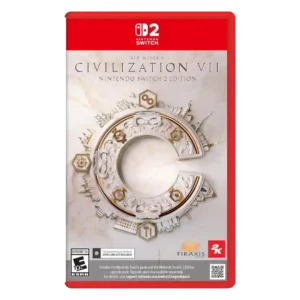
One reviewer criticized early paid DLC and pricing as a monetization concern.
Pros: animation quality, controls responsiveness
Cons: matchmaking quality, user interface design
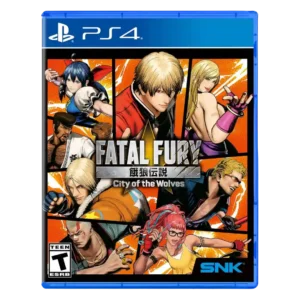
Monetization fairness is criticized where fan-favorite characters are framed as paid early DLC pressure.
Pros: emotional impact, animation quality
Cons: enemy variety, server reliability

The separately sold in-game editor remains an unpopular extra charge, especially alongside concerns about the base game's value.
Pros: onboarding experience, replay value
Cons: save system reliability, multiplayer design
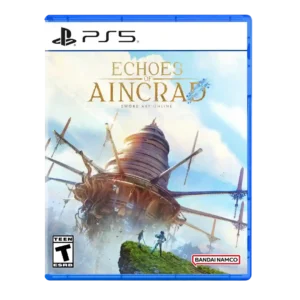
Monetization fairness was criticized because permadeath access was tied to beating the game or buying a more expensive version.
Pros: environmental detail, art direction
Cons: world interactivity, loot system
The Tarnished Pack’s paid cosmetic-and-starting-gear approach worries some reviewers because it departs from FromSoftware’s usual pattern of more substantial paid expansions or free minor updates.
Pros: gameplay mechanics, core gameplay loop
Cons: platforming precision, tutorial quality
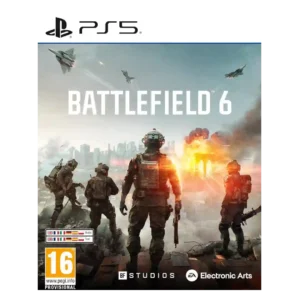
monetization fairness was criticized as predatory or overpriced.
Pros: haptic feedback integration, performance optimization
Cons: pacing, microtransaction impact
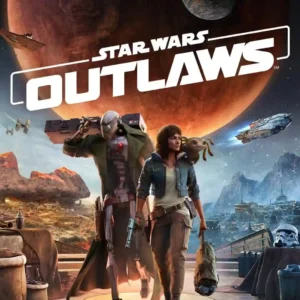
Full-price and premium-edition pricing draw sharp criticism, especially the $70 base game, $130 packages, and paid early access.
Pros: visual effects quality, user interface design
Cons: monetization fairness, bug frequency

Selling the versions separately draws sharp criticism, with the harshest takes calling the rerelease overpriced and needlessly extractive.
Pros: boss design, side character depth
Cons: monetization fairness, originality
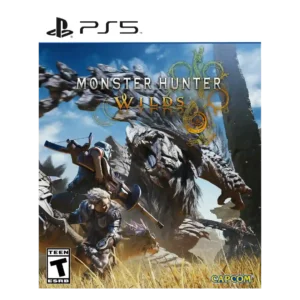
Monetization fairness drew criticism where editing a created character required paying for extra vouchers.
Pros: art direction, cross-play support
Cons: dialogue quality, monetization fairness

Monetization is the clearest consensus weakness. Paid editions, VC, card packs, Ringside progression, and purchasable tier skips combine to make an already full-price annual release feel overly aggressive.
Pros: lore depth, co-op experience
Cons: economy and resource balance, tutorial quality

Pay-to-win pressure and full-price entry make the economy feel unfair to many players, especially when competitive MyPLAYER builds can be accelerated with real money.
Pros: crash stability, sandbox freedom
Cons: battle pass value, monetization fairness
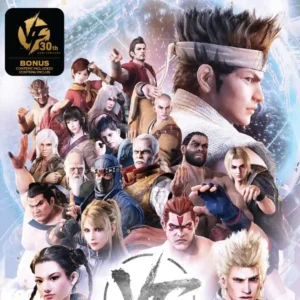
Locking Dural and portions of legacy customization behind paid DLC is consistently viewed as the package’s least fair design choice.
Pros: onboarding experience, faithfulness to franchise
Cons: character development, achievement list quality

Monetization is one of the weakest areas. HUT and World of CHEL are repeatedly criticized for letting money buy faster progression or stronger competitive positioning.
Pros: aiming precision, accessibility options
Cons: pacing, loot system
The harshest monetization comments argue that players are being charged more while receiving less value, framing the commercial model as unfair.
Pros: soundtrack quality, load times
Cons: character development, monetization fairness
Monetization fairness drew strong criticism from a negative review calling the package exploitative.
Pros: crash stability, gameplay mechanics
Cons: AI behavior, monetization fairness
One PC-focused review went beyond calling the remaster unnecessary and described the commercial proposition as potentially predatory for existing owners.
Pros: crafting system, content variety
Cons: monetization fairness, endgame content