
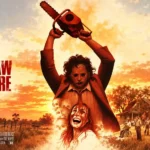
The Texas Chain Saw Massacre Feature Scores
Explore all 61 feature scores for The Texas Chain Saw Massacre, organized into pros and cons.
Scores by Feature
Summary
61 reviewed features-
Very positive 4.5-5.033 (54%)
-
Positive 3.5-4.419 (31%)
-
Neutral 2.5-3.44 (7%)
-
Negative 1.5-2.45 (8%)
Pros
Sort
-
The original is overwhelmingly regarded as a horror landmark whose dread still works. Dissenters find it overrated, unpleasant, or less satisfying than other classics.
-
The film is widely praised for shaping the masked-killer slasher, the final girl, and generations of independent horror. Leatherface’s imagery remains especially recognizable.
-
The rural setting, grainy texture, natural reactions, and plausible progression into danger make the nightmare feel disturbingly close. Several viewers emphasize how ordinary the victims seem.
-
Bone furniture, feathers, carcasses, and ominous small details make the farmhouse a standout horror setting. Its carefully arranged interiors are repeatedly admired as macabre works of art.
-
Low tracking angles, looming houses, and extreme eye close-ups turn ordinary spaces into a nightmare. The raw photography wins widespread praise, although a few find the restless camera nauseating or poorly controlled.
-
Grimy grain, heat, and rough texture make the film feel distinctive and unnervingly authentic. Beautiful compositions coexist with the filth, though the look may seem dated to viewers used to digital polish.
-
Burns’s screams, desperation, and transition into hysteria make Sally’s ordeal intensely convincing. Her commitment often compensates for a protagonist with little conventional character development.
-
The sudden shocks, experimental craft, and pre-formulaic approach feel unusually distinctive. Even familiar slasher elements are credited with helping establish conventions that later films repeated.
-
Hooper’s inventive angles, abrupt shocks, and escalating dread earn strong admiration, often even from viewers who dislike the film. A minority find the execution sloppy or excessively chaotic.
-
Sweaty heat, isolation, decay, and a documentary-like texture create suffocating dread for most viewers. A few find that deliberately miserable atmosphere oppressive without enough enjoyment in return.
-
The chainsaw dance and abrupt finish are frequently hailed as unforgettable. Sally’s escape brings little reassurance, and some dislike the lack of emotional release.
-
A foreboding buildup gives way to prolonged panic, false safety, and desperate chases. The tension stays potent on repeat viewing for many, though predictability and frustration limit it for some.
-
Flashbulb noises, animal sounds, screams, and the chainsaw create a distinctive, immersive soundscape. The same relentless screaming becomes irritating or exhausting for some viewers.
-
Abrupt appearances, implied injury, and sustained helplessness earn extensive praise for lasting terror. A smaller group finds the scares dated or describes the experience as disturbing rather than frightening.
-
Abrupt kills, rhythmic chase cutting, and frantic close-ups build relentless panic. Some viewers feel the shifts into chaos are too sudden, but most praise the cutting’s visceral precision.
-
Hansen’s physical acting and the unpredictable family ensemble make the villains memorable. The innocent supporting cast and Franklin’s whining receive more divided responses.
-
The unconventional industrial and atonal score reinforces anxiety without a standard orchestral horror approach. Sparse music and deliberate silence make key shocks feel raw.
-
Most praise how brief or off-camera violence lets imagination supply the horror. Others dislike the stomach-turning cruelty and its torture-focused attitude despite the limited visible gore.
-
Repeat viewing often reveals more craft and can turn initial dislike into admiration. Others rarely revisit it because the terror is so punishing, or simply feel no pull to watch again.
-
Meat production, institutional failure, capitalism, and human savagery give the film more depth than its simple premise suggests. A few find its apparent meaninglessness empty rather than provocative.
-
The treatment of humans as slaughterhouse animals gives the vegetarian argument force. Political anger and mistrust also help the horror express the anxieties of its era.
-
Documentaries, commentaries, interviews, and location tours offer substantial insight into the production. Collectors should expect repeated anecdotes across extras, with some older material looking and sounding rough.
-
The roughly 83-minute length is widely appreciated for keeping a simple horror story focused. It gives the nightmare little room for filler or a comforting wind-down.
-
Most praise a controlled buildup that becomes relentless once Leatherface arrives. Others find the opening sloppy or the second half too prolonged.
-
The cannibal household mixes bullying, sibling friction, and grotesque domestic routines. That recognizable dysfunction makes the dinner sequence more disturbing and gives Leatherface unexpected vulnerability.
-
Leatherface’s chases supply heart-pounding momentum, especially Sally’s desperate run through the woods. Even less enthusiastic viewers single out the climactic pursuit as a highlight.
-
The sensory assault can linger after the film ends, leaving a grimy, unsettled feeling. Its imagery also prompts unusually personal reflections on vulnerability and lost innocence.
-
The acting often feels raw and convincingly terrified, with Burns and Hansen receiving especially strong praise. Some find the supporting performances amateurish, dated, or overly shrill.
-
Committed, grim horror and sustained hopelessness often work powerfully together. One assessment finds the farcical family scenes undermine the earlier realism.
-
The opening narration establishes the scenario clearly and convincingly. Larroquette’s newsreel-style delivery gives the fictional events an authoritative, unsettling weight.
-
The included interviews deliver entertaining production stories and candid personalities. Teri McMinn and John Dugan draw particular praise, though accounts and anecdotes sometimes overlap.
-
Twisted family behavior and absurd dinner-table business add black comedy. Some enjoy that derangement, while others find it jarring or think dated scares have become unintentionally funny.
-
Leatherface’s outfit and flesh mask create an instantly recognizable menace. The original mask remains a benchmark even when compared with a later sequel’s design.
-
The Second Sight collectible set earns praise for striking artwork and careful presentation. Its hardback book and illustrated cards add appeal for collectors.
-
The blunt title is praised as evocative and unforgettable, conjuring grisly expectations even before the film begins.
-
The reviewed collector editions are recommended for horror fans, particularly when their restoration and substantial extras matter. The Dark Sky set is explicitly judged worth its price.
-
A simple road trip turning into a survival nightmare works best for viewers who value plausibility and primal fear. Others find the story thin, unnecessary, or dependent on coincidences.
-
The strongest 4K assessments praise fine detail, balanced grain, and improved color without erasing the original texture. Another finds only modest gains because the rough 16mm source has inherent limits.
-
The straightforward scenario wins praise for plausible progression and sharp horror ideas. Critics point to thin characterization, unexplained motives, and occasional narrative inconsistencies.
-
DVD sound earns approval for intelligibility and, on the anniversary edition, clear surround effects. The newer multichannel presentation is regarded as a worthwhile improvement over mono.
-
The reviewed DVDs generally improve cleanliness and clarity while retaining grain. Some miss the older flickering image’s voyeuristic, home-movie feel.
-
The simple survival plot can feel direct and coherent without elaborate backstory. One first-time viewer found the early scenes confusing before the story came together.
-
The Dark Sky Atmos mix receives enthusiastic praise for dynamic chainsaw and animal effects.
-
Photography, editing, sound, production design, and committed acting combine into a remarkably unified horror experience.
-
Leatherface’s limited exposure works in his favor, letting the broader family remain frightening instead of making him the sole attraction.
-
Sally’s survival is praised for feeling human and resourceful: she runs, pleads, and adapts rather than becoming an invulnerable action heroine.
-
Practical, subtle execution helps the horror retain its force over time. Leaving much of the injury to imagination also avoids the dated look of more explicit effects.
-
The Dark Sky remix highlights the film’s distinctive audio design. A different reviewed release’s mono presentation offers limited improvements and little home-theater spectacle.
-
The low-fi effects receive praise for technical effectiveness and a believable documentary texture, even when the film itself is difficult to enjoy.
-
Sally’s final laughter suggests lasting trauma rather than uncomplicated victory. Escaping the killers does not feel like a full recovery.
-
Barren roads, abandoned buildings, and open Texas fields form a familiar landscape that feels apocalyptic and unsafe.
-
The Dark Sky Blu-ray is praised for its clean, handsome image. Another viewer prefers a dirtier presentation, arguing that heavy cleanup weakens the film’s atmosphere.
Cons
Sort
-
Some viewers object to rural and working-class people being reduced to sadistic caricatures. The family’s horror can feel rooted in class stereotypes rather than fully developed characters.
-
The claim of a true story draws skepticism and direct disapproval. Its persuasive opening nevertheless helps establish the film’s unsettling sense of authenticity.
-
The disturbing dinner sequence raises particular concerns for children around ten, even though the film shows less gore than its reputation suggests.
-
Older documentary interviews suffer from rough picture and sound, even when their production stories remain worthwhile.
-
Grandpa’s aged mask is singled out as one effect that has not held up as well as the film’s implied violence.
-
The victims are often criticized as thinly drawn, while Franklin’s whining divides viewers. Leatherface’s frightened, childlike behavior and the family’s contrasting personalities receive more enthusiastic attention.
-
Franklin’s portrayal divides opinion: one viewer finds its disabled outsider perspective refreshing, while another objects to one-dimensional comic-relief tropes.
-
Many find the film exhilarating or deeply rewarding, while others respect its craft but dislike the experience. Its sustained misery makes enjoyment unusually dependent on tolerance for harsh horror.
-
Horror enthusiasts get an intense, influential experience that many consider essential viewing. Broad appeal is less certain: its punishing atmosphere and frenetic camera can alienate even experienced horror viewers.
Cast & Creators
-
DirectorHooper’s creative angles, suggestive violence, and sustained dread draw strong admiration, even from viewers who dislike the film. Some find parts of the direction uncontrolled; his engaging disc commentary also earns praise.
-
SallyBurns makes Sally’s terror and desperation feel unusually immediate, with screams and final hysteria that carry the ordeal. Her natural, committed performance repeatedly stands out.
-
LeatherfaceHansen creates an intimidating Leatherface through physical movement and nonverbal expression. Several viewers also value the fear and vulnerability beneath the mask.
-
CinematographerPearl’s eerie camera movement, imposing angles, and raw texture immerse the viewer in panic. His cinematography is repeatedly praised for matching the film’s tone.
-
HitchhikerNeal’s hitchhiker is praised as sinister, unpredictable, and memorably convincing. His high-energy antics can also become tiring, while his interview appearance supplies offbeat humor.
-
Old ManSiedow’s shift from reassuring local to sadistic captor is especially admired. His unpredictable performance gives the family horror a chilling human face.
-
Sound DesignerBell’s unconventional score and sound work create a frantic, unsettling atmosphere. The strange textures and noises remain a memorable source of dread.
-
PamMcMinn’s pain and terror make Pam’s ordeal convincing, especially in the meat-hook sequence. Her work contributes to the cast’s naturalistic feel.
-
Production DesignerBurns’s surreal sets and unsettling details help define the farmhouse nightmare. His bone-and-skin interiors receive praise for making the setting intensely disturbing.
-
EditorCarroll’s editing is praised for shaping suggestive violence into convincing horror. The cutting helps make unseen injury feel immediate.
-
FranklinPartain’s Franklin splits viewers between believable vulnerability and grating whining. Some find the performance moving or endearing; another describes it as deeply irritating.
-
NarratorLarroquette’s opening narration gives the setup clarity and newsreel authority. Its persuasive delivery helps make the fictional nightmare feel real.
-
GrandpaDugan’s Grandpa contributes to an admired dinner sequence. His candid, funny interview stories are also singled out as entertaining extras.
-
WriterHenkel’s screenplay contribution is praised for plausible, inventive horror and a straightforward scenario. Thin characterization remains a reservation in one assessment.
-
JerryDanziger is included in praise for the ensemble’s convincing, naturalistic acting.
-
CommentatorReyes’s new commentary balances behind-the-scenes information with analysis, making it rewarding for both casual fans and viewers seeking a deeper reading.
-
CommentatorAckerman’s commentary contribution earns praise for an accessible balance of production details and thematic discussion.
-
EditorThe editing contribution credited under this supplied name is strongly praised as part of the film’s effective craft.
-
KirkVail’s work is included in appreciation of the believable, naturalistic ensemble.
-
cattle truck driverGuinn’s truck-driver appearance makes a memorable impact despite having no dialogue.