Best for core gameplay loop
Pokemon LeafGreen and FireRed Versions
4.8 attribute score
Highest scored product for this attribute based on supporting review evidence.

Highest scored product for this attribute based on supporting review evidence.
Balances the attribute score, supporting reviews, and overall product strength.
Has the broadest review evidence for this attribute.
Strongest overall product among items with scored evidence for this attribute.

Exploring, catching, training, and battling remains remarkably addictive. The loop is repeatedly described as the reason these games still work decades later.
Pros: fun factor, faithfulness to franchise
Cons: remake/remaster quality, value for money

The core loop of breaking terrain, collecting rewards, using Bananza forms, and returning to challenges was strongly positive, though one review warned powers can reduce challenge.
Pros: fun factor, world interactivity
Cons: frame rate stability, boss design

The run-based roguelike loop is repeatedly praised as rewarding and addictive, though one review found its structure somewhat convoluted.
Pros: combat system, progression system
Cons: originality
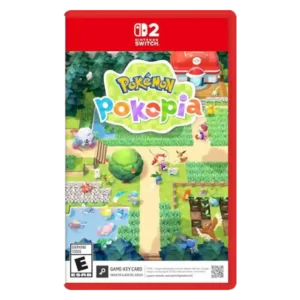
The core loop drew the strongest agreement: building habitats, helping Pokémon, gathering resources, and progressing was repeatedly called addictive and satisfying.
Pros: core gameplay loop, content variety
Cons: pacing, menu usability
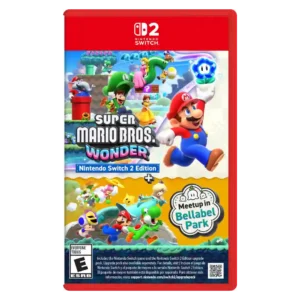
The original Wonder campaign remains the package’s biggest asset: imaginative, polished, and consistently enjoyable even years after release. The expansion adds more around it without displacing that core experience.
Pros: fun factor, multiplayer design
Cons: matchmaking quality, map and navigation design

The basic act of serving, positioning, rallying, and creating angles is the game's most dependable strength. Even several negative reviews concede that the underlying arcade tennis remains compelling.
Pros: fun factor, gameplay mechanics
Cons: tutorial quality, onboarding experience
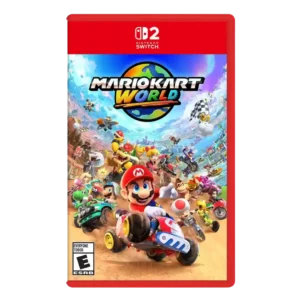
Reviewers agreed the core Mario Kart racing remains fun and strong even when they criticized the open-world wrapper around it.
Pros: content variety, soundtrack quality
Cons: open-world design, exploration quality
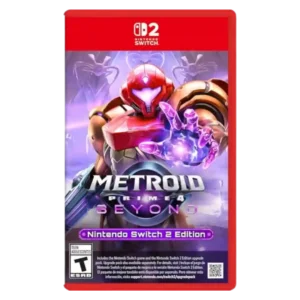
The core Prime loop still worked for supportive reviewers, but some felt it was familiar rather than transformative.
Pros: boss design, graphics quality
Cons: open-world design, side character depth
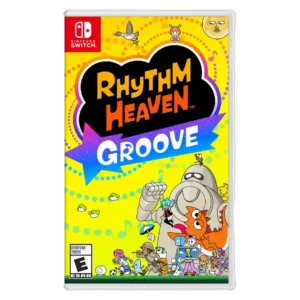
The core loop is simple and repetitive on paper, but reviewers repeatedly found the act of locking into the rhythm satisfying and compulsive.
Pros: fun factor, difficulty balance
Cons: value for money
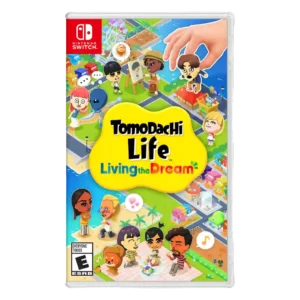
The loop of checking in, helping Miis, collecting happiness, and unlocking island features is widely seen as relaxed and satisfying, though best in short sessions.
Pros: character customization, fun factor
Cons: content variety, gameplay mechanics

Between-battle planning feeds meaningfully into combat and character growth, yet repeated routines sometimes cross into busywork.
Pros: narrative quality, fun factor
Cons: grind level, learning curve

The core loop was often described as fun, breezy, and addictive, but some reviewers found catching pressure or repetition less satisfying.
Pros: combat system, exploration quality
Cons: graphics quality, voice acting

The core loop was fun but repetitive, with several reviewers enjoying the loop while openly calling out genre repetition.
Pros: combat system, character roster
Cons: level design, mission design
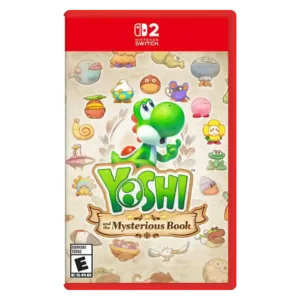
Experimenting with creatures, earning discoveries, and revisiting pages creates a rewarding feedback loop. Players who do not enjoy repeated trial-and-error or collectathon structure may find it repetitive.
Pros: art direction, exploration quality
Cons: difficulty balance, core gameplay loop

Opinions split: some found the overall loop a loose or candy-like collection of quick thrills, while negative reviews called races short or thin once the novelty faded.
Pros: battle mode quality, content variety
Cons: learning curve, competitive balance