Best for Backwards compatibility
Marshall Bromley 450
5.0 attribute score
Highest scored product for this attribute based on supporting review evidence.

Highest scored product for this attribute based on supporting review evidence.
Balances the attribute score, supporting reviews, and overall product strength.
Has the broadest review evidence for this attribute.
Strongest overall product among items with scored evidence for this attribute.
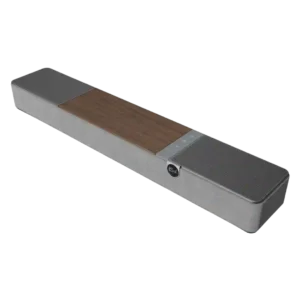
Older wired subwoofers can integrate successfully, including models that are many years old, giving the Core 100 useful backwards compatibility for existing audio gear.
Pros: Overall sound quality, Value for money
Cons: Remote control usability, Detail retrieval
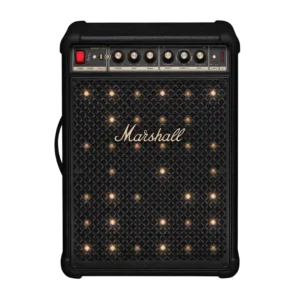
The battery is interchangeable with the Bromley 750, a cross-model convenience that was explicitly appreciated and makes spare-pack ownership more useful.
Pros: Battery life (if portable), Weight convenience
Cons: App reliability, Remote control usability
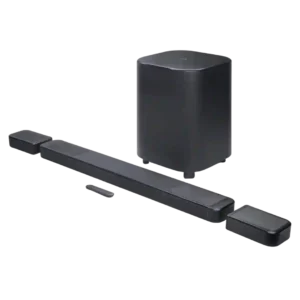
The Mk2 is viewed as a meaningful improvement over the original Bar 1300, with stronger sound, updated features and more polished modular behavior.
Pros: Rear speaker versatility, Overall product quality
Cons: Size and TV fit, Gaming HDMI passthrough

The broad mix of analog and digital inputs makes the Coda W unusually friendly to both older audio gear and current devices, which one reviewer highlighted as a key no-fuss...
Pros: Stereo imaging accuracy, Aesthetic design / Finish options
Cons: Smart features, EQ customization
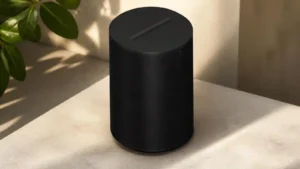
Sonos’ ability to expand across different models and generations is praised because adding the Era 100 SL does not force owners to replace existing compatible gear.
Pros: Overall satisfaction, Overall sound quality
Cons: Trueplay room tuning, Smart assistant integration (Alexa
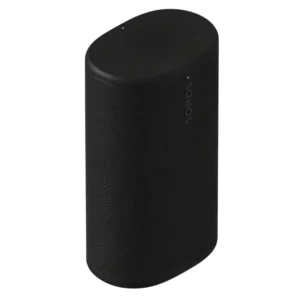
Sonos' cross-generation ecosystem is a strength, letting owners expand a system without replacing older compatible speakers.
Pros: Overall sound quality, Overall satisfaction
Cons: Price / value for money, App reliability
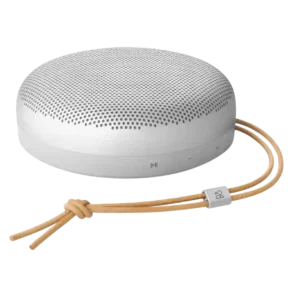
Backwards compatibility was a clear plus because multiple reviewers valued pairing the 3rd Gen with the older A1 2nd Gen.
Pros: Frequency response balance, Price / value for money
Cons: Drop resistance durability, Smart assistant integration (Alexa
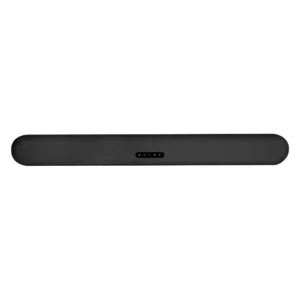
Backward compatibility was supported by praise for legacy optical and RCA input support alongside modern HDMI eARC.
Pros: Dialogue clarity (for TV/soundbar use), Subwoofer
Cons: EQ customization, AI Room Calibration
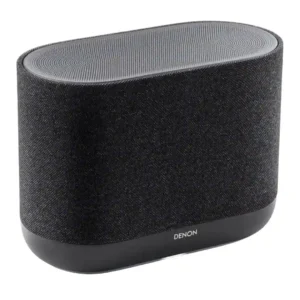
The refreshed speaker keeps working with first-generation Denon Home models, which makes system expansion feel straightforward for existing HEOS owners.
Pros: Music performance, Voice clarity
Cons: Small-room suitability, Smart assistant integration (Alexa
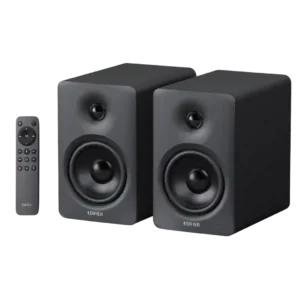
AUX and optical inputs make it easy to use turntables with preamps, older media players, and legacy televisions.
Pros: Bass performance, Value for money
Cons: On-device controls, Auto-off and standby behavior
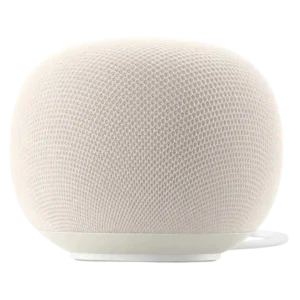
The speaker fits neatly into existing Google and Nest setups, preserving useful compatibility with older ecosystem devices.
Pros: Music performance, Voice assistant responsiveness
Cons: Value for money, Bass performance
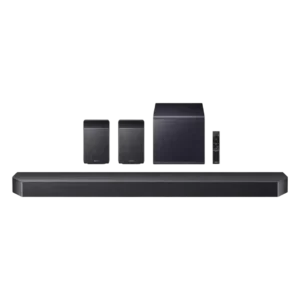
Compatibility beyond Samsung is positive in limited evidence, with one reviewer saying it works fine with non-Samsung TV products.
Pros: Value for money, Surround sound simulation
Cons: Status indicators, Wi-Fi streaming reliability

Support for older DTS and lossless disc formats keeps legacy movie collections usable.
Pros: Home theater integration, Bass performance
Cons: Value for money, Design and aesthetics
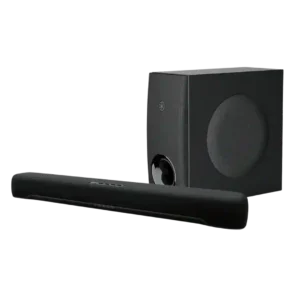
One reviewer says its connection options make it useful with older and newer TVs.
Pros: Value for money, Dialogue clarity (for TV/soundbar use)
Cons: Frequency response balance, Home theater integration
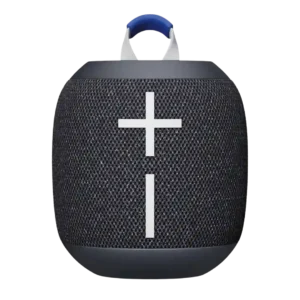
Backward and cross-generation pairing evidence was positive, with reviewers noting Wonderboom 3 and 4 units can pair for stereo sound.
Pros: Battery life (if portable), Loudness / maximum volume
Cons: EQ customization, Distortion at high volume
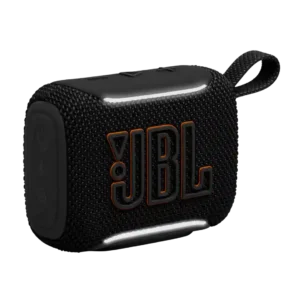
Auracast can synchronize the Go 5 with several current JBL models, including the Go 4. AirTouch stereo requires two Go 5 units, and older PartyBoost speakers are excluded.
Pros: Music performance, Battery life (if portable)
Cons: Lighting effects, Charging cable inclusion
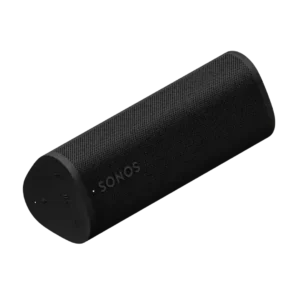
Backward compatibility was positive where mentioned, with the Roam 2 able to pair with the original Roam for stereo use.
Pros: Frequency response balance, Setup simplicity
Cons: Battery life (if portable), App reliability
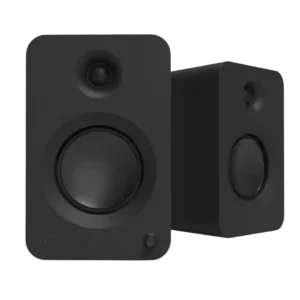
The optical legacy input was valued as a useful way to connect older devices.
Pros: Wired input, Frequency response balance
Cons: Distortion at high volume

Older TVs remain usable through the optical input, although HDMI eARC is preferred when available for the best performance.
Pros: Overall product quality, Overall sound quality
Cons: Value for money, Video passthrough support
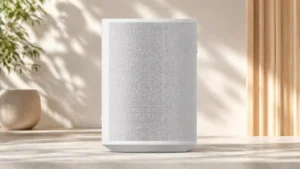
Older Sonos gear generally remains useful within the wider ecosystem, but stereo pairing has model restrictions that can complicate direct upgrades from a Sonos One.
Pros: Bass performance, Overall sound quality
Cons: Google, Wired input
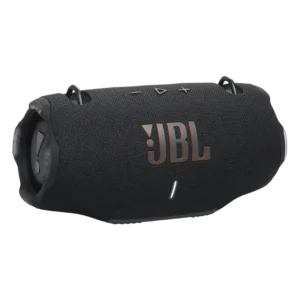
Backward compatibility evidence was mixed: one review said it fit existing JBL ecosystems, while another criticized incompatibility with Xtreme 3 direct pairing.
Pros: Frequency response balance, Battery life (if portable)
Cons: Price / value for money, Value for money
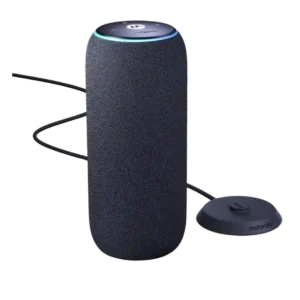
Standard Bluetooth and Wi-Fi remain useful on ordinary phones, but the most distinctive UWB features are limited by phone compatibility, especially for older Android phones and iPhones.
Pros: Design and aesthetics, Frequency response balance
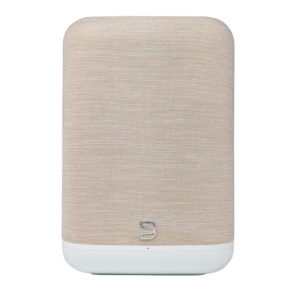
Newer iPhones worked without issue in one test, while an older iPhone 11 was noticeably less consistent with BluOS.
Pros: Design and aesthetics, Overall product quality
Cons: Bass performance, Stereo imaging accuracy
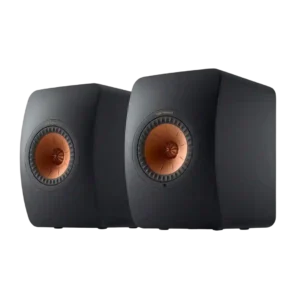
The main backwards-compatibility concern is long-term software support for earlier wireless LS50 owners and whether app support will continue.
Pros: Frequency response balance, Stereo imaging accuracy
Cons: Price, HDMI ARC

Backwards compatibility was a drawback because some older Sonos devices are not compatible with the S2-based Arc setup.
Pros: Value for money, Dolby Atmos height effects
Cons: Audio format support, Video passthrough support
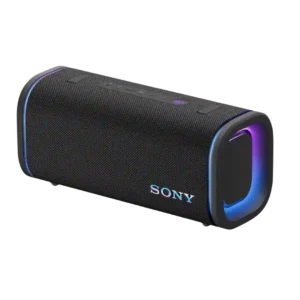
Party Connect gives the Field 5 useful Sony ecosystem support, but one reviewer calls out the inability to connect it to the ULT Field 1.
Pros: Loudness / maximum volume, Battery life (if portable)
Cons: Voice clarity, Stereo imaging accuracy
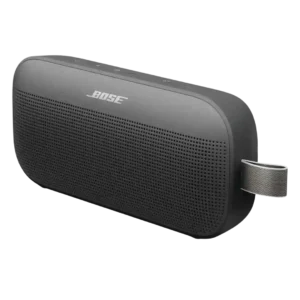
Backwards compatibility was a clear weakness because reviewers repeatedly noted that Gen 2 stereo pairing does not work with the old Flex.
Pros: Design and aesthetics, Frequency response balance
Cons: Battery life (if portable), Distortion at high volume

Backwards compatibility is a clear weakness, with reviewers repeatedly criticizing the inability to pair with older JBL PartyBoost speakers.
Pros: Frequency response balance, Price / value for money
Cons: Distortion at high volume, Backwards compatibility
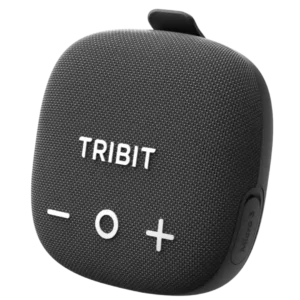
Backwards compatibility is a clear weakness because reviewers complained it cannot pair with the Micro 2 or other Tribit models.
Pros: Magnetic mounting, Frequency response balance
Cons: Backwards compatibility, Distortion at high volume
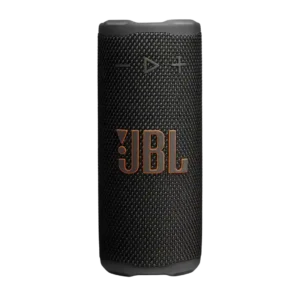
Backwards compatibility is weak because Auracast-era pairing does not work with older PartyBoost JBL models.
Pros: Frequency response balance, LED lighting effects
Cons: Float capability, Handle or strap quality
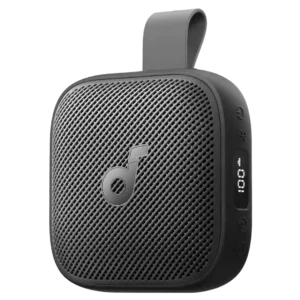
Backwards compatibility was a notable weakness because Auracast support did not help it work with older PartyCast Soundcore speakers.
Pros: Loudness / maximum volume, Drop resistance durability
Cons: Microphone, Speakerphone quality

Backwards compatibility is weak because one reviewer notes it cannot pair with older JBL PartyBoost speakers.
Pros: Handle or strap quality, EQ customization
Cons: Frequency response balance, Stereo imaging accuracy
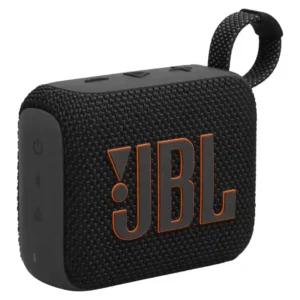
Auracast works with newer compatible JBL speakers, but it does not connect with older PartyBoost models. Owners of legacy JBL speakers may not be able to mix them into the...
Pros: Overall satisfaction, Music performance
Cons: Bluetooth connection stability, Control button responsiveness
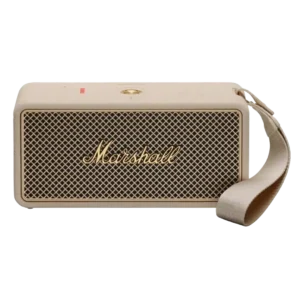
Backward compatibility is limited because the Middleton II does not wirelessly stack with the original first-generation Middleton. That is a meaningful drawback for owners hoping to reuse an older unit...
Pros: Overall sound quality, Battery life (if portable)
Cons: Price / value for money, Weight convenience
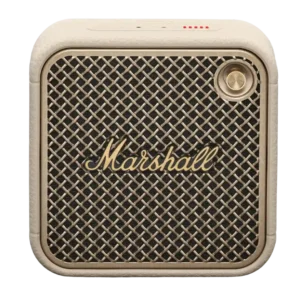
Backwards compatibility was weakly reviewed because the lack of wired audio makes the speaker less useful with older playback devices.
Pros: Design and aesthetics, Loudness / maximum volume
Cons: EQ customization, App reliability

Backwards compatibility was criticized because a Move Gen 1 cannot stereo-pair with a Move 2.
Pros: Frequency response balance, Battery life (if portable)
Cons: Price / value for money, Weight convenience
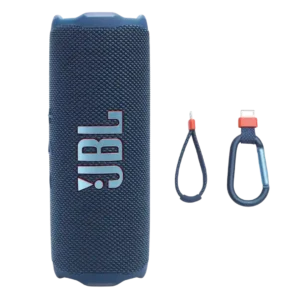
Backwards compatibility is a clear weakness because reviewers repeatedly call out that Flip 7 cannot pair with older JBL PartyBoost speakers.
Pros: Frequency response balance, Battery life (if portable)
Cons: Backwards compatibility, Stereo imaging accuracy
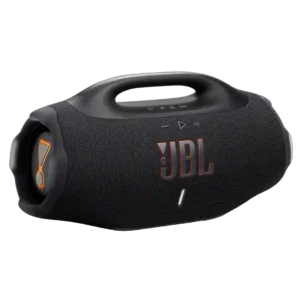
The switch from PartyBoost to Auracast is a recurring ecosystem drawback. Owners of older JBL PartyBoost speakers generally cannot pair them with the Boombox 4, so upgrading can break an...
Pros: Overall satisfaction, Overall sound quality
Cons: Energy efficiency, Microphone

Backwards compatibility is a clear weakness because Xtreme 5 loses older PartyBoost pairing that Xtreme 4 supported.
Pros: Frequency response balance, Loudness / maximum volume
Cons: Weight convenience, Lighting effects
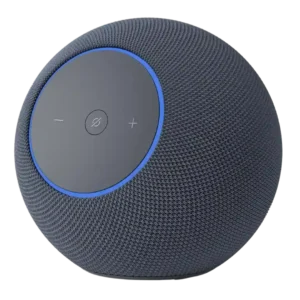
Compatibility with older Echo setups is not seamless in every case. Owners report pairing or grouping behavior that makes the new Studio feel less interchangeable with previous generations than expected.
Pros: Overall sound quality, Design and aesthetics
Cons: Value for money, Overall product quality
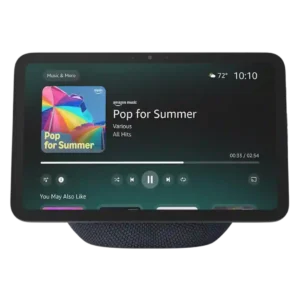
Accessory compatibility takes a hit: a detailed report says the prior model’s stand and power adapter do not fit or work with this generation.
Pros: Overall product quality, Smart features
Cons: Privacy and data, On-device controls
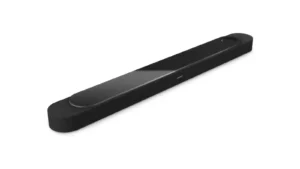
Backward compatibility is poor: older Bose wireless surrounds and subwoofers generally cannot join the new Lifestyle system, with only limited wired exceptions.
Pros: Design and aesthetics, Overall sound quality
Cons: Value for money, App reliability
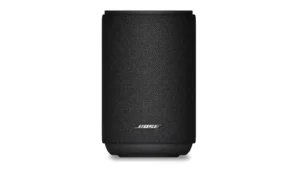
The new Lifestyle Ultra ecosystem does not work with Bose's older soundbars and related home-audio hardware. Reviewers repeatedly criticized this clean break in compatibility as a frustrating limitation for existing...
Pros: Overall sound quality, Design and aesthetics
Cons: Multi-speaker pairing reliability, Smart features