#1
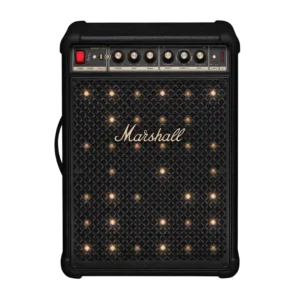
The battery is interchangeable with the Bromley 750, a cross-model convenience that was explicitly appreciated and makes spare-pack ownership more useful.
Pros: Battery life (if portable), Weight convenience
Cons: App reliability, Remote control usability
#2
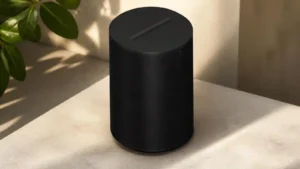
Sonos’ ability to expand across different models and generations is praised because adding the Era 100 SL does not force owners to replace existing compatible gear.
Pros: Overall satisfaction, Overall sound quality
Cons: Trueplay room tuning, Smart assistant integration (Alexa
#3
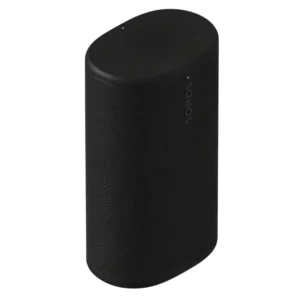
Sonos' cross-generation ecosystem is a strength, letting owners expand a system without replacing older compatible speakers.
Pros: Overall sound quality, Overall satisfaction
Cons: Price / value for money, App reliability
#4
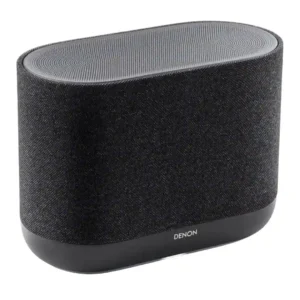
The refreshed speaker keeps working with first-generation Denon Home models, which makes system expansion feel straightforward for existing HEOS owners.
Pros: Music performance, Voice clarity
Cons: Small-room suitability, Smart assistant integration (Alexa
#5
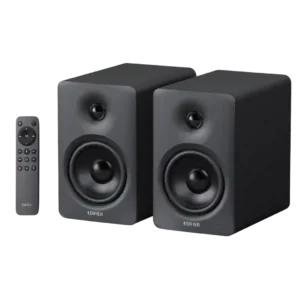
AUX and optical inputs make it easy to use turntables with preamps, older media players, and legacy televisions.
Pros: Bass performance, Value for money
Cons: On-device controls, Auto-off and standby behavior
#6
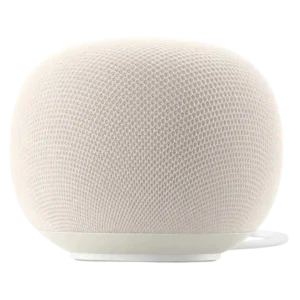
The speaker fits neatly into existing Google and Nest setups, preserving useful compatibility with older ecosystem devices.
Pros: Music performance, Voice assistant responsiveness
Cons: Value for money, Bass performance
#7

Support for older DTS and lossless disc formats keeps legacy movie collections usable.
Pros: Home theater integration, Bass performance
Cons: Value for money, Design and aesthetics
#8

Auracast can synchronize the Go 5 with several current JBL models, including the Go 4. AirTouch stereo requires two Go 5 units, and older PartyBoost speakers are excluded.
Pros: Music performance, Battery life (if portable)
Cons: Lighting effects, Charging cable inclusion
#9
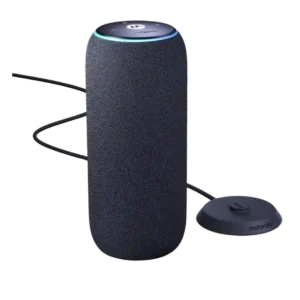
Standard Bluetooth and Wi-Fi remain useful on ordinary phones, but the most distinctive UWB features are limited by phone compatibility, especially for older Android phones and iPhones.
Pros: Design and aesthetics, Frequency response balance
#10
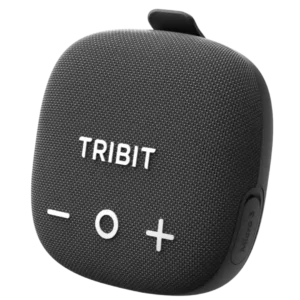
Backwards compatibility is a clear weakness because reviewers complained it cannot pair with the Micro 2 or other Tribit models.
Pros: Magnetic mounting, Frequency response balance
Cons: Backwards compatibility, Distortion at high volume
#11
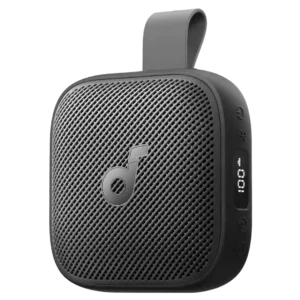
Backwards compatibility was a notable weakness because Auracast support did not help it work with older PartyCast Soundcore speakers.
Pros: Loudness / maximum volume, Drop resistance durability
Cons: Microphone, Speakerphone quality
#12

Backwards compatibility is a clear weakness because Xtreme 5 loses older PartyBoost pairing that Xtreme 4 supported.
Pros: Frequency response balance, Loudness / maximum volume
Cons: Weight convenience, Lighting effects
#13
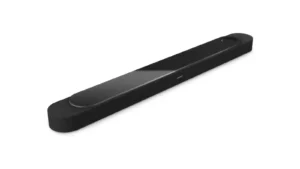
Backward compatibility is poor: older Bose wireless surrounds and subwoofers generally cannot join the new Lifestyle system, with only limited wired exceptions.
Pros: Design and aesthetics, Overall sound quality
Cons: Value for money, App reliability
#14
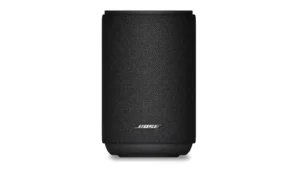
The new Lifestyle Ultra ecosystem does not work with Bose's older soundbars and related home-audio hardware. Reviewers repeatedly criticized this clean break in compatibility as a frustrating limitation for existing...
Pros: Overall sound quality, Design and aesthetics
Cons: Multi-speaker pairing reliability, Smart features
