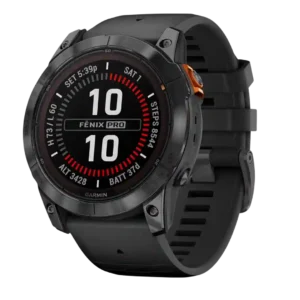
Touchscreen responsiveness was praised as responsive and usable even in wet conditions, while buttons remained preferred for some outdoor use.
Pros: battery life, mapping and navigation
Cons: value for money, score tracking

Touchscreen responsiveness was praised as responsive and usable even in wet conditions, while buttons remained preferred for some outdoor use.
Pros: battery life, mapping and navigation
Cons: value for money, score tracking
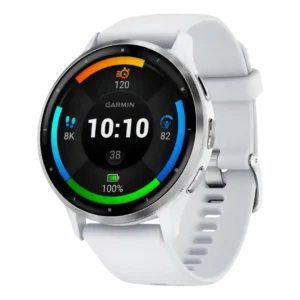
Touchscreen responsiveness is mostly strong, especially in dry conditions and normal navigation, though wet conditions can cause issues.
Pros: battery life, GPS accuracy
Cons: smartwatch features, smartphone notifications
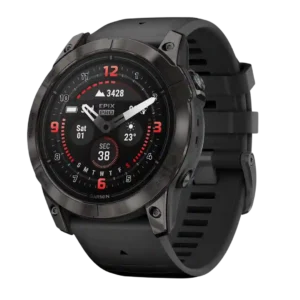
Touchscreen responsiveness is strong, with reviewers calling it responsive, precise, and usable in wet conditions with minor caveats.
Pros: battery life, GPS accuracy
Cons: user interface, fit
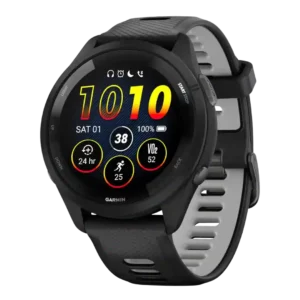
Touchscreen responsiveness was generally good, including in rain and sweat, but several reviewers still preferred buttons during workouts.
Pros: battery life, value for money
Cons: mapping and navigation, smartwatch features
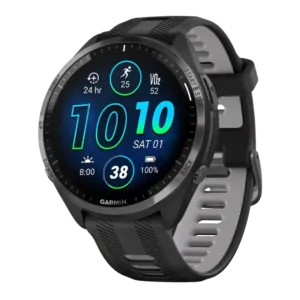
Touch controls were useful and optional, with reviewers appreciating that buttons can replace touch during workouts.
Pros: battery life, GPS accuracy
Cons: smartwatch features, charging convenience
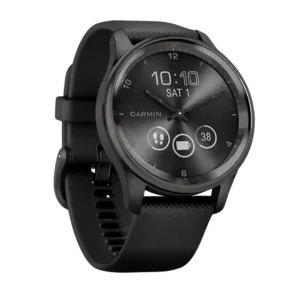
Touchscreen responsiveness split reviewers: several found it excellent during workouts, while others reported missed taps, finicky gestures, or lag.
Pros: style and design, charging convenience
Cons: battery life, charging speed
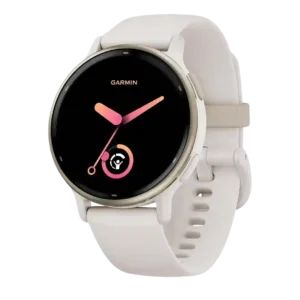
Touchscreen responsiveness was mostly good in dry use, but wet use and one owner’s lag complaints created a mixed picture.
Pros: value for money, GPS accuracy
Cons: sleep tracking accuracy, recovery insights
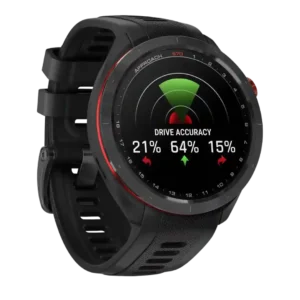
Touchscreen responsiveness is mixed, ranging from nice and responsive to fiddly and frustrating on course.
Pros: display quality, value for money
Cons: charging convenience, smartphone notifications