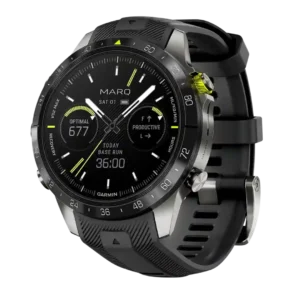
Fitness tracking accuracy was a major strength across running, golf, swimming, indoor training, and broader performance data.
Pros: display quality, battery life
Cons: value for money, smartphone notifications

Fitness tracking accuracy was a major strength across running, golf, swimming, indoor training, and broader performance data.
Pros: display quality, battery life
Cons: value for money, smartphone notifications
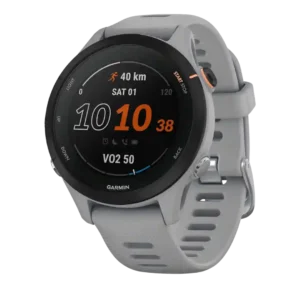
Fitness tracking accuracy was a consistent strength, with reviewers praising run, workout, and training data as accurate and useful across several use cases.
Pros: value for money, battery life
Cons: menu navigation, user interface
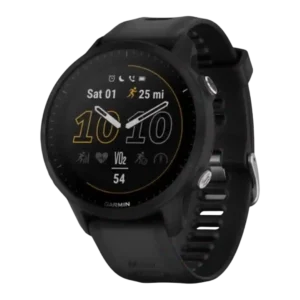
Fitness tracking accuracy was broadly strong across GPS workouts, activity data, calories, and sport sessions, though strength tracking could be occasionally glitchy.
Pros: GPS accuracy, battery life
Cons: onboard music storage, charging convenience
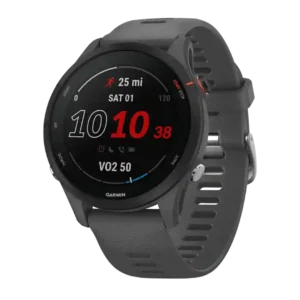
Fitness tracking accuracy was supported by one reviewer who found the device respectable across demanding sports testing.
Pros: GPS accuracy, battery life
Cons: smartphone notifications, mapping and navigation
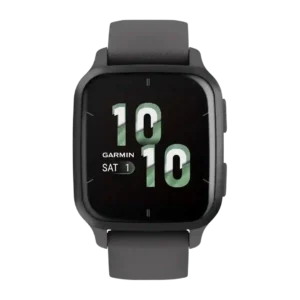
Fitness tracking accuracy was generally positive, especially for workouts and core exercise metrics, though one review described the overall tracking experience as merely decent.
Pros: battery life, display quality
Cons: smartwatch features, style and design
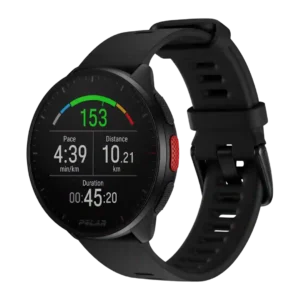
Fitness tracking accuracy is mostly positive, with reviewers saying the watch nails the basics and delivers good core tracking, though one first-run test remained only okay.
Pros: value for money, workout tracking variety
Cons: GPS accuracy, mapping and navigation
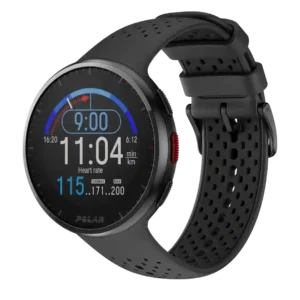
Fitness tracking accuracy was generally positive for workout metrics, but the walking/VO2-style testing drew criticism from one reviewer and mixed scientific testing lowered confidence.
Pros: GPS accuracy, value for money
Cons: battery life, smartwatch features
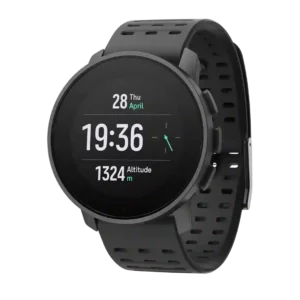
Core fitness tracking generally worked well for sports data and running power, though reviewers still noted that the broader sports experience could be held back by software or sensor issues.
Pros: battery life, GPS accuracy
Cons: value for money, mapping and navigation
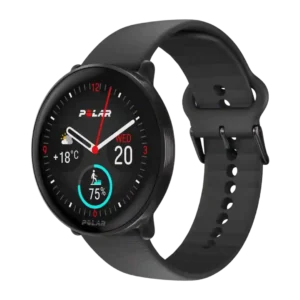
Fitness tracking accuracy was generally solid for workouts and overall tracking, though some reviewers kept caveats around GPS and heart-rate consistency.
Pros: display quality, coaching features
Cons: value for money, battery life
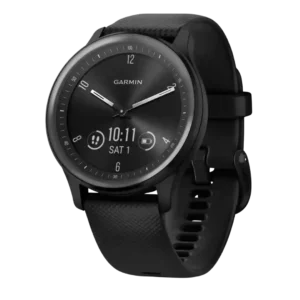
Fitness tracking is best for basic and casual use: several reviewers found useful or close-enough data, but accuracy dropped without GPS or during tougher workouts.
Pros: value for money, style and design
Cons: battery life, display quality
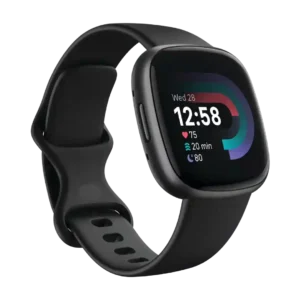
Overall fitness tracking was seen as good enough for casual use, with solid distance and general activity tracking, but not top-tier for serious training.
Pros: battery life, GPS accuracy
Cons: value for money, heart rate accuracy
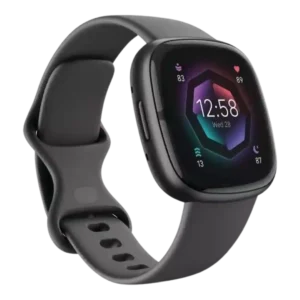
Fitness tracking accuracy is mixed: some reviewers call it a solid activity tracker, while others report weak GPS or heart-rate performance during demanding workouts.
Pros: battery life, stress tracking
Cons: value for money, GPS accuracy
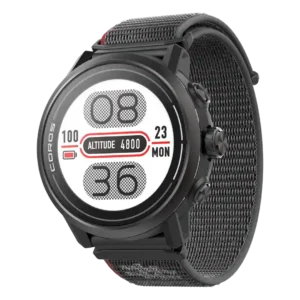
Workout tracking was generally considered capable for runs and everyday training, but strength-training rep tracking and some accuracy fundamentals drew criticism.
Pros: value for money, GPS accuracy
Cons: mapping and navigation, onboard music storage
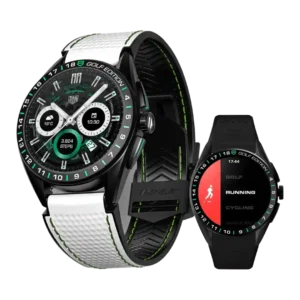
Fitness accuracy is acceptable for casual basics, but reviewers repeatedly said it falls short of dedicated sports watches and serious tracking.
Pros: style and design, battery life
Cons: value for money, heart rate accuracy