#1
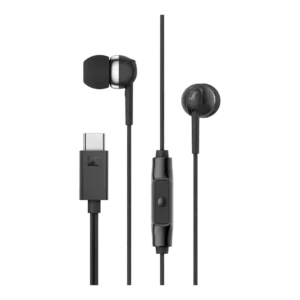
Reviewers successfully used the earbuds across phones, tablets, and laptops, praising the USB-C connection for broad modern-device compatibility. Cross-device use is one of the product's clearest convenience advantages.
Pros: Sound quality, Eartips fit
Cons: Overall satisfaction, Bass performance
#2
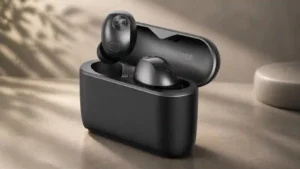
Cross-platform support is a strength, with iOS compatibility alongside richer codec options on compatible Android devices. Reviewers see the Sennheiser as more platform-flexible than ecosystem-locked alternatives.
Pros: User-replaceable batteries, Overall satisfaction
Cons: Auracast support, Sensors
#3
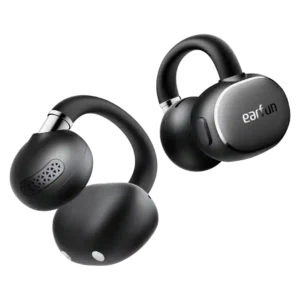
The earbuds work well across iPhone, Mac, Android, and computers, with smooth playback and calls on multiple platforms.
Pros: Overall satisfaction, Sound quality
Cons: Maximum volume clarity, Noise isolation (passive)
#4
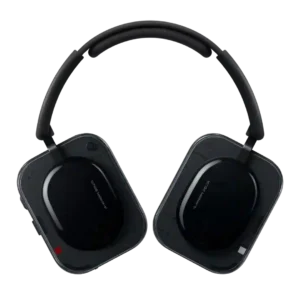
The feature set works well across Android and iPhone, making the headphones a strong cross-platform option rather than a single-ecosystem accessory.
Pros: Battery, Active noise cancellation
Cons: Bass performance, Carry case quality
#5
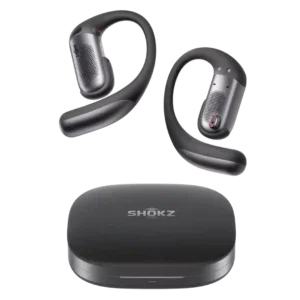
The earbuds work well across iPhone, Android, Windows PCs, and other Bluetooth devices, making them practical for mixed-device routines.
Pros: Sound quality, Comfort during long use
Cons: Value for money, Volume output
#6
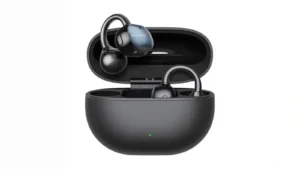
Reviewers connected the UU2 successfully across phones and computers, making it a practical cross-platform option for mixed-device use.
Pros: Overall satisfaction, Sound quality
Cons: Spatial audio
#7
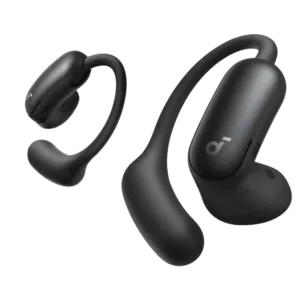
One reviewer praised the ability to use two Bluetooth devices across ecosystems, making phone-and-PC switching practical. Broader platform-specific testing is limited.
Pros: Overall satisfaction, Sound quality
Cons: Active noise cancellation, Carry case quality
#8
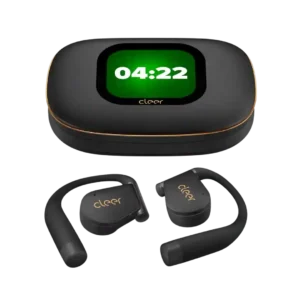
The ARC 5 works across iPhone, Android, computers, and other Bluetooth sources. Reviewers valued the flexibility for switching between work, entertainment, and mobile devices.
Pros: Overall satisfaction, Carry case quality
#9
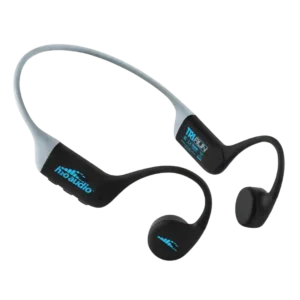
The headset paired successfully with iPhone, Samsung, Garmin, and Amazfit devices. That broad compatibility makes it practical across phones and fitness watches.
Pros: Comfort during long use, Stability
Cons: Sound quality, Overall satisfaction
#10
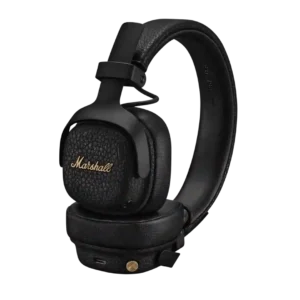
Pairing and playback work smoothly across phones, tablets, laptops, iOS, and Android, making the Milton easy to move between daily devices.
Pros: Overall recommendation, Battery
Cons: Wear detection auto-pause, Noise isolation (passive)
#11
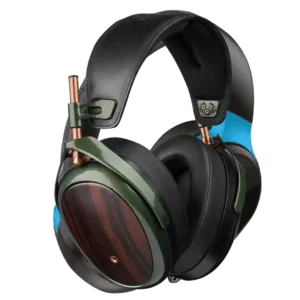
Standard analog connections let the Strada work easily across computers, home audio gear, consoles, and handheld gaming devices.
Pros: Bass performance, Design and Aesthetics
Cons: Headband adjustability
#12
The Pro handled mixed-platform use cleanly, including an Android phone and MacBook connected at the same time.
Pros: Active noise cancellation, Overall recommendation
Cons: Carry case quality, Value for money
#13
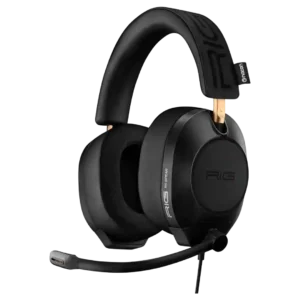
Multi-platform support was strong where tested or assessed, especially for moving among PC, console, and mobile use.
Pros: Sound quality, Value for money
Cons: Button control usability, Dongle
#14
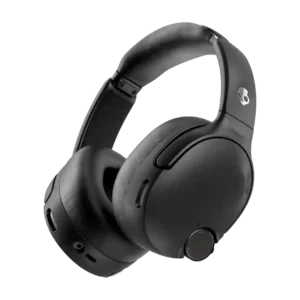
The headphones work across Android and iPhone and can keep both connected simultaneously. This makes switching between mobile ecosystems or a phone and computer painless.
Pros: Value for money, Bass performance
Cons: Weight comfort, Frequency response accuracy
#15

Three connector options make the Scoop unusually flexible across phones, computers, studio decks, portable players, and higher-end hi-fi equipment.
Pros: Value for money, Multi-platform compatibility
#16

Cross-platform compatibility is one of the 360’s best practical advantages, delivering a near-first-class experience on both iOS and Android.
Pros: Overall recommendation, Replaceable pads/headband
Cons: 3.5mm analog input availability, Travel friendliness
#17
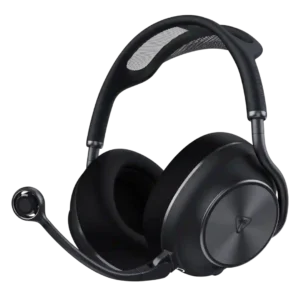
The Xbox version works across Xbox, PlayStation, PC, Switch, and mobile, making it the safest all-platform purchase. The PC/PlayStation version is similarly flexible except for its complete lack of Xbox...
Pros: Overall satisfaction, Sound quality
Cons: Weight comfort, Stability
#18
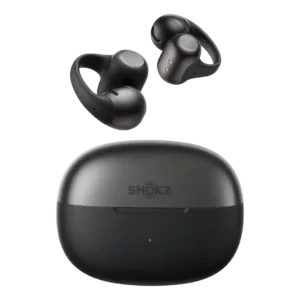
Cross-platform use worked well in the test that paired an Android phone and iPhone together. Feedback is limited, but the multipoint experience looked smooth across platforms.
Pros: Overall satisfaction, Sound quality
Cons: Value for money, Noise isolation (passive)
#19

Multi-platform compatibility is positive, with support framed around phones, laptops and vintage audio setups.
Pros: Design and Aesthetics, Built-in DAC and hi-res playback
#20
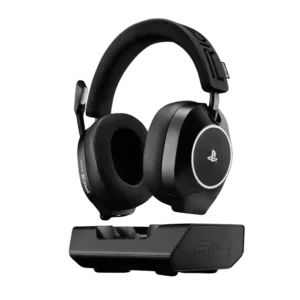
Multi-platform compatibility was a strong point for PC, console, Bluetooth, mobile, and optional dongles, though not every console is covered by one box.
Pros: Sound quality, Included stand quality
Cons: Detachable microphone convenience
#21
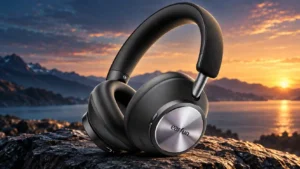
The varied wired and wireless paths work well across phones and computers, with a favorable Nintendo Switch demonstration. Codec availability still depends on the source device.
Pros: Comfort during long use, Ear cup padding quality
Cons: Frequency response accuracy, Treble clarity
#22
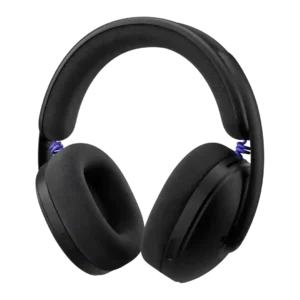
Multi-platform compatibility was a consistent strength, with reviewers highlighting easy use across consoles, PC, and other devices.
Pros: Comfort during long use, Design and Aesthetics
Cons: Build quality, Microphone
#23
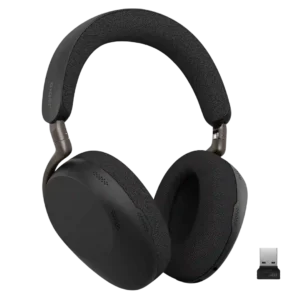
The UC version works well for people moving across Teams, Meet, Zoom, and other work platforms instead of staying locked to one service.
Pros: Battery, Charging
Cons: Value for money, Codec support
#24
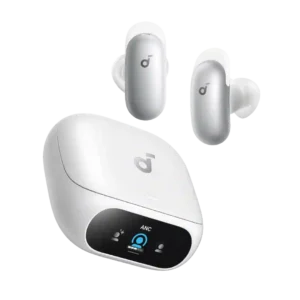
Multi-platform use is mostly positive. Users mention easy movement across phones, PCs, tablets, Macs, and Android devices, with iPhone integration as the main weak point.
Pros: Sound quality, Microphone quality for calls
Cons: Battery, Bluetooth
#25

Pairing and switching work well across smartphones, tablets, laptops, and even Linux systems, making the headphones easy to share between platforms.
Pros: Overall recommendation, Active noise cancellation
Cons: Bass performance, Clamping force comfort
#26
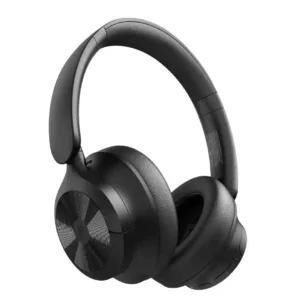
Basic SBC/AAC playback worked reliably across devices, making the A1 Pro broadly compatible even without premium codec support.
Pros: Comfort during long use, Sound quality
Cons: Button control usability, Codec support
#27
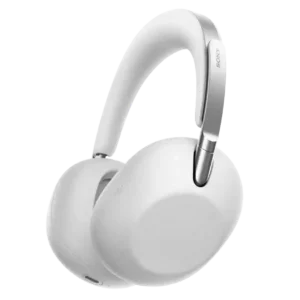
The headphones preserve most features across Android, iOS, and other devices, avoiding the restrictions of Apple-focused competitors.
Pros: Comfort during long use, Premium feel
Cons: Battery, Value for money
#28
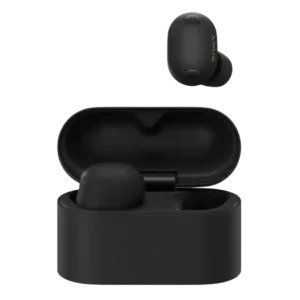
Multi-platform compatibility was praised where discussed, especially Sony supporting both iOS and Android rather than locking features to one ecosystem.
Pros: Active noise cancellation, Sound quality
Cons: Spatial audio, Ear tip size options
#29
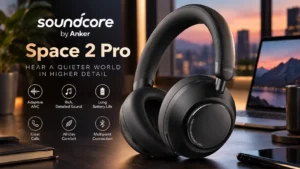
A tested handoff between Android and iOS devices works smoothly without unusual switching problems.
Pros: Active noise cancellation, Sound quality
Cons: Carry case quality, Included accessories
#30
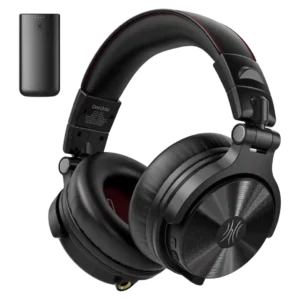
Platform compatibility was praised for covering mixers, gaming PCs, smartphones, iPhones, Android devices and studio equipment.
Pros: Overall recommendation, Comfort during long use
Cons: Sound quality, Frequency response accuracy
#31
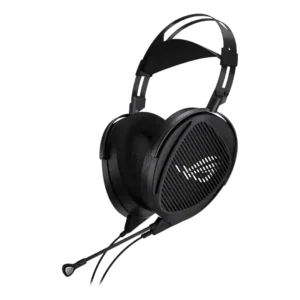
PC, PlayStation, Switch, phones, and DAC setups are broadly supported, but the required cable or adapter changes by device. Console microphone support is the main complication.
Pros: Overall satisfaction, Sound quality
Cons: Microphone, Headband adjustability
#32
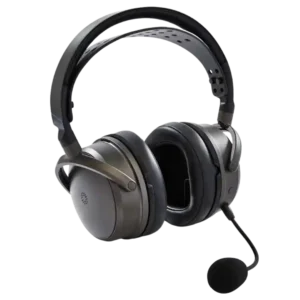
PC, PlayStation, Switch, Mac, and mobile coverage is broad, with the correct console model extending support to Xbox or PlayStation. Moving between devices is generally easy once the connection method...
Pros: Overall satisfaction, Sound quality
Cons: Weight comfort, Comfort during long use
#33
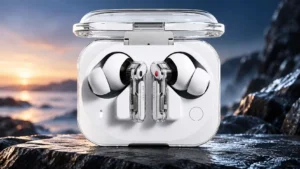
Pairing across Android, iOS, computers, and a TV receives favorable reports. Some platform-specific customization differences remain, so the experience is not identical on every device.
Pros: Overall satisfaction, Value for money
Cons: AI transcription and summaries, Spatial audio
#34
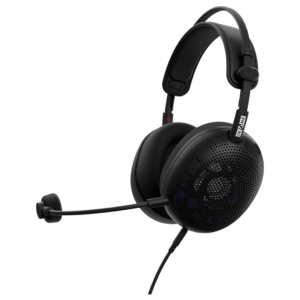
Multi-platform compatibility was strong across PC, Mac, PlayStation, mobile, Xbox, and Switch use cases in reviewer testing.
Pros: Sound quality, Microphone
Cons: Microphone noise reduction, Spatial audio
#35
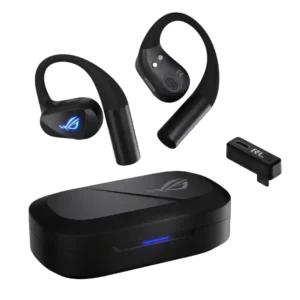
The dongle works across a wide range of PCs, handhelds, phones, and consoles, but platform-specific quirks appear on Steam Deck, Mac, and PS5 in some reviews.
Pros: Overall satisfaction, Sound quality
Cons: Value for money, Bass performance
#36
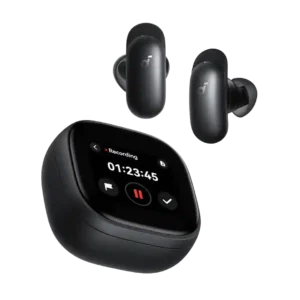
Apple users get good AAC sound and stable connectivity, but not AirPods-style automatic switching. The Pro Max works well across Apple devices while still feeling less integrated than Apple’s own...
Pros: Overall satisfaction, Active noise cancellation
Cons: Value for money, AI transcription and summaries
#37

Multi-platform support was mixed because iPhone users still get AAC and app features but miss LDAC.
Pros: Battery, Active noise cancellation
Cons: Transparency mode quality, Carry case quality
