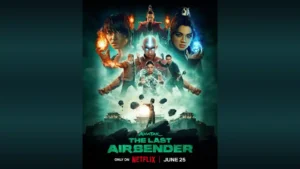
The orchestral score is a consistent standout, praised for enlarging action while giving quieter scenes melancholy and emotional lift.
Pros: character development, action quality
Cons: faithfulness to source material, season pacing

The orchestral score is a consistent standout, praised for enlarging action while giving quieter scenes melancholy and emotional lift.
Pros: character development, action quality
Cons: faithfulness to source material, season pacing

The musical accompaniment is praised for fitting the adventure and adding energy without dominating the scenes.
Pros: entertainment value, lead performance
Cons: mystery quality, pacing
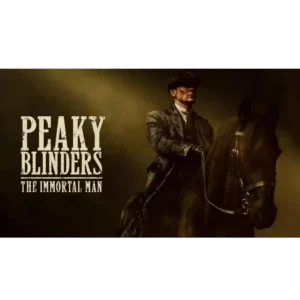
The score is repeatedly praised for building dread, atmosphere, and intensity, especially as Tommy’s return pushes the film toward its climax.
Pros: ending satisfaction, faithfulness to source material
Cons: story quality, pacing

Colin Stetson’s tense, unconventional music is a standout technical strength, praised for sustaining dread without overpowering the atmosphere.
Pros: acting performance, scares
Cons: entertainment value, character development
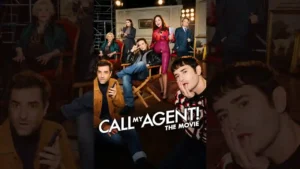
A soaring, cinematic treatment of the familiar theme makes the score feel bigger while remaining recognizable.
Pros: celebrity cameos, humor
Cons: pacing, ensemble balance
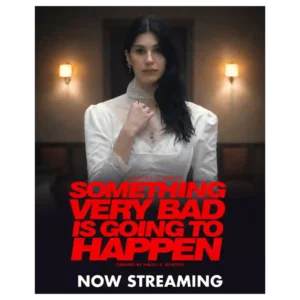
Colin Stetson’s ominous music intensifies dread without overwhelming the story, and the recurring musical motifs become part of the show’s identity.
Pros: suspense, theme depth
Cons: season pacing, story quality
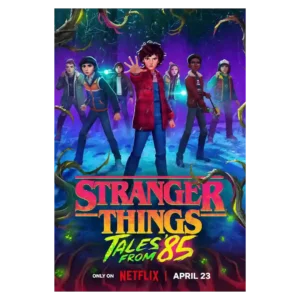
Brad Breeck’s score successfully carries over the synth-driven feeling of the main series while adding enough new material to give the spin-off its own sound.
Pros: entertainment value, animation quality
Cons: spin-off quality, acting quality

The recurring friendship theme is designed to connect emotional scenes and, according to the composer, gives the score cohesion without competing with the many songs.
Pros: dance choreography, cultural representation
Cons: plot originality, romance quality
The score was praised for sounding like it belongs in an 1980s Spielberg-style adventure. That musical throwback supports the show’s nostalgic sci-fi tone.
Pros: entertainment value, acting quality
Cons: episode pacing, plot originality
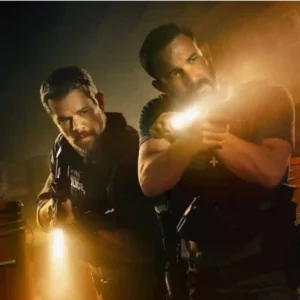
The pulsing, glowering score is a consistent technical strength, amplifying dread and keeping momentum alive through quieter stretches. Even a more skeptical review still finds it propulsive.
Pros: suspense, entertainment value
Cons: action sequences, ending satisfaction
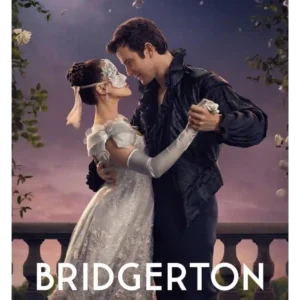
The string-led scoring continues to heighten yearning and melodrama, though the music is sometimes treated as part of the show’s familiar formula.
Pros: entertainment value, story quality
Cons: plot originality, writing quality

Mark Korven's eerie music substantially strengthens the coastal unease. It is a common technical highlight, though the premiere makes less impression on one listener.
Pros: entertainment value, main cast performance
Cons: writing quality, season pacing

The restrained use of music during Cameron’s death strengthens the scene instead of forcing an emotional response.
Pros: audience appeal, drama quality
Cons: story quality, character development
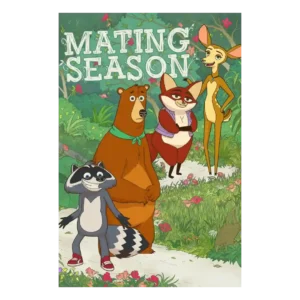
The score receives limited but positive notice. It is not a major talking point, but one viewer specifically calls it quite good.
Pros: cast chemistry, acting quality
Cons: humor, character development

The score is used effectively to intensify tense scenes, with one review highlighting its droning presence under volatile action.
Pros: story quality, renewal interest
Cons: season pacing, plot clarity

The score is mostly praised, especially in one review that calls it among the year’s most memorable. Another finds the background cues a bit on the nose, so the reaction...
Pros: special effects quality, story quality
Cons: season pacing, drama quality

Laura Karpman’s score is often praised as lush, expressive, and integral to the period mood, but a few critics find the mournful strings overbearing. It is a noticeable, sometimes polarizing...
Pros: main cast performance, story quality
Cons: character balance, episode pacing
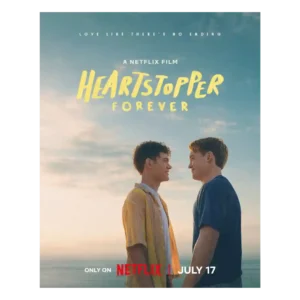
The score generally supports the emotion, but some critics found it overly insistent, twee, or prone to emphasizing feelings the actors already communicate.
Pros: ending satisfaction, cultural representation
Cons: supporting cast performance, pacing
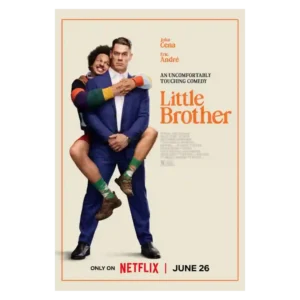
The musical score is serviceable but leaves little memorable impression. It rarely stands out from the rest of the production.
Pros: acting performance, chemistry between characters
Cons: humor, entertainment value
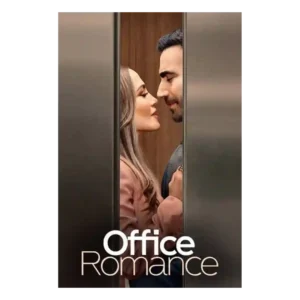
The music supports the throwback mood, though the original score is sometimes judged overly corny.
Pros: supporting cast performance, lead performance
Cons: chemistry between characters, humor
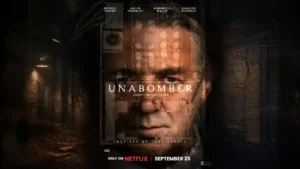
The music draws sharply mixed reactions. One source praises Marco Beltrami’s score as memorable and intense, while others call it generic, intrusive, or ineffective at building menace.
Pros: acting performance, lead performance
Cons: story quality, suspense

The grandiose campaign music is treated as a heavy-handed attempt to establish the protagonist’s decency.
Pros: supporting cast performance, casting quality
Cons: entertainment value, screenplay quality
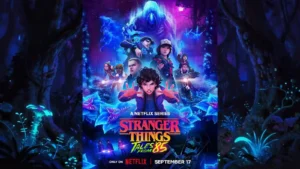
A generic synth-heavy score is criticized as a poor substitute for the more distinctive musical identity expected from Stranger Things.
Pros: animation quality, acting quality
Cons: story quality, character development

One review found the score actively mismatched to the dialogue, saying it undercut scenes instead of reinforcing their intended emotion.
Pros: main cast performance, theme depth
Cons: story quality, character development
One critic says the piano-led emotional scoring feels aggressively manipulative rather than moving.
Pros: main cast performance, episode length
Cons: humor, emotional impact
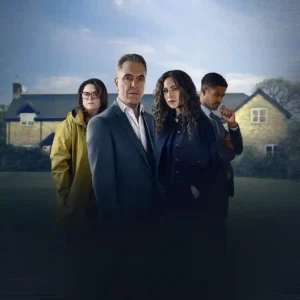
The musical score receives little direct discussion, but one strongly negative viewer comment calls the music amateurish.
Pros: entertainment value, story quality
Cons: plot clarity, finale satisfaction