Best for LGBTQ+ representation
Give Me the Ball!
5.0 attribute score
Highest scored product for this attribute based on supporting review evidence.

Highest scored product for this attribute based on supporting review evidence.
Balances the attribute score, supporting reviews, and overall product strength.
Has the broadest review evidence for this attribute.
Strongest overall product among items with scored evidence for this attribute.

Overall: 4.8/5
King’s evolving self-understanding and the personal consequences of being outed are handled with care. Her experiences connect private vulnerability to the larger fight for acceptance.
Pros: entertainment value, Biographical coverage
Cons: Narrative structure
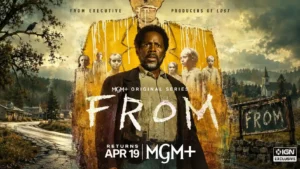
Overall: 3.4/5
Kristi and Marielle’s relationship is treated with warmth and dignity, culminating in an affecting farewell.
Pros: character development, emotional impact
Cons: mystery payoff, season pacing

Overall: 4.1/5
Anya and Elise’s attraction, denial and emotional damage are central rather than subtext, and the portrayal of queer repression receives widespread praise.
Pros: theme depth, acting performance
Cons: season pacing, ending satisfaction

Overall: 4.8/5
Minnie’s new attraction to Kat emerges gently as part of growing up, without turning coming out into an oversized dramatic obstacle.
Pros: Grief portrayal, acting performance
Cons: pacing

Overall: 4.2/5
Warmth, gallows humor and tensions over coming out help make its depiction of queer life specific rather than generic.
Pros: acting performance, lead performance
Cons: editing quality, directing quality

Overall: 3.6/5
The frank treatment of persecution and Valerie’s love story give the freedom theme personal weight. Her story is especially important to Evey’s awakening.
Pros: acting performance, lead performance
Cons: message quality, faithfulness to source material

Overall: 4.6/5
The portrait gives lesbian lives and queer artistic history an affirming, visible place on screen. It powerfully connects personal expression with the value of community representation.
Pros: directing quality, archival footage quality
Cons: Biographical coverage

Overall: 4.5/5
Oliver’s queer identity and enduring relationship receive warm, respectful attention. The portrait values her authentic life without treating activism as a requirement for significance.
Pros: directing quality, interview quality

Overall: 4.4/5
The queer community is portrayed with affection, specificity, and room for imperfection. Its members offer real support without the film pretending that every part of their shared nightlife is healthy.
Pros: emotional impact, directing quality
Cons: romance quality, character screen time

Overall: 4.3/5
Jae and Datu’s visible relationship is widely welcomed as a natural expansion of the world’s representation. One critic still finds the pace of explicit visibility frustratingly slow.
Pros: visual style, suspense
Cons: episode pacing, season pacing

Overall: 3.9/5
The protest coalition includes disabled LGBTQ+ participants rather than treating the movement as a single, uniform community.
Pros: lead performance, character development
Cons: writing quality, sentimental treatment

Overall: 2.9/5
Liz is praised as a relatable queer character rather than a stock figure, and the Liz–Kimberly relationship adds appealing chemistry.
Pros: main cast performance, Family relationships
Cons: originality, nostalgia appeal

Overall: 4.1/5
The film is celebrated for recovering queer history, affirming desire and showing lives beyond their persecution. Critics challenge its reliance on martyrdom, familiar clichés and a narrow view of queer...
Pros: celebrity cameos, emotional impact
Cons: pacing, character development

Overall: 4.3/5
One discussion finds a compelling queer-coded layer in Billy and Stu’s closeness. That reading adds a hidden dimension to their relationship and the climax.
Pros: Meta-horror satire, suspense
Cons: Slasher kill execution, romance quality
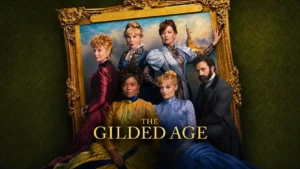
Overall: 4.3/5
The unspoken recognition around Oscar’s sexuality gives the marriage arrangement and family exchanges a valued layer of subtext.
Pros: entertainment value, character development
Cons: romance quality, ensemble balance

Overall: 4.2/5
The basketmaker’s queer coding adds another dimension to his outsider status. That connection strengthens the film’s broader acceptance of unconventional relationships.
Pros: humor, romance quality
Cons: character screen time, runtime

Overall: 3.8/5
Taissa and Van's relationship remains an emotionally meaningful thread, even as their wider circumstances grow harsh and complicated.
Pros: setting shift execution, character development
Cons: Adult timeline storytelling, story quality

Overall: 3.8/5
The girls’ developing bond is praised for acceptance and emotional power. Other assessments object either to queer-coded institutional villains or, from a conservative perspective, to some of the queer dialogue.
Pros: theme depth, lead performance
Cons: message quality, character development

Overall: 4.3/5
Queer identities emerge through looks, gestures, and implication rather than exposition. Some appreciate the subtlety, while others feel important sources of character tension are left unexplored.
Pros: acting performance, lead performance
Cons: plot clarity, entertainment value

Overall: 3.5/5
The handling of sexuality divides opinion: one account appreciates its integration with identity themes, while another objects that a story about a queer figure remains heavily heterosexual.
Pros: acting performance, lead performance
Cons: pacing, writing quality

Overall: 3.3/5
Hints of queer subtext accompany Billie’s search for belonging, but the idea is not developed much.
Pros: supporting cast performance, visual style
Cons: originality, villain quality

Overall: 3.9/5
The close James-and-Henry bond inspires a romantic reading for some, but one viewer wished the movie had made that possibility explicit.
Pros: humor, classic cinema references
Cons: story quality, pacing

Overall: 3.7/5
Ruth's same-sex relationship is visible but given little dramatic attention. One assessment wishes this part of her life had received space instead of less consequential subplots.
Pros: entertainment value, main cast performance
Cons: writing quality, season pacing

Overall: 3.9/5
The inclusive spiritual message sits uneasily alongside gay-panic jokes that have aged poorly.
Pros: Religious messaging, theme depth
Cons: directing quality, pacing

Overall: 4.0/5
The Palmer role prompts frustration that an unconventional casting choice was not matched by a more thoughtfully developed part.
Pros: lead performance, supporting cast performance
Cons: writing quality, originality

Overall: 3.0/5
Queer possibilities are introduced but not explored deeply. One account also finds troubling implications in the way an initially promising queer nightclub setting develops.
Pros: acting performance, lead performance
Cons: directing quality, entertainment value

Overall: 3.9/5
The premise of passing as another identity briefly opens a thought-provoking connection to transgender experience, but the show does not develop it far.
Pros: visual style, franchise connection
Cons: season pacing, character development

Overall: 3.5/5
One reviewer finds the lesbian handlers part of an ensemble that feels constructed rather than organic. The criticism concerns how the characters are developed, not a detailed assessment of their...
Pros: character appeal, acting performance
Cons: character development, realism

Overall: 3.8/5
One critical response objects to the crude insinuations about Carson being gay, finding them part of the show's uneasy clash between buddy-cop banter and its broader themes.
Pros: story quality, suspense
Cons: genre satisfaction, character development

Overall: 3.3/5
The strongly heterosexual ensemble draws criticism for limiting the variety and personality of its relationships.
Pros: main cast performance, cast chemistry
Cons: humor, character development

Overall: 3.0/5
The queer-coded jokes receive criticism for feeling homophobic or reducing queerness to a punchline.
Pros: animation quality, faithfulness to source material
Cons: entertainment value, humor

Overall: 2.6/5
A brief reference to a male character’s husband prompts sharply different reactions, ranging from criticism of tokenism to a religious objection.
Pros: action sequences, lead performance
Cons: entertainment value, faithfulness to source material

Overall: 3.7/5
A critic objects to the Capitol styling that associates male effeminacy with decadence, making the depiction feel stereotyped.
Pros: entertainment value, lead performance
Cons: character development, cinematography