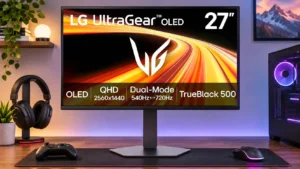
Overall: 4.1/5
Controls and setup are broadly intuitive, with convenient adjustment once the menu layout is familiar.
Pros: competitive gaming suitability, refresh rate
Cons: Dual-mode versatility, GPU demands

Overall: 4.1/5
Controls and setup are broadly intuitive, with convenient adjustment once the menu layout is familiar.
Pros: competitive gaming suitability, refresh rate
Cons: Dual-mode versatility, GPU demands
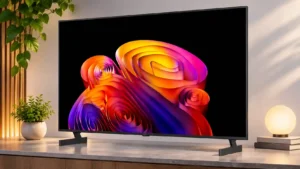
Overall: 4.0/5
webOS menus are generally intuitive and well organized, even if the software can occasionally feel heavier than expected.
Pros: contrast ratio, black levels
Cons: reflection handling, color accuracy
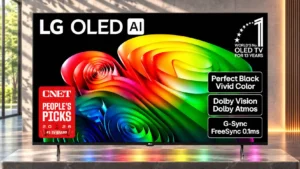
Overall: 3.8/5
Most testers find webOS menus intuitive, although AI features and the pointer can feel cumbersome until familiar.
Pros: value for money, peak brightness
Cons: color accuracy, stand quality
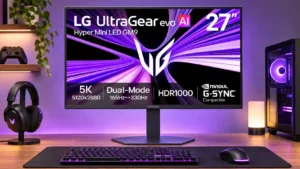
Overall: 4.0/5
The quick-access menus, shortcut buttons and preset modes make switching tasks straightforward after setup. Updating firmware can be much less pleasant.
Pros: Resolution, Dual-mode versatility
Cons: value for money, GPU demands

Overall: 3.1/5
Initial setup identifies a connected streaming box automatically, reducing manual input labeling; some interface choices remain personal preference.
Pros: design and appearance, maximum volume
Cons: picture quality, value for money
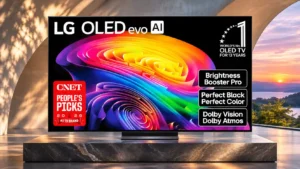
Overall: 4.1/5
webOS 26 can be fast and feature-rich yet frustrating to navigate, particularly for inputs, apps and detailed settings.
Pros: gaming performance, HDR brightness
Cons: reflection handling, glare resistance
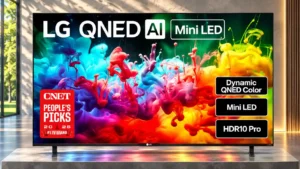
Overall: 3.4/5
The basic smart-TV functions are approachable, while the fuller webOS menus can feel cluttered and overwhelming.
Pros: picture quality, color accuracy
Cons: remote control quality, black levels
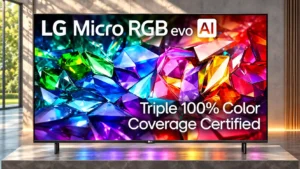
Overall: 4.0/5
Picture settings and unconventional remote shortcuts require patience, although the gaming dashboard makes some frequent adjustments straightforward.
Pros: peak brightness, picture quality
Cons: value for money, viewing angles