Best for social features
Elden Ring: Tarnished Edition
5.0 feature score
Highest scored product for this feature based on supporting review evidence.

Highest scored product for this feature based on supporting review evidence.
Balances feature score, supporting reviews, and overall product strength.
Has the broadest review evidence for this feature.
Strongest overall product among items with scored evidence for this feature.

Asynchronous messages and easy matchmaking helped make the original shared-world experience feel unusually lively and communal.
Pros: gameplay mechanics, core gameplay loop
Cons: platforming precision, tutorial quality

Proximity chat is a standout social feature, turning scares, role-playing, and accidental comedy into a major part of the multiplayer appeal.
Pros: world interactivity, world-building
Cons: dialogue quality, aiming precision
Social features are praised where likes and player feedback create a warm, positive network of encouragement.
Pros: animation quality, facial animations
Cons: quest design, AI behavior
Proximity chat, emotes, and spontaneous cooperation were among the most praised parts of the game’s identity.
Pros: frame rate stability, platform-specific feature support
Cons: voice acting, writing quality
The Paddock, marketplace, lobbies, and shared custom creations were praised as fun social layers.
Pros: flying mechanics, exploration quality
Cons: AI behavior, boss design
Shared-world encounters, spontaneous squads, and clans make it easy to cooperate and build longer-term groups.
Pros: exploration quality, sandbox freedom
Cons: mission variety, companion AI

Rooms, spectating, replay feeds, and tournament spaces help recreate some of the communal arcade feeling and give players useful ways to watch and learn.
Pros: onboarding experience, faithfulness to franchise
Cons: character development, achievement list quality

Social features are consistently praised, especially car meets, friend hangouts, seamless meetups, and lobby potential.
Pros: open-world design, replay value
Cons: dialogue quality, writing quality
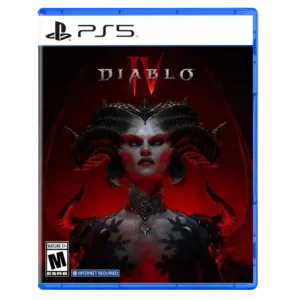
Social features were praised through increased trading and clan prominence.
Pros: lore depth, art direction
Cons: mission variety, protagonist appeal

Social features receive positive evidence through convoys and group driving, especially the ability to roam with many friends.
Pros: controls responsiveness, movement feel
Cons: tutorial quality, animation quality

Connected Franchise gives friend groups a welcome new way to share a league, trade, and compete together.
Pros: aiming precision, accessibility options
Cons: pacing, loot system

Social features had limited but positive evidence around relaxed public free skate and skating with others.
Pros: core gameplay loop, controls responsiveness
Cons: crash stability, cross-save support
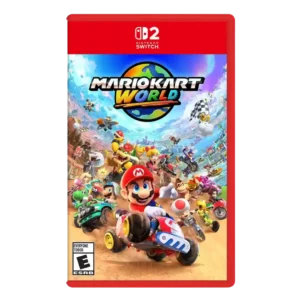
Social features were praised where GameChat, hangout play, and online social spaces made the game feel like a strong social racing experience.
Pros: animation quality, sound design
Cons: difficulty balance, AI behavior
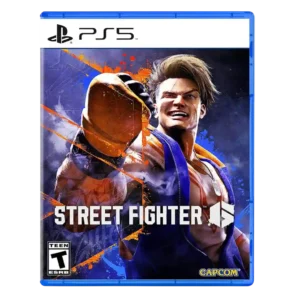
Social features were one of the game's identity points, from avatars and chat to spectating and lobby interactions.
Pros: movement feel, art direction
Cons: platforming precision, writing quality
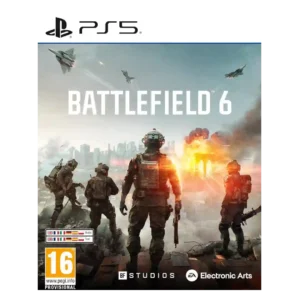
social features were praised for quick revive-thanks interactions.
Pros: haptic feedback integration, performance optimization
Cons: pacing, microtransaction impact

Social features were praised where Link Parties created a more intimate grouping layer than standard lobbies.
Pros: art direction, cross-play support
Cons: dialogue quality, monetization fairness
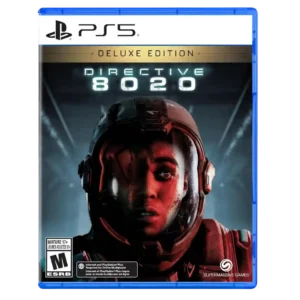
Social features drew positive interest around messaging and conversation systems that may support impostor suspicion.
Pros: user interface design, graphics quality
Cons: combat system, animation quality
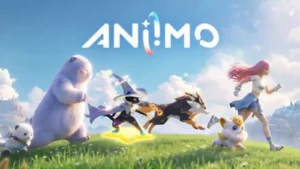
Astra, homestead visits, shared RV spaces, and group play create appealing ways to interact, even if the open world itself often remains mostly solo.
Pros: level design, replay value
Cons: competitive balance, battle pass value

Playing with friends is repeatedly described as a major part of the fun, and persistent or more social multiplayer structures help restore some of the communal feel associated with older...
Pros: soundtrack quality, load times
Cons: character development, monetization fairness
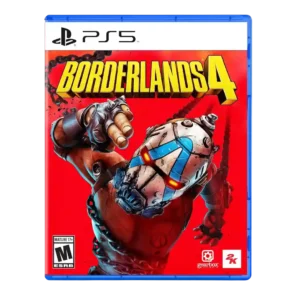
Social features have limited positive evidence around sharing desirable loot with friends.
Pros: sandbox freedom, art direction
Cons: polish, save system reliability
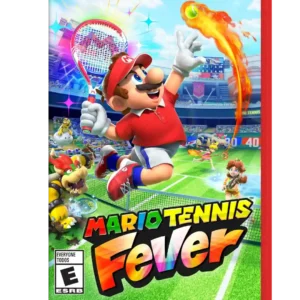
The huge selection of characters and options can make group play feel socially lively even when the choices are not all competitively distinct. The feature is more about party variety...
Pros: facial animations, load times
Cons: exploration quality, puzzle design

Friends, proximity chat, and coordinated squads can produce some of the game’s best moments. Solo-focused players also point out that finding a dependable group is harder than it should be.
Pros: world interactivity, voice acting
Cons: menu usability, HUD clarity
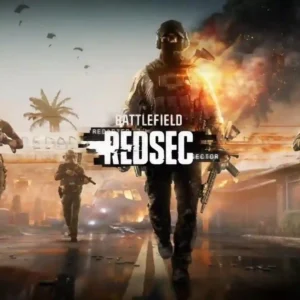
Social play is both essential and uneven. Teamwork is richly rewarded, but early ping and communication tools frustrate some players; proximity chat is viewed as a welcome later addition.
Pros: controls responsiveness, sandbox freedom
Cons: frame rate stability, user interface design
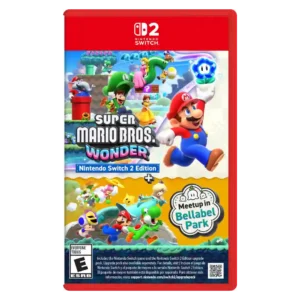
GameChat, greetings, and communication-heavy co-op give the upgrade a more social feel. GameChat and teamwork are useful additions, while greeting collectibles can feel disposable.
Pros: controls responsiveness, voice acting
Cons: matchmaking quality, user interface design

Co-ed City play, Crew HQ, casual spaces, and friend-focused modes make the social side broader, though platform barriers and competitive toxicity can still get in the way.
Pros: crash stability, sandbox freedom
Cons: battle pass value, monetization fairness

Seeing other players' creations can make The Island feel more communal, but the surrounding social hub does not appeal to everyone. Its value depends on whether shared-space play is part...
Pros: lore depth, co-op experience
Cons: economy and resource balance, tutorial quality

Social features are mixed: chibi avatars, emotes, stickers, and lobbies add charm, but several reviewers find them limited or not functional enough.
Pros: movement feel, world-building
Cons: save system reliability, mission variety

Relationships can become engaging once players invest in gifts and conversations, but the system is inconsistent. One critic finds the social links unrewarding and disconnected from related tasks.
Pros: world interactivity, sandbox freedom
Cons: character diversity, character development
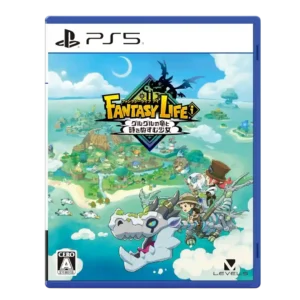
Social features are limited by the lack of voice chat despite crossplay, text chat, and emotes.
Pros: load times, crash stability
Cons: originality, voice acting

Pokémon’s trading culture remains integral to the experience, but local-only communication on Switch sharply limits that social loop for players without nearby friends.
Pros: boss design, side character depth
Cons: monetization fairness, originality
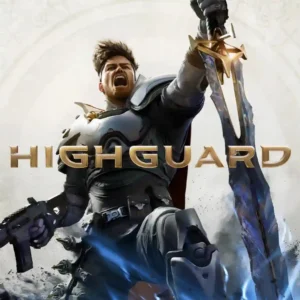
Communication is crucial, but the absence of text chat in solo queue is a serious drawback despite strong coordinated-team play.
Pros: controls responsiveness, level design
Cons: world interactivity, dialogue quality
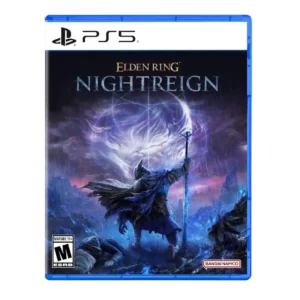
Social features were widely criticized because ping-only communication could not replace voice or text chat in a coordination-heavy game.
Pros: emotional impact, visual effects quality
Cons: crash stability, cross-play support

Social features are criticized through awkward friend/invite systems in online play.
Pros: emotional impact, animation quality
Cons: enemy variety, server reliability
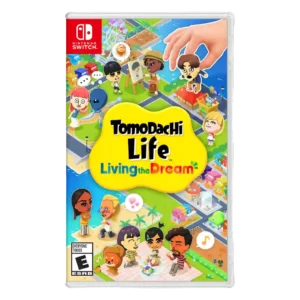
The lack of online sharing, QR-style exchange, and broader social tools is one of the most repeated complaints.
Pros: grind level, originality
Cons: social features, accessibility options
Public voice chat is poorly handled, with an open mic by default creating noisy matchmaking sessions.
Pros: skill tree depth, learning curve
Cons: aiming precision, pacing