
Social features are praised where likes and player feedback create a warm, positive network of encouragement.
Pros: narrative quality, combat system
Cons: difficulty balance, weapon balance

Social features are praised where likes and player feedback create a warm, positive network of encouragement.
Pros: narrative quality, combat system
Cons: difficulty balance, weapon balance

Proximity chat, emotes, and spontaneous cooperation were among the most praised parts of the game’s identity.
Pros: sound design, combat system
Cons: voice acting, menu usability

The Paddock, marketplace, lobbies, and shared custom creations were praised as fun social layers.
Pros: battle mode quality, content variety
Cons: learning curve, competitive balance

Rooms, spectating, replay feeds, and tournament spaces help recreate some of the communal arcade feeling and give players useful ways to watch and learn.
Pros: remake/remaster quality, combat system
Cons: content variety, character customization

Social features had limited but positive evidence around relaxed public free skate and skating with others.
Pros: level design, remake/remaster quality
Cons: soundtrack quality, mission design
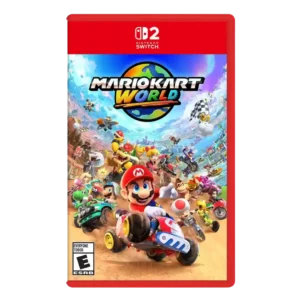
Social features were praised where GameChat, hangout play, and online social spaces made the game feel like a strong social racing experience.
Pros: content variety, soundtrack quality
Cons: open-world design, exploration quality

social features were praised for quick revive-thanks interactions.
Pros: multiplayer design, sound design
Cons: narrative quality, map and navigation design

Social features were praised where Link Parties created a more intimate grouping layer than standard lobbies.
Pros: combat system, narrative quality
Cons: difficulty balance, endgame content

Playing with friends is repeatedly described as a major part of the fun, and persistent or more social multiplayer structures help restore some of the communal feel associated with older...
Pros: multiplayer design, level design
Cons: fun factor, narrative quality

Social features have limited positive evidence around sharing desirable loot with friends.
Pros: movement feel, loot system
Cons: performance optimization, narrative quality

Friends, proximity chat, and coordinated squads can produce some of the game’s best moments. Solo-focused players also point out that finding a dependable group is harder than it should be.
Pros: fun factor, loot system
Cons: difficulty balance, quest design

Social play is both essential and uneven. Teamwork is richly rewarded, but early ping and communication tools frustrate some players; proximity chat is viewed as a welcome later addition.
Pros: fun factor, battle mode quality
Cons: multiplayer design, replay value

Social features are limited by the lack of voice chat despite crossplay, text chat, and emotes.
Pros: core gameplay loop, narrative quality
Cons: crafting system, multiplayer design

A leaderboard would give skilled players a clearer way to share and compare their results. Its absence disappoints a panel interested in showing off cleaner runs.
Pros: overall quality, difficulty balance
Cons: frame rate stability, performance optimization
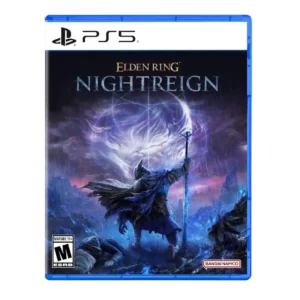
Social features were widely criticized because ping-only communication could not replace voice or text chat in a coordination-heavy game.
Pros: co-op experience, fun factor
Cons: difficulty balance, social features

Social features are criticized through awkward friend/invite systems in online play.
Pros: content variety, gameplay mechanics
Cons: learning curve, user interface design

A multiplayer chat fault leaves one player muted and unable to communicate normally.
Pros: overall quality, level design
Cons: innovation, mission design