Best for pure sine wave output
Jackery Explorer 300
5.0 feature score
Highest scored product for this feature based on supporting review evidence.

Highest scored product for this feature based on supporting review evidence.
Balances feature score, supporting reviews, and overall product strength.
Has the broadest review evidence for this feature.
Strongest overall product among items with scored evidence for this feature.
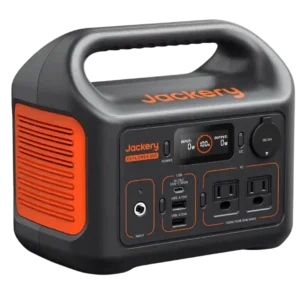
The pure sine inverter is repeatedly trusted with laptops, cameras and other sensitive electronics without issues.
Pros: output stability, voltage regulation
Cons: battery expandability, water resistance
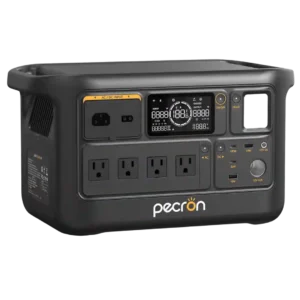
Oscilloscope and audio tests consistently show a very clean sine wave, making the AC output well suited to electronics that are sensitive to noisy power.
Pros: rated output, peak output
Cons: startup reliability, whole-home integration
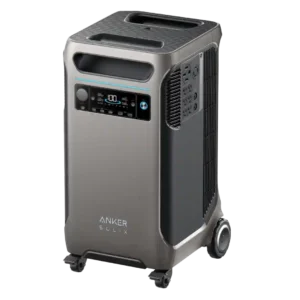
Tests and owners describe the AC waveform as clean, stable, and high quality, suitable for sensitive equipment.
Pros: rated output, output stability
Cons: car charging speed, USB-A ports
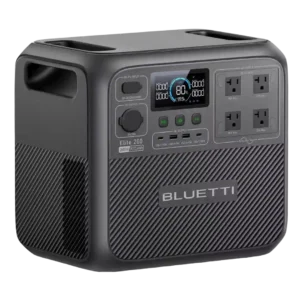
The pure sine wave inverter behaves like household power and is well suited to delicate electronics and motor-driven appliances.
Pros: output stability, pure sine wave output
Cons: specification accuracy, startup reliability
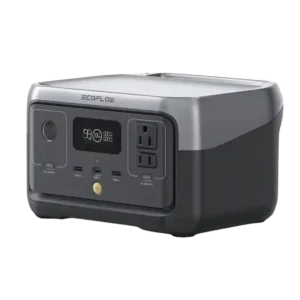
The inverter produces clean sine-wave AC that testers trusted with routers, computers, TVs, and other electronics.
Pros: surge capacity, output stability
Cons: dual-input charging, whole-home integration
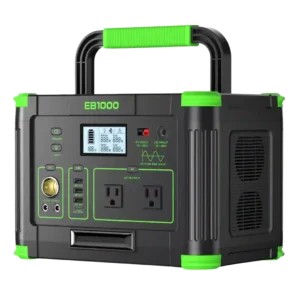
The pure sine wave inverter is a clear strength for laptops, televisions, refrigerators, and other sensitive electronics.
Pros: rated output, output stability
Cons: battery expandability, startup reliability
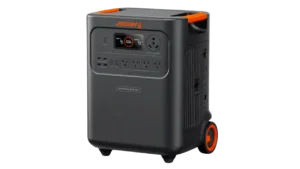
The inverter delivers clean pure sine wave power, and multiple tests found the waveform suitable for sensitive electronics.
Pros: output stability, voltage regulation
Cons: DC output, 12-volt outlet
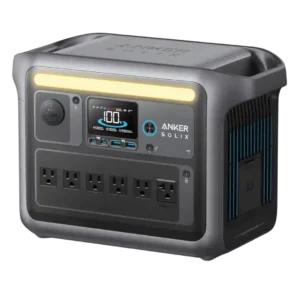
The pure-sine inverter supplies clean AC suitable for sensitive electronics and common household appliances.
Pros: power output, rated output
Cons: dual-input charging, cable storage
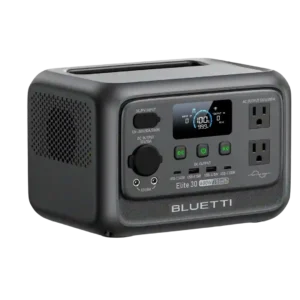
Pure-sine output behaves like wall power for sensitive electronics, avoiding the problems associated with cheaper modified-sine units.
Pros: rated output, output stability
Cons: over-voltage protection, cold-weather performance
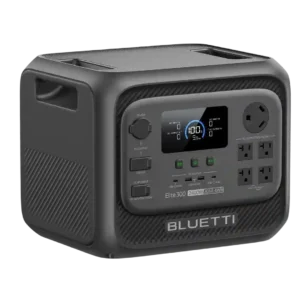
Testing and specifications support clean sine-wave power suitable for sensitive electronics, computers, and production equipment.
Pros: surge capacity, voltage regulation
Cons: water resistance, ventilation requirements
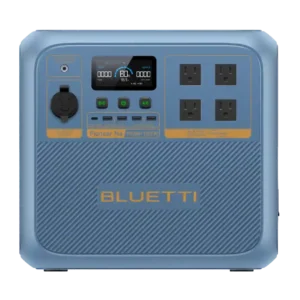
Instrumented testing confirms clean pure-sine-wave behavior, supporting laptops, electronics, and other sensitive loads.
Pros: pure sine wave output, startup performance
Cons: MPPT controller performance, battery expandability
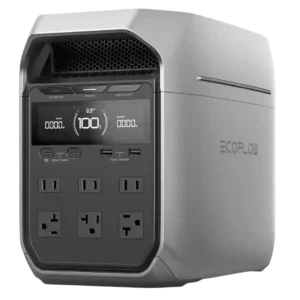
Testing showed a clean 120V, 60Hz sine wave, making the station suitable for computers, audio gear, and other sensitive electronics.
Pros: rated output, peak output
Cons: 30-amp output, parallel operation support
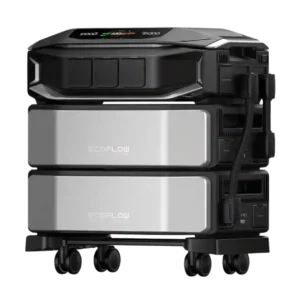
Direct waveform testing found clean sine-wave power without issues, supporting use with ordinary household electronics and more sensitive equipment.
Pros: output stability, voltage regulation
Cons: solar cable compatibility, UPS functionality
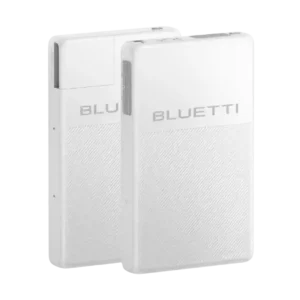
Oscilloscope testing confirmed clean pure-sine output suitable for sensitive electronics and compressor appliances.
Pros: power output, rated output
Cons: USB-A ports, 12-volt outlet
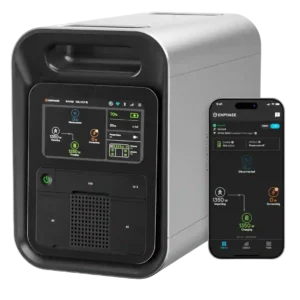
Pure sine wave AC supports sensitive electronics without the instability associated with rougher inverter output.
Pros: rated output, output stability
Cons: runtime at full load, RV outlet
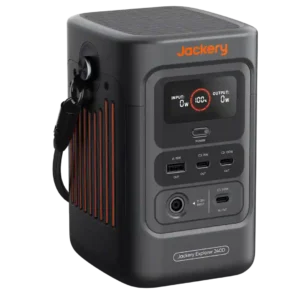
Older Explorer 240 coverage praises pure sine wave AC for sensitive electronics. The 240D itself removes the inverter and instead supplies stable DC power.
Pros: power output, rated output
Cons: AC outlet count, repairability
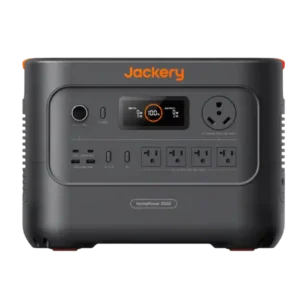
Pure sine wave output makes the station well suited to sensitive electronics and production equipment.
Pros: power output, rated output
Cons: battery expandability, car charging speed
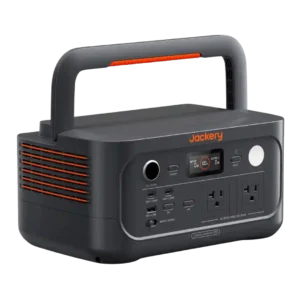
The pure-sine inverter is a strong fit for sensitive electronics, providing grid-like power rather than a cheaper modified waveform.
Pros: output stability, pure sine wave output
Cons: remaining runtime estimate, Bluetooth connectivity
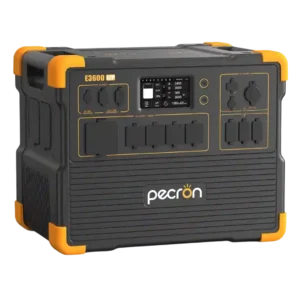
Pure sine wave output remained clean under load, making it suitable for most sensitive electronics.
Pros: power output, rated output
Cons: output stability, voltage regulation
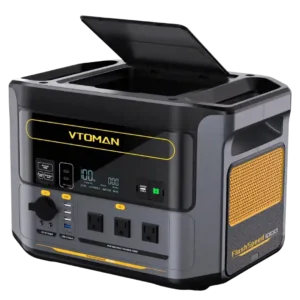
Clean sine-wave power remained stable under load and during UPS testing, a meaningful benefit for sensitive equipment.
Pros: inverter quality, power quality
Cons: Wi-Fi connectivity, weather resistance
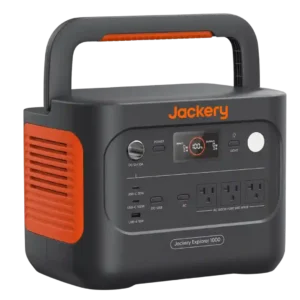
Clean sine-wave power is valued for safely running laptops, medical equipment, motors, and other sensitive electronics.
Pros: rated output, peak output
Cons: standby power loss, specification accuracy
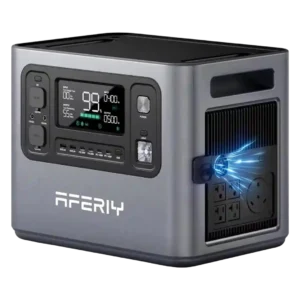
Oscilloscope testing confirmed pure sine wave output, making the station suitable for normal electronics, though distortion appeared at maximum load.
Pros: rated output, peak output
Cons: app connectivity, voltage regulation
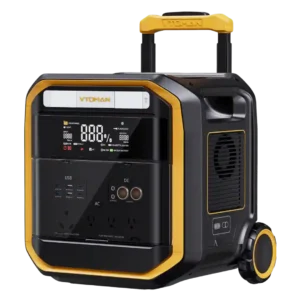
Pure sine output is valued for safely running sensitive electronics, computers, and other equipment that benefits from clean AC power.
Pros: power output, surge capacity
Cons: specification accuracy, peak output
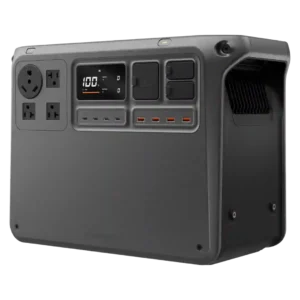
The pure sine-wave inverter was viewed as a strong foundation for appliances and sensitive electronics.
Pros: rated output, peak output
Cons: startup reliability, full-load noise
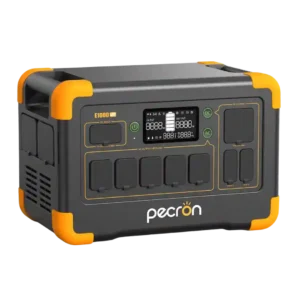
The inverter does produce a pure sine wave and can look very clean at moderate loads, although visible distortion increases as output approaches the maximum.
Pros: inverter quality, LiFePO4 battery
Cons: idle noise, built-in light