Best for lifting ease
Pecron F1000LFP
5.0 feature score
Highest scored product for this feature based on supporting review evidence.

Highest scored product for this feature based on supporting review evidence.
Balances feature score, supporting reviews, and overall product strength.
Has the broadest review evidence for this feature.
Strongest overall product among items with scored evidence for this feature.
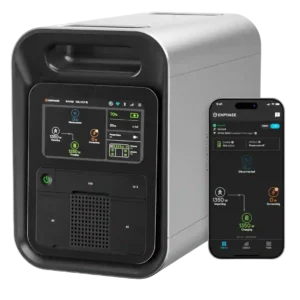
Comfortable paired handles make short lifts easier, even though the station itself remains heavy.
Pros: rated output, output stability
Cons: runtime at full load, RV outlet
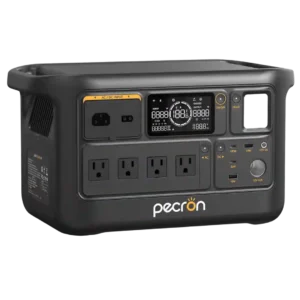
The roughly 24-pound weight and side handles make the F1000 notably easy to lift and reposition for a 1kWh-class station.
Pros: rated output, peak output
Cons: startup reliability, whole-home integration
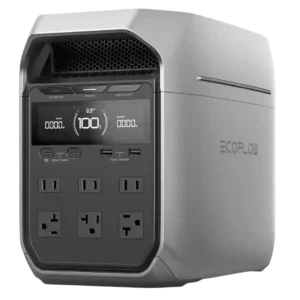
Well-positioned dual handles make the station straightforward to lift despite the dense battery weight.
Pros: rated output, peak output
Cons: 30-amp output, parallel operation support
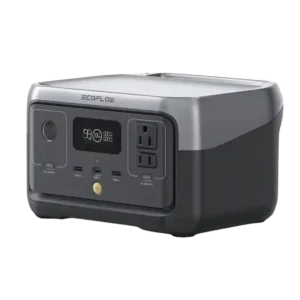
The low weight and oversized grab handle make it easy to lift and carry one-handed over meaningful distances.
Pros: surge capacity, output stability
Cons: dual-input charging, whole-home integration
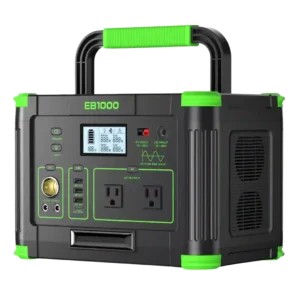
Its compact dimensions and relatively low weight make it easier to lift than many power stations with similar capacity.
Pros: rated output, output stability
Cons: battery expandability, startup reliability
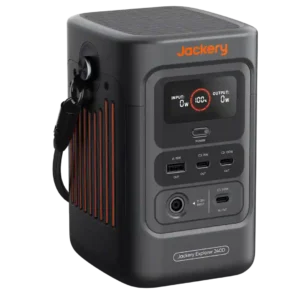
The compact body and integrated handle make one-handed lifting easy. It is far less cumbersome than conventional power stations.
Pros: power output, rated output
Cons: AC outlet count, repairability
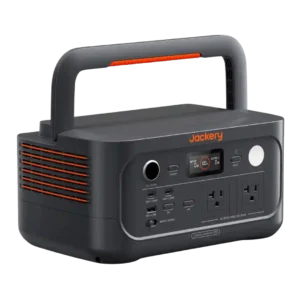
At about 5.7kg, the station is easy to pick up and carry with one hand.
Pros: output stability, pure sine wave output
Cons: remaining runtime estimate, Bluetooth connectivity
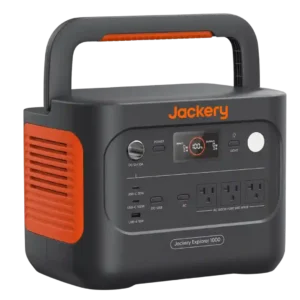
Despite weighing around 24 pounds, the balanced shape and folding handle let one person move it comfortably in most situations.
Pros: rated output, peak output
Cons: standby power loss, specification accuracy
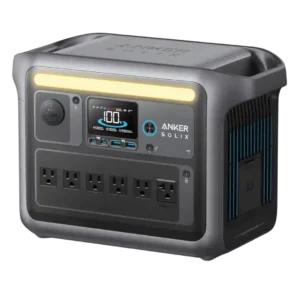
Built-in handles make short moves manageable, but the roughly 28-pound weight still encourages two-handed carrying over distance.
Pros: power output, rated output
Cons: dual-input charging, cable storage
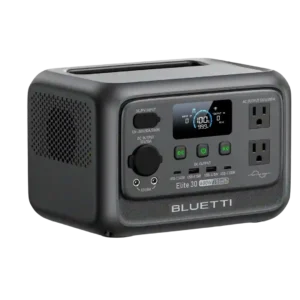
Low weight and the integrated handle make the station easy to lift and reposition.
Pros: rated output, output stability
Cons: over-voltage protection, cold-weather performance
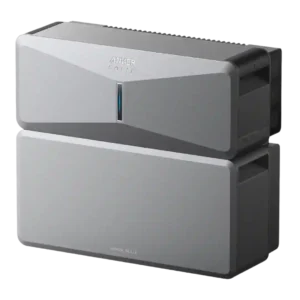
The batteries are heavy, but splitting the system into modular pieces makes positioning easier than moving a single large residential battery that may require lifting equipment.
Pros: rated output, surge capacity
Cons: outlet selection, AC outlet count
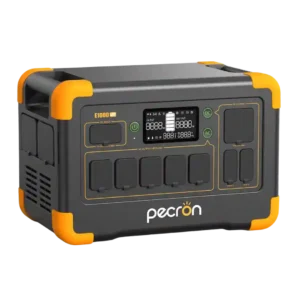
At about 30 pounds it is not light, but the dual handles make it manageable for an average adult to lift and move.
Pros: inverter quality, LiFePO4 battery
Cons: idle noise, built-in light
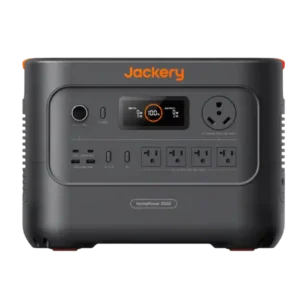
Two people can move it comfortably, and stronger users may carry it alone, but loading it into a vehicle can still be difficult.
Pros: power output, rated output
Cons: battery expandability, car charging speed
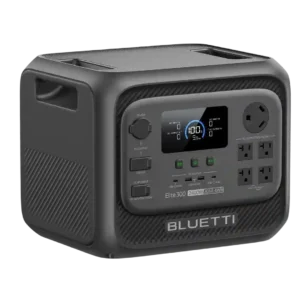
Short moves are manageable with the built-in handles, but stairs and repeated carrying become tiring. Several testers preferred a two-person lift.
Pros: surge capacity, voltage regulation
Cons: water resistance, ventilation requirements
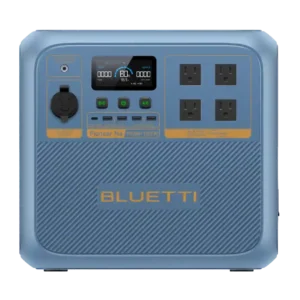
The handles make short carries manageable, but 35 pounds is still enough that reviewers do not consider this effortless to move.
Pros: pure sine wave output, startup performance
Cons: MPPT controller performance, battery expandability
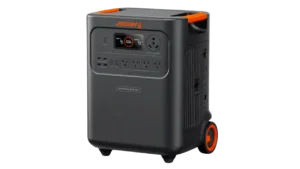
Rolling is easy, but lifting is more situational: one reviewer managed vehicle loading easily while another recommended two people for stairs or loading.
Pros: output stability, voltage regulation
Cons: DC output, 12-volt outlet
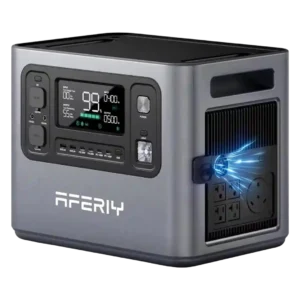
At nearly 50 pounds, the unit is awkward for one person to lift from the floor but well suited to a coordinated two-person carry.
Pros: rated output, peak output
Cons: app connectivity, voltage regulation
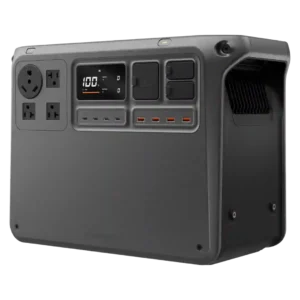
One person can lift it for short moves, but stairs and longer carries often call for a trolley or second person.
Pros: rated output, peak output
Cons: startup reliability, full-load noise
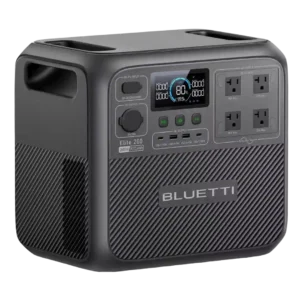
Dual handles help, but the dense 53-pound body remains awkward and sometimes requires a second person or trolley.
Pros: output stability, pure sine wave output
Cons: specification accuracy, startup reliability
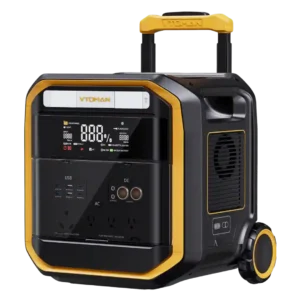
Rolling is easy, but lifting is not. At more than 80 pounds, the station generally requires two hands or two people.
Pros: power output, surge capacity
Cons: specification accuracy, peak output
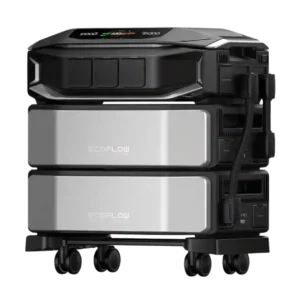
Individual modules can be separated and moved, but lifting is still a real challenge. Multiple reviewers note the heavy batteries and recommend help even though the modular design is easier...
Pros: output stability, voltage regulation
Cons: solar cable compatibility, UPS functionality
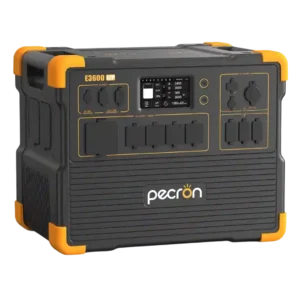
At nearly 80 pounds, the station is difficult to lift and often requires two people.
Pros: power output, rated output
Cons: output stability, voltage regulation
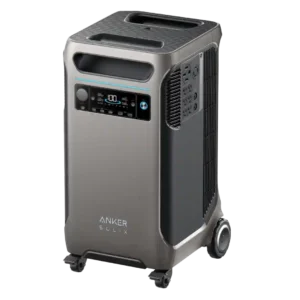
At roughly 132 pounds, lifting is a two-person job even though the grab handles are secure.
Pros: rated output, output stability
Cons: car charging speed, USB-A ports

The flat 43-pound form is awkward to lift, especially onto a refrigerator, despite its compact appearance.
Pros: power output, rated output
Cons: USB-A ports, 12-volt outlet