Best for heat management
Jackery HomePower 3600 Plus
5.0 feature score
Highest scored product for this feature based on supporting review evidence.

Highest scored product for this feature based on supporting review evidence.
Balances feature score, supporting reviews, and overall product strength.
Has the broadest review evidence for this feature.
Strongest overall product among items with scored evidence for this feature.
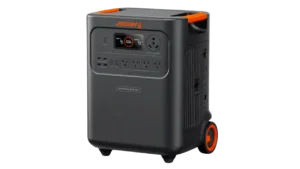
Heat management was praised for well-controlled internal temperatures and ventilation that kept sustained loads from becoming a thermal problem.
Pros: output stability, voltage regulation
Cons: DC output, 12-volt outlet
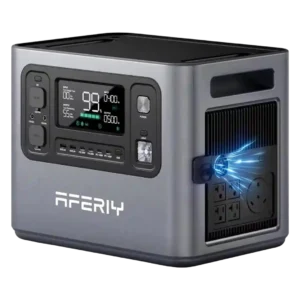
Thermal performance is excellent under sustained load, with fans keeping internal temperatures comfortably controlled.
Pros: rated output, peak output
Cons: app connectivity, voltage regulation
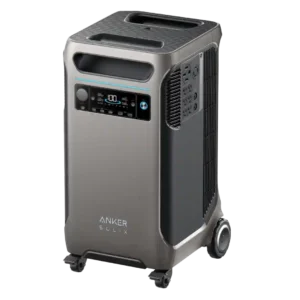
Wide vents and multiple fans move heat effectively, even though the fan system can become audible near maximum output.
Pros: rated output, output stability
Cons: car charging speed, USB-A ports
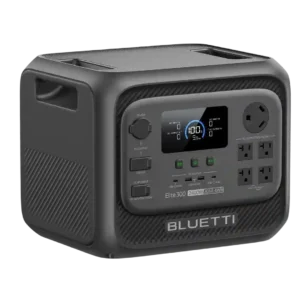
Stress testing earned exceptional praise for thermal control, suggesting the compact enclosure can manage sustained high power when ventilation is clear.
Pros: surge capacity, voltage regulation
Cons: water resistance, ventilation requirements
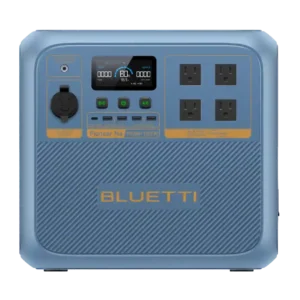
Heavy charging and load testing produced good thermal behavior, with reviewers reporting no overheating and effective fan control.
Pros: pure sine wave output, startup performance
Cons: MPPT controller performance, battery expandability
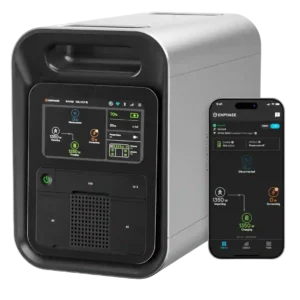
Even during a demanding vehicle-charging test, the enclosure remained barely warm.
Pros: rated output, output stability
Cons: runtime at full load, RV outlet
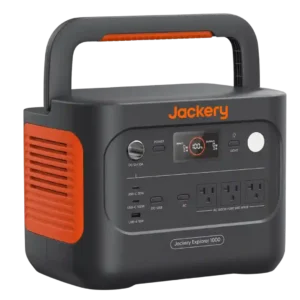
Even aggressive fast charging kept temperatures surprisingly controlled, supporting confidence in the charging system.
Pros: rated output, peak output
Cons: standby power loss, specification accuracy
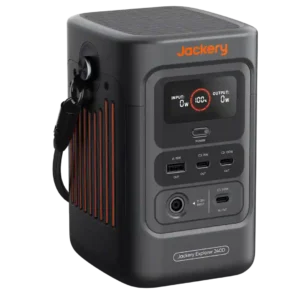
A demanding multi-device test found no overheating, supporting confidence in the thermal design under ordinary use.
Pros: power output, rated output
Cons: AC outlet count, repairability
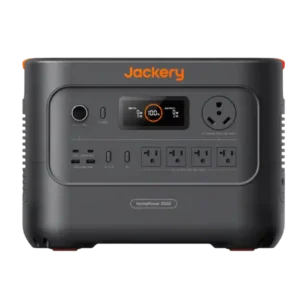
Smart charging controls monitor overheating and balance fast performance with long-term battery health.
Pros: power output, rated output
Cons: battery expandability, car charging speed
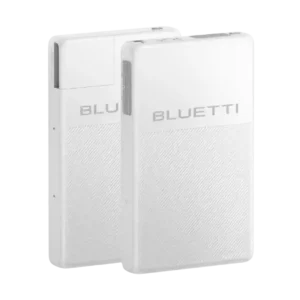
The casing stayed cool during ordinary use, and sustained full-load tests completed without abnormal smells or shutdowns. High-power operation does create measurable heat near the exhaust.
Pros: power output, rated output
Cons: USB-A ports, 12-volt outlet
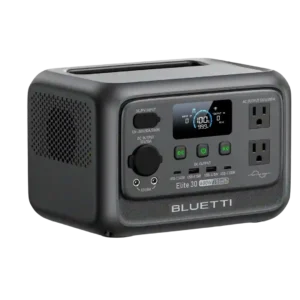
Thermal management is well controlled, with intelligent cooling and a premium overall feel. Warm exhaust appears under stress, but the unit continues operating normally.
Pros: rated output, output stability
Cons: over-voltage protection, cold-weather performance
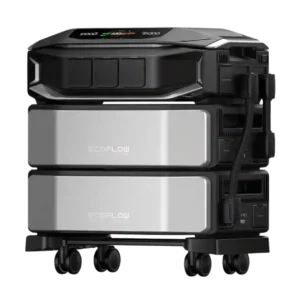
The inverter's heat-sink approach is praised for keeping fan noise low while handling substantial power. High-load tests show heat being expelled without the loud cooling behavior common to some DIY...
Pros: output stability, voltage regulation
Cons: solar cable compatibility, UPS functionality
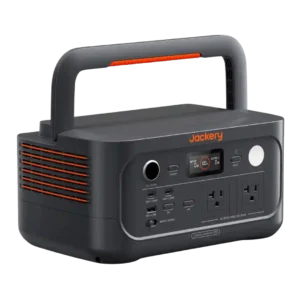
The battery design is credited with keeping temperatures under control and improving thermal safety in normal use.
Pros: output stability, pure sine wave output
Cons: remaining runtime estimate, Bluetooth connectivity
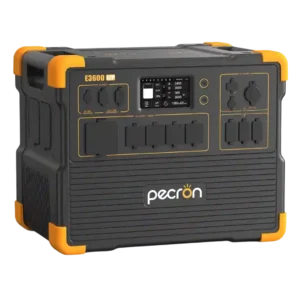
Most stress tests showed good thermal control, but one replacement ran hot and one solar board overheated and throttled.
Pros: power output, rated output
Cons: output stability, voltage regulation
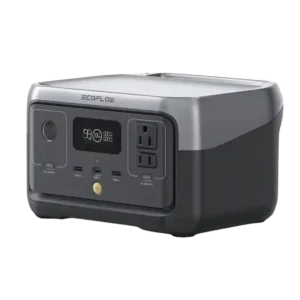
Active cooling keeps the unit from overheating during heavy use, but fast charging can make it warm and a few fault reports involved heat-related shutdowns.
Pros: surge capacity, output stability
Cons: dual-input charging, whole-home integration
GaN-based efficiency usually keeps heat low, though one owner reported substantial warming and another found a car cable dangerously hot.
Pros: noise level, idle noise
Cons: self-discharge rate, air travel suitability
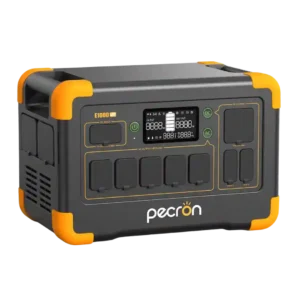
Thermal behavior is the biggest point of disagreement: multiple units handled full load without overheating, while one sample repeatedly ran dangerously hot and shut down.
Pros: inverter quality, LiFePO4 battery
Cons: idle noise, built-in light
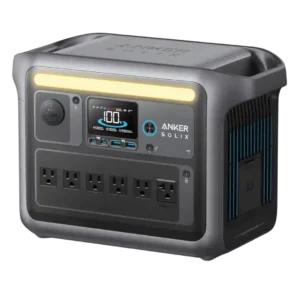
The unit monitors and manages heat effectively, but it can run warm in UPS mode or heavy use. Open airflow is important.
Pros: power output, rated output
Cons: dual-input charging, cable storage
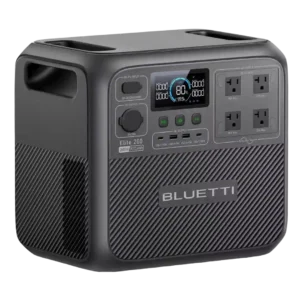
Most testing showed controlled temperatures, but rare reports of excessive heat and burning odor raise a meaningful caution.
Pros: output stability, pure sine wave output
Cons: specification accuracy, startup reliability
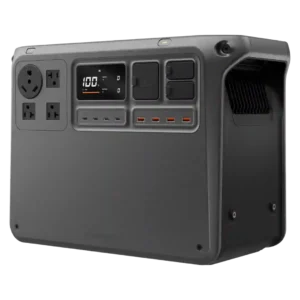
A few owners reported rapid heating under light loads, while broader testing found normal thermal protection and controlled temperatures.
Pros: rated output, peak output
Cons: startup reliability, full-load noise
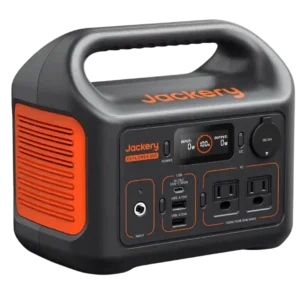
Direct sun and pass-through use can raise case temperature and reduce charging efficiency, so heat management requires some care.
Pros: output stability, voltage regulation
Cons: battery expandability, water resistance
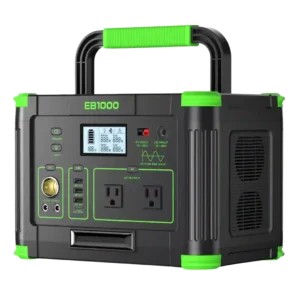
Charging heat is troubling in the worst cases, with hot power supplies, shutdowns, and even melted plastic around a charging port.
Pros: rated output, output stability
Cons: battery expandability, startup reliability
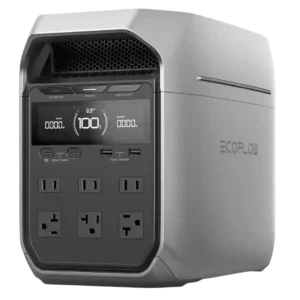
Multiple tests recorded excessive heat under demanding loads, including temperatures above 125°F, making sustained high-output use the chief concern.
Pros: rated output, peak output
Cons: 30-amp output, parallel operation support