Best for episode structure
The Pitt, Season 2
5.0 feature score
Highest scored product for this feature based on supporting review evidence.

Highest scored product for this feature based on supporting review evidence.
Balances feature score, supporting reviews, and overall product strength.
Has the broadest review evidence for this feature.
Strongest overall product among items with scored evidence for this feature.

The real-time structure remains one of the show’s biggest strengths. Reviewers say it feels clever, immediate, and like proper episodic TV rather than a gimmick.
Pros: episode structure, main cast performance
Cons: age appropriateness, plot clarity

Standout episodes are praised for strong construction, especially the farcical Montecito story that pairs classic misunderstandings with deeper emotional stakes.
Pros: plot originality, episode structure
Cons: season length, realism
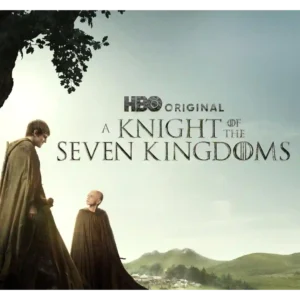
The six chapters feel like actual television episodes rather than a movie chopped into pieces. Each installment has its own shape while advancing the compact season arc.
Pros: plot originality, episode structure
Cons: character development, family friendliness

The season is often praised for low filler and strong end hooks, making each episode feel purposeful and designed to propel the mystery forward.
Pros: episode structure, supporting cast performance
Cons: character consistency, soundtrack quality

The compact episodic structure is praised for making later chapters feel purposeful and tightly connected to the larger operation.
Pros: episode structure, pilot episode quality
Cons: accountability handling, finale satisfaction

The premiere’s structure is praised for linking Teagan’s athletic focus, family collapse, and final tuition reveal into a particularly effective hour.
Pros: episode structure, season finale quality
Cons: season length, character consistency

The flashback-and-flashforward construction is praised as complex but controlled, helping the story reveal motives and relationships piece by piece.
Pros: episode structure, season finale quality
Cons: character consistency, episode length

The penultimate episode was singled out as exceptionally constructed, balancing revelation, dread, character work, and setup for the finale.
Pros: episode structure, supporting cast performance
Cons: cinematography, sexual content level

The full-season story was called tightly constructed, with family foundations established before the more extravagant online persona appears.
Pros: episode structure, dialogue quality
Cons: plot twists, season finale quality

Episode 7 is praised for concentrating its many storylines around a clear emotional center, producing a focused and driven hour.
Pros: episode structure, finale satisfaction
Cons: makeup quality, family friendliness

Reaction coverage praised the construction of key episodes for delivering multiple strong scenes and satisfying emotional beats.
Pros: episode structure, season finale quality
Cons: family friendliness, age appropriateness

The six films are praised in one review for feeling distinct from one another rather than repeating the same vehicle problem or setup.
Pros: story quality, episode structure
Cons: suspense, modern political framing

One highly positive assessment praises how secondary-character threads tighten episode by episode, giving the season a deliberate web-like structure.
Pros: episode structure, cast chemistry
Cons: character consistency, editing quality

The premiere’s procedural build, parallel Reacher/team storylines, and self-contained action mini-arcs are frequently praised for giving episodes shape and variety.
Pros: pilot episode quality, drama quality
Cons: editing quality, character consistency

The episode structure is a strength, with standalone haunts feeding a larger arc instead of feeling like one long undivided movie.
Pros: episode structure, main cast performance
Cons: family friendliness, language level

The premiere earns praise for efficiently setting up several threats and emotional threads at once. Reviewers also noted that the show can juggle disparate material with surprising smoothness.
Pros: season finale quality, character development
Cons: accent authenticity, product placement

Large comic set pieces, interlocking secrets, and multiple revelations are handled with impressive control, particularly in the dinner-party episode.
Pros: score quality, critic appeal
Cons: character consistency, plot clarity

The best episodes are praised for making separate threads serve the larger plot, and late turns can elevate otherwise merely solid chapters.
Pros: finale satisfaction, character consistency
Cons: screenplay quality, release schedule

The simultaneous presentation of plotlines was praised for adding momentum compared with the novel's more sequential structure.
Pros: finale satisfaction, series finale quality
Cons: cast chemistry, makeup quality

Early episodes quickly branch beyond Greg to establish the ensemble, a choice praised for making the series feel more dynamic.
Pros: screenplay quality, genre satisfaction
Cons: continuity, family friendliness

The literary episode titles are more than decoration, mirroring the protagonist’s emotional and thematic progression across the season.
Pros: cinematography, production design
Cons: cliffhanger effectiveness, character consistency
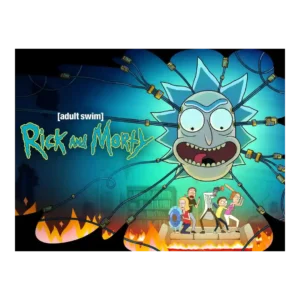
Episodes avoid filler, link cleanly, and keep action climaxes from feeling repetitive. The season stays mostly episodic while adding a stronger seasonal spine.
Pros: critic appeal, genre satisfaction
Cons: family friendliness, age appropriateness

The dual-timeline structure is widely viewed as a smart expansion. Reviewers like how the past and present mirror each other, add momentum, and eventually make the season feel more complete.
Pros: drama quality, finale satisfaction
Cons: character development, season pacing

Several reviewers like how individual episodes build their own hooks while feeding the larger mystery, though others dislike the season-long case swallowing episodic detective storytelling.
Pros: pilot episode quality, emotional impact
Cons: continuity, modern political framing

The classic mix of stage acts, musical numbers and backstage overbooking works well as a simple framework for the chaos, even when individual sketches vary.
Pros: violence level, world-building
Cons: editing quality, language level
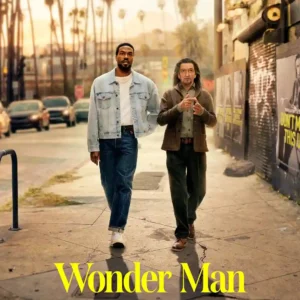
The self-contained episode design feels like real television to many viewers, though the Doorman detour splits opinion over whether it enriches or interrupts the main story.
Pros: soundtrack quality, pilot episode quality
Cons: accountability handling, plot clarity
The standalone format is one of the clearest selling points: reviewers repeatedly describe concise, self-contained adventures that can be watched without homework. A few note that the episodic reset also...
Pros: production design, animation quality
Cons: pilot episode quality, score quality

The series gets strong marks for time jumps, flashbacks, and midseason structural pivots that reframe earlier information without simply following a standard superhero arc.
Pros: rewatch value, renewal interest
Cons: power scaling, modern political framing

The season’s flashbacks and shifting perspectives add more depth than expected. That structure helps the characters’ histories matter alongside the central mystery.
Pros: plot originality, emotional impact
Cons: humor, writing quality

Flashbacks, road-trip detours, and overlapping clues often keep the mystery lively and reveal character along the way. Repeated scenes and a recurring trouble-clue-escape pattern made the structure feel formulaic to...
Pros: character consistency, cast chemistry
Cons: cliffhanger effectiveness, season length

The expanded eight-episode and two-timeline structure gives the saga room to breathe. It is also framed as a setup for a longer story rather than a completely self-contained arc.
Pros: season finale quality, main cast performance
Cons: humor, plot clarity

The structure earns praise for weaving Nadal’s final season with earlier career chapters. The back-and-forth timeline lets his teenage rise, rivalries, injuries, and retirement mirror each other without turning into...
Pros: genre satisfaction, soundtrack quality
Cons: writing quality, plot clarity

The single-service structure often helps the show refocus on the kitchen and team problem-solving. A few reviewers still find the compressed setup artificial, but most credit it with giving the...
Pros: directing quality, cinematography
Cons: dialogue quality, plot originality

The three-part structure works well for some viewers because it gives the mystery room without losing momentum. Others note that the episodes still behave like sections of a single feature...
Pros: main cast performance, drama quality
Cons: directing quality, franchise connection

The structure often improves as the field narrows, pairing smaller groups with games that suit them well. Some early batches also move smoothly between main games and social twists.
Pros: world-building, visual style
Cons: pilot episode quality, directing quality
The structure mostly works when it foregrounds character before spectacle. Still, some viewers found the story and structure a little flawed even while enjoying the cast and themes.
Pros: main cast performance, acting quality
Cons: cancellation satisfaction, plot clarity
The flashback-heavy middle chapter and courtroom-focused material are major structural highlights, but some setup episodes feel inessential or overloaded. The season works best when each episode has a clear dramatic...
Pros: costume design, score quality
Cons: realism, plot clarity

The season juggles many simultaneous missions, and several critics think the cutting between storylines keeps the show moving. Others note that the structure sometimes leads to exposition or scenes where...
Pros: directing quality, bingeability
Cons: none

Rotating viewpoints and character-focused episodes give the season useful depth, with Aunt Lydia’s material producing both a major highlight and some of the sharpest criticism. Exposition-heavy stretches and an underdeveloped...
Pros: supporting cast performance, realism
Cons: family friendliness, sexual content level

The episodic construction is widely admired, especially the cold opens and chapters that tell a complete mini-arc while still advancing the larger season.
Pros: dialogue quality, franchise connection
Cons: season finale quality, finale satisfaction

The structure is strongest when it links the founding era to later democratic fault lines in a coherent way. Its point of view can arrive late, and some modern parallels...
Pros: production design, bingeability
Cons: modern political framing, plot originality
The episode format is sturdy: introduce the people, build the dispute, reach the crime, then sit with the aftermath. That structure is effective but can feel repetitive by the later...
Pros: finale satisfaction, season finale quality
Cons: violence level, writing quality

The structure works best when it moves methodically through the case and trial. Positive reactions call it clinical and well organized, though that orderliness does not satisfy viewers wanting fresh...
Pros: directing quality, modern political framing
Cons: value for money, family friendliness

Standalone or capsule-style episodes are among the most praised parts of the season, while multi-thread episodes can feel crowded and scattered.
Pros: plot originality, main cast performance
Cons: release schedule, dialogue quality

The season structure works best for critics who treat it as one long noir-superhero serial. Others think the eight-episode shape is loose enough that several middle installments could be skipped.
Pros: plot twists, cliffhanger effectiveness
Cons: family friendliness, age appropriateness

The season’s loose chaptering is uneven, but standout formats—including home video, found footage, and a frantic wedding-morning episode—give individual installments identity.
Pros: special effects quality, soundtrack quality
Cons: screenplay quality, series finale quality

The larger structure gives the Bowden family, Cady, and the teens room to complicate the story. Reviewers who liked the added sprawl saw it as necessary, while others thought the...
Pros: directing quality, cinematography
Cons: realism, character consistency

The early episodes are seen as careful setup rather than instant payoff, and later time jumps are treated as bold structural moves. That structure can feel deliberate, but it also...
Pros: cliffhanger effectiveness, main cast performance
Cons: humor, family friendliness

Flashbacks and character-centered installments are central to the season’s identity. Some reviewers found the standalone approach fascinating and emotionally rich; others said the timeline hopping stalls the main story.
Pros: directing quality, production design
Cons: character consistency, continuity

Wedding-day bookends and flashbacks create dread, misdirection, and momentum. They also leave important relationships offscreen, create gaps, and sometimes promise revelations the finale cannot fully support.
Pros: season finale quality, screenplay quality
Cons: realism, rewatch value