Best for cooling performance
Enphase IQ PowerPack 1500
5.0 feature score
Highest scored product for this feature based on supporting review evidence.

Highest scored product for this feature based on supporting review evidence.
Balances feature score, supporting reviews, and overall product strength.
Has the broadest review evidence for this feature.
Strongest overall product among items with scored evidence for this feature.
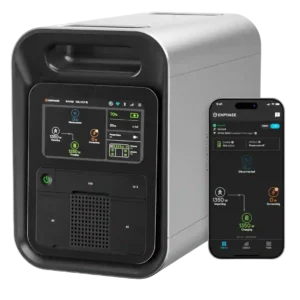
Cooling fans stay impressively quiet even under heavy loads, supporting comfortable indoor use.
Pros: rated output, output stability
Cons: runtime at full load, RV outlet
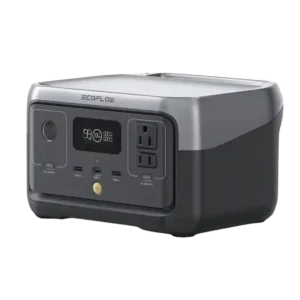
The fan and front-to-rear airflow keep the enclosure from becoming excessively hot, though they add noise and dust exposure.
Pros: surge capacity, output stability
Cons: dual-input charging, whole-home integration
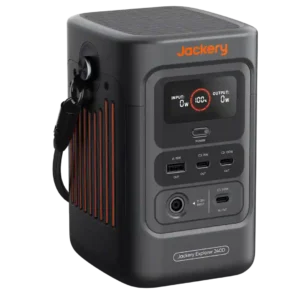
The station stayed cool during extended use in the available hands-on test, with only mild warmth under heavier loads.
Pros: power output, rated output
Cons: AC outlet count, repairability
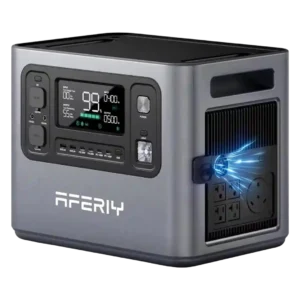
Cooling is highly effective, with low measured internal temperatures and good airflow even under heavy loads. Fan loudness depends on load and conditions.
Pros: rated output, peak output
Cons: app connectivity, voltage regulation
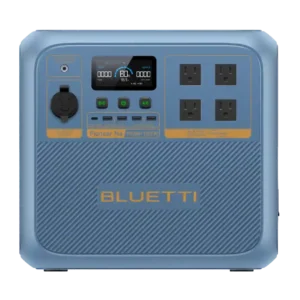
Cooling is a strength under normal conditions, with effective airflow and controlled temperatures during heavy loads. Moisture and ice around the fan area remain a separate outdoor-use concern.
Pros: pure sine wave output, startup performance
Cons: MPPT controller performance, battery expandability
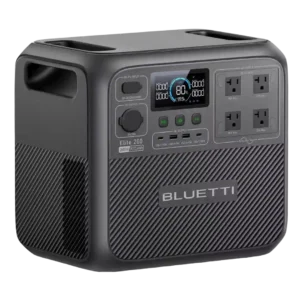
Cooling stays effective and remarkably quiet, with the case remaining controlled even during sustained high-output testing.
Pros: output stability, pure sine wave output
Cons: specification accuracy, startup reliability
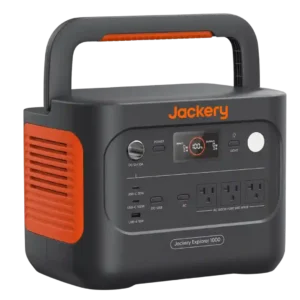
Cooling remains controlled even during rapid charging or heavy loads, with fans responding quickly and the case staying comparatively cool.
Pros: rated output, peak output
Cons: standby power loss, specification accuracy
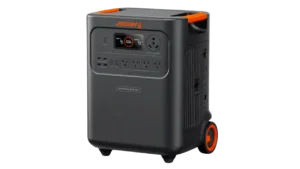
Cooling and thermal management generally performed well, including sustained-load tests where the unit stayed controlled without overheating issues.
Pros: output stability, voltage regulation
Cons: DC output, 12-volt outlet
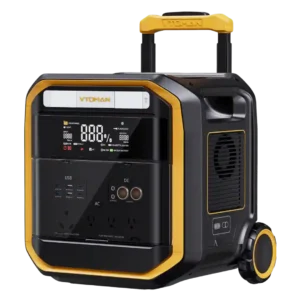
The inverter and fans manage heat well under heavy loads, staying stable and activating cooling only when needed.
Pros: power output, surge capacity
Cons: specification accuracy, peak output
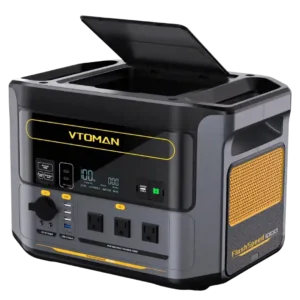
Large side vents and active fans cool the station effectively under demanding loads, though the fans can become audible.
Pros: inverter quality, power quality
Cons: Wi-Fi connectivity, weather resistance
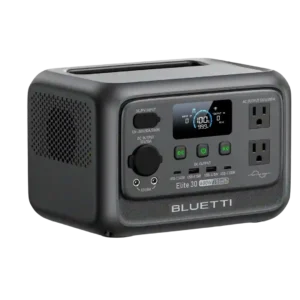
Cooling behavior is described as intelligent and unobtrusive. The fan manages demanding loads without dominating the room.
Pros: rated output, output stability
Cons: over-voltage protection, cold-weather performance
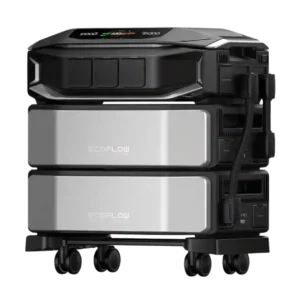
Passive heat-sink design helps the Ultra X stay remarkably quiet while managing a very large inverter, and reviewers do not report cooling trouble in their high-load testing.
Pros: output stability, voltage regulation
Cons: solar cable compatibility, UPS functionality
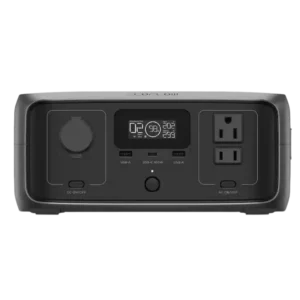
The fan runs infrequently and quietly under normal loads while maintaining stable temperatures.
Pros: noise level, idle noise
Cons: self-discharge rate, air travel suitability
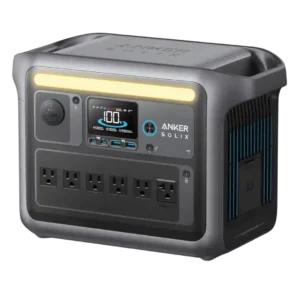
Cooling keeps the electronics under control, but the small fans work hard during fast charging and heavy loads. External airflow can noticeably reduce temperature.
Pros: power output, rated output
Cons: dual-input charging, cable storage
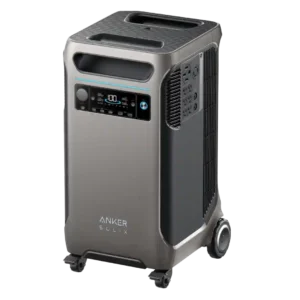
Large, slow fans generally manage heat quietly and effectively, though their cycling can feel unpredictable.
Pros: rated output, output stability
Cons: car charging speed, USB-A ports
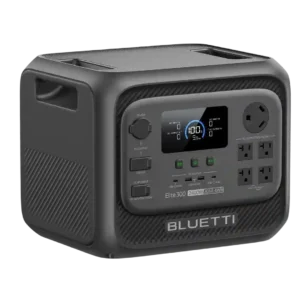
Cooling is mostly effective, including successful heat-soak testing, but one maximum-output test made the fan work harder and more erratically than expected.
Pros: surge capacity, voltage regulation
Cons: water resistance, ventilation requirements
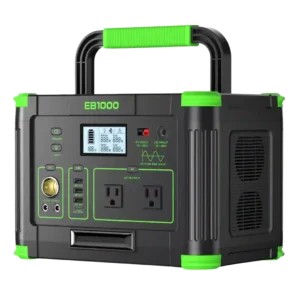
Cooling is effective in normal descriptions, but owner reports range from quiet dual fans to failed fans and noisy bearings, making consistency a concern.
Pros: rated output, output stability
Cons: battery expandability, startup reliability
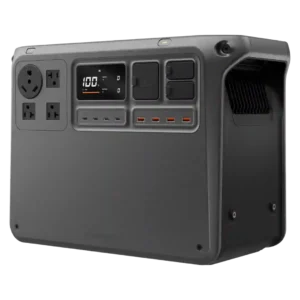
Cooling is usually effective and quiet, but sustained maximum output can trigger loud fans or require a cooldown before recharging.
Pros: rated output, peak output
Cons: startup reliability, full-load noise
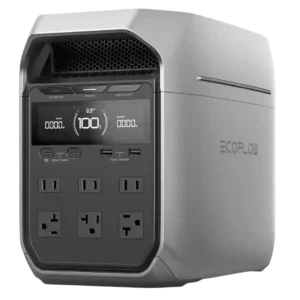
Cooling is the most divisive area. Some units stay cool and quiet under strain, while others cycle fans incorrectly and reach unsafe internal temperatures.
Pros: rated output, peak output
Cons: 30-amp output, parallel operation support
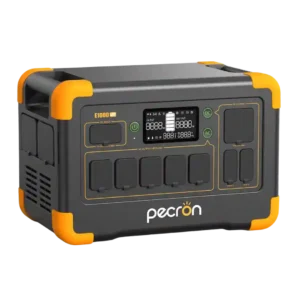
Cooling results conflict sharply: several units stayed cool with smooth, quiet fan control, while one sample overheated repeatedly and required long cooldown periods.
Pros: inverter quality, LiFePO4 battery
Cons: idle noise, built-in light
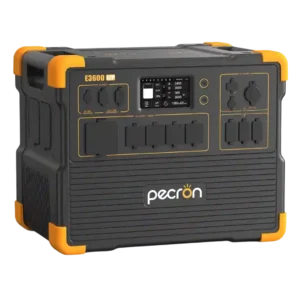
Cooling performance varies widely: some fans are quiet and effective, while others are loud, grind, or accompany solar-board overheating.
Pros: power output, rated output
Cons: output stability, voltage regulation