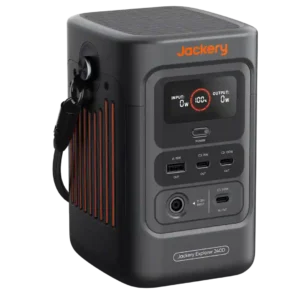
The station stayed cool during extended use in the available hands-on test, with only mild warmth under heavier loads.
Pros: power output, rated output
Cons: AC outlet count, repairability

The station stayed cool during extended use in the available hands-on test, with only mild warmth under heavier loads.
Pros: power output, rated output
Cons: AC outlet count, repairability
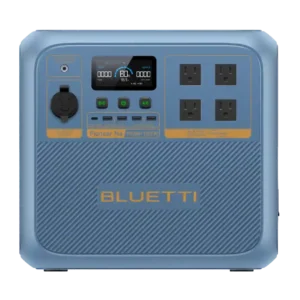
Cooling is a strength under normal conditions, with effective airflow and controlled temperatures during heavy loads. Moisture and ice around the fan area remain a separate outdoor-use concern.
Pros: pure sine wave output, startup performance
Cons: MPPT controller performance, battery expandability
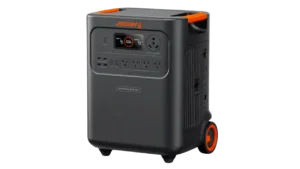
Cooling and thermal management generally performed well, including sustained-load tests where the unit stayed controlled without overheating issues.
Pros: output stability, voltage regulation
Cons: DC output, 12-volt outlet
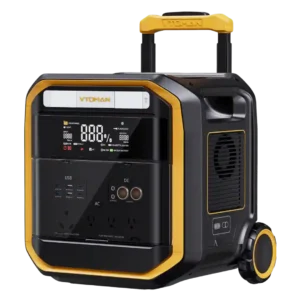
The inverter and fans manage heat well under heavy loads, staying stable and activating cooling only when needed.
Pros: power output, surge capacity
Cons: specification accuracy, peak output
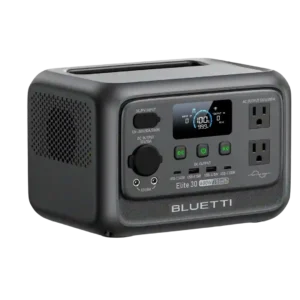
Cooling behavior is described as intelligent and unobtrusive. The fan manages demanding loads without dominating the room.
Pros: rated output, output stability
Cons: over-voltage protection, cold-weather performance
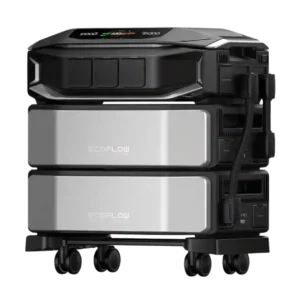
Passive heat-sink design helps the Ultra X stay remarkably quiet while managing a very large inverter, and reviewers do not report cooling trouble in their high-load testing.
Pros: output stability, voltage regulation
Cons: solar cable compatibility, UPS functionality
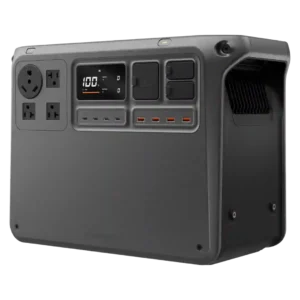
Cooling is usually effective and quiet, but sustained maximum output can trigger loud fans or require a cooldown before recharging.
Pros: rated output, peak output
Cons: startup reliability, full-load noise
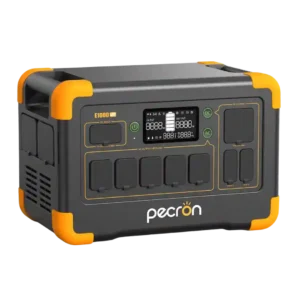
Cooling results conflict sharply: several units stayed cool with smooth, quiet fan control, while one sample overheated repeatedly and required long cooldown periods.
Pros: inverter quality, LiFePO4 battery
Cons: idle noise, built-in light