Best for charging input compatibility
Anker Solix C1000
5.0 feature score
Highest scored product for this feature based on supporting review evidence.

Highest scored product for this feature based on supporting review evidence.
Balances feature score, supporting reviews, and overall product strength.
Has the broadest review evidence for this feature.
Strongest overall product among items with scored evidence for this feature.
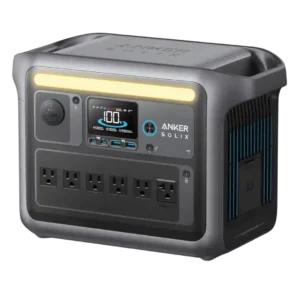
AC, solar, and vehicle inputs provide flexible charging options. Cable and connector choices can require adapters with some third-party panels.
Pros: power output, rated output
Cons: dual-input charging, cable storage
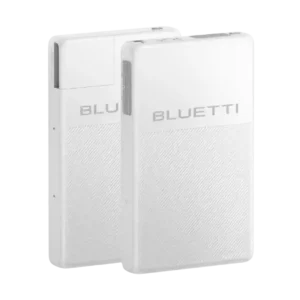
The XT60 input accepted a broad 12–60V range and worked with solar, batteries, and Bluetti vehicle chargers. Higher-voltage sources are needed for faster charging.
Pros: power output, rated output
Cons: USB-A ports, 12-volt outlet
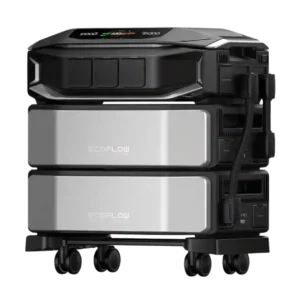
The Ultra X accepts a broad mix of charging sources, including ordinary AC, high-current outlets, EV charging circuits, solar, and generators, giving owners considerable flexibility in how they replenish the...
Pros: output stability, voltage regulation
Cons: solar cable compatibility, UPS functionality
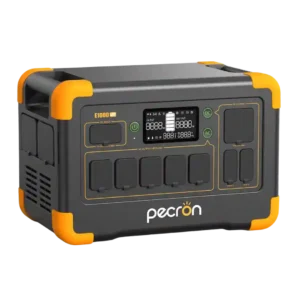
The selectable 8A/20A DC input is unusually flexible, accommodating car charging, direct batteries, and varied solar configurations when used with the correct wiring.
Pros: inverter quality, LiFePO4 battery
Cons: idle noise, built-in light
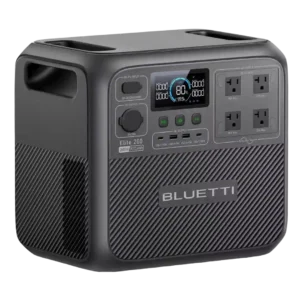
The universal XT60-based input and support for AC, solar, car, and combined charging give users flexible, non-proprietary options.
Pros: output stability, pure sine wave output
Cons: specification accuracy, startup reliability
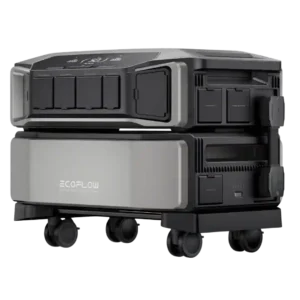
The DPU can recharge from several sources, including wall power, solar, generators, and compatible EV charging. That redundancy is a major advantage during extended outages, though some smart-generator features are...
Pros: power quality, simultaneous device support
Cons: battery percentage accuracy, firmware updates
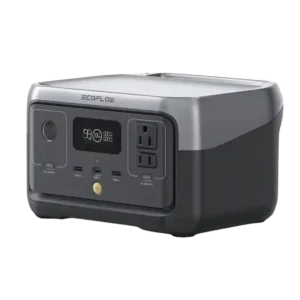
AC, car, solar, and bidirectional USB-C make charging unusually flexible, but failed ports and modified-sine inverter incompatibility appear in isolated reports.
Pros: surge capacity, output stability
Cons: dual-input charging, whole-home integration
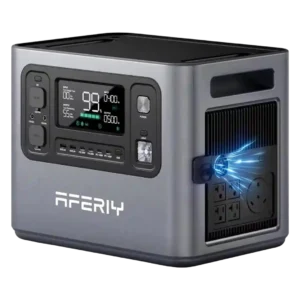
Dual XT90 inputs offer excellent flexibility for solar, batteries, and vehicle charging, but the 55V ceiling restricts series-panel configurations and requires careful array planning.
Pros: rated output, peak output
Cons: app connectivity, voltage regulation
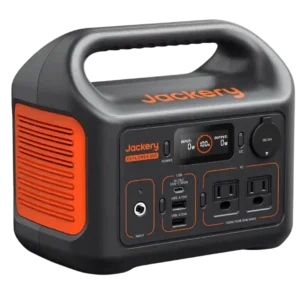
Charging flexibility is generally strong through AC, car, USB-C and solar, but proprietary connectors and a few finicky input experiences reduce universality.
Pros: output stability, voltage regulation
Cons: battery expandability, water resistance
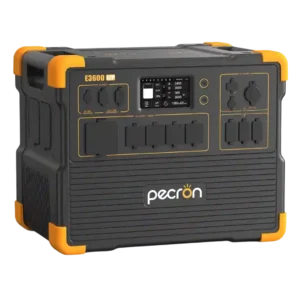
The station accepts several charging sources and high input power, but its proprietary AC connector prevents use of a standard household cord.
Pros: power output, rated output
Cons: output stability, voltage regulation
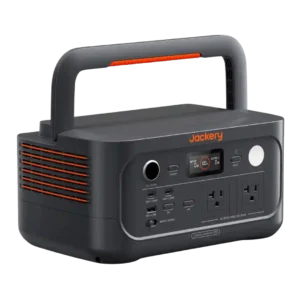
The DC8020 input is less common than XT60-style standards, but readily available adapters reduce some of the inconvenience.
Pros: output stability, pure sine wave output
Cons: remaining runtime estimate, Bluetooth connectivity
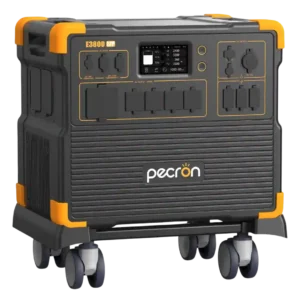
The broad voltage range is useful, but XT60-only primary solar inputs can require adapters for existing MC4 or Anderson setups.
Pros: surge capacity, output stability
Cons: app connectivity, idle noise
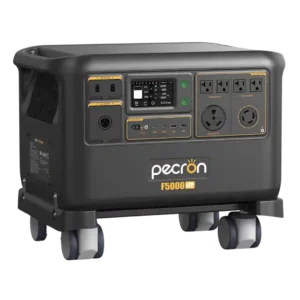
The biggest charging limitation is the lack of 240V AC input, repeatedly called out because output can reach 240V while AC charging remains capped at 120V/3,600W. A DIY battery test...
Pros: power output, output stability
Cons: firmware updates, built-in light
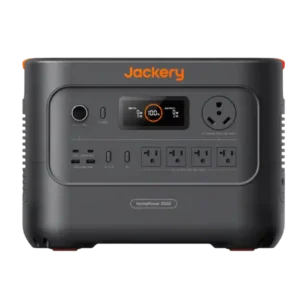
Charging flexibility is broad in theory, but the proprietary DC8020 solar input makes third-party panel integration unnecessarily difficult.
Pros: power output, rated output
Cons: battery expandability, car charging speed
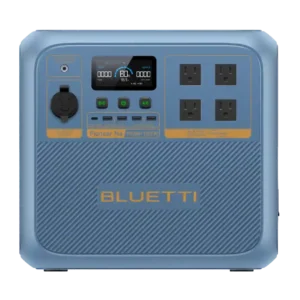
The older barrel-style solar/DC connector is a recurring gripe. It works, but reviewers prefer more modern, durable connectors and dislike needing adapters.
Pros: pure sine wave output, startup performance
Cons: MPPT controller performance, battery expandability
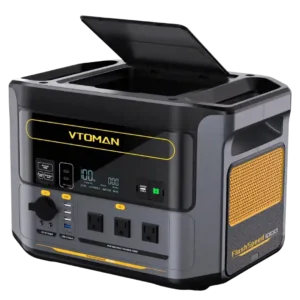
Charging flexibility is uneven: the fixed 700W AC rate cannot be reduced, and one technical test advised avoiding a particular 12V barrel input.
Pros: inverter quality, power quality
Cons: Wi-Fi connectivity, weather resistance
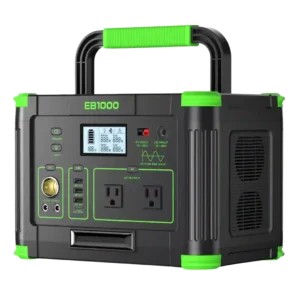
Charging input flexibility is limited by the missing Anderson solar connectors, although the supplied lead can still use the main power port.
Pros: rated output, output stability
Cons: battery expandability, startup reliability
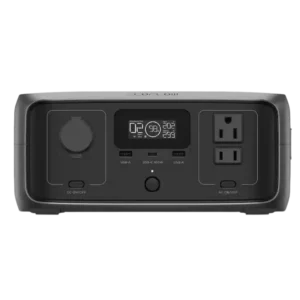
Charging-source flexibility is a weak spot: the unit cannot recharge through USB-C, may require specific solar cabling, and rejected one vehicle’s stepped-sine AC outlet.
Pros: noise level, idle noise
Cons: self-discharge rate, air travel suitability