
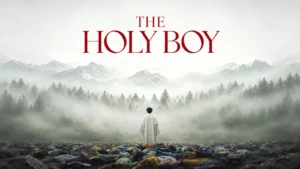
The Holy Boy Feature Scores
Overall Scorata score: 4.5/5
Based on 25 analyzed reviews · View source samples
Explore all 63 feature scores for The Holy Boy, organized into pros and cons.
Scores by Feature
Summary
63 reviewed features-
Very positive 4.5-5.043 (68%)
-
Positive 3.5-4.413 (21%)
-
Neutral 2.5-3.43 (5%)
-
Negative 1.5-2.44 (6%)
Pros
Sort
-
Grief, exploitation, faith and compulsory happiness give the horror substantial moral weight. The treatment of grief can feel familiar, but the teenager’s predicament brings fresh complexity.
-
The performances ground the supernatural horror in recognizable emotion, especially the young lead’s ability to communicate anguish, desire and uncertainty.
-
The film avoids straightforward heroes and villains: the boy’s gift can become a curse, and both protectors and worshippers can exploit him.
-
The isolated Alpine setting, artificial cheerfulness and oppressive visual mood create persistent dread. One critic found the locations insufficiently atmospheric, particularly later in the film.
-
The film’s cautionary message is that avoiding pain at another person’s expense can destroy empathy and autonomy.
-
The film thoughtfully examines a teenager exploited by adults who prioritize their own relief over his independence and emotional welfare.
-
The leads bring vulnerability, weariness and ambiguity to the central relationship. Feltri’s debut is especially admired, while Riondino’s guarded teacher is compelling to many but distancing to some.
-
The film is strongest when it examines why grief must be experienced rather than simply erased. One dissenting view finds that message familiar within contemporary horror.
-
Moody shadows, desaturated Alpine vistas and wide-angle imagery turn an inviting village into an oppressive setting. The contrast between beauty and unease is a recurring strength.
-
Strippoli builds menace out of everyday kindness and religious ritual, allowing moral questions to drive the horror. Some critics find his restraint overly calculated or the climax too choreographed.
-
The village’s refusal to confront its losses makes collective complicity a particularly effective source of horror.
-
The film earns dread through atmosphere and psychological tension rather than constant jump scares. A few viewers find the conventional scares limited or the later horror less convincing.
-
Religious ritual is used to explore blind faith, exploitation and the search for relief from pain. The film questions how worship can be distorted into a system of communal control.
-
Striking Alpine imagery and sophisticated, often restrained visual choices build a contrast between beauty and dread. Not everyone felt the setting had enough dramatic presence.
-
Most find the explosive finale shocking, emotionally powerful and satisfying after the slow buildup. Others find its elaborate staging chaotic, abrupt or less effective than the early atmosphere.
-
Folk horror, psychological drama and supernatural elements reinforce one another, with the horror growing out of the characters’ grief and communal behavior.
-
The score draws on liturgical textures, lyrical passages and distorted, nerve-tightening sounds to underline the village’s spiritual unease.
-
The supernatural powers raise unsettling questions about consent, bodily autonomy and the ethics of using another person for emotional relief.
-
Matteo’s isolation, desires and ambiguous powers make him compelling. Sergio’s development divides critics: some find his damaged paternal instincts moving, while others find his backstory shallow.
-
Most critics regard this as a strong example of thoughtful supernatural and psychological horror, even if some consider it less original than the genre’s best.
-
Queer desire and the pressure of repression are integrated into Matteo’s experience, giving the horror a more human and personal dimension.
-
The screenplay ties the uncanny premise to credible human behavior and explores moral ambiguity through Matteo. Sergio’s characterization and the familiar grief allegory are less consistently successful.
-
The central relationship and the treatment of loss create genuine emotional weight, especially as the story reaches its tragic climax.
-
The mystery of the village and its unusual teenager creates an intriguing reason to keep watching.
-
Tension accumulates as the village’s cheerful facade begins to crack. Most find the slow buildup effective, although one critic felt the suspense dissipated in the final hour.
-
The film puts its own spin on familiar folk and adolescent horror motifs. Several critics see a distinctive voice, while others feel borrowed ideas keep it short of greatness.
-
The paternal relationships explore how grief, protection and expectations can become forms of control.
-
The unsettling opening establishes a disturbing tone and makes the later mystery compelling.
-
The sound design stands out for its ability to move from quiet unease to pounding, stressful intensity.
-
The disturbing premise, psychological weight and shocking finale leave a lasting impression.
-
The later revelations and violence catch some viewers off guard despite the familiar horror setup.
-
The supporting ensemble is praised for bringing the controlling father and villagers to life, with strong performances that reinforce the uneasy central relationship.
-
The village’s enforced happiness becomes a pointed critique of modern pressure to maintain a positive facade at any cost.
-
A supernatural premise about removing pain becomes a richly interwoven story of grief and adolescence. One critic felt the later developments failed to deliver on the opening’s promise.
-
The film earns favorable recommendations overall, even from critics who find it falls short of the year’s very best horror.
-
The demonic motifs reinforce the allegory. The parrot is used as a meaningful metaphor for captivity.
-
The film uses gradual revelations and escalating consequences effectively, although its later structure can feel overstuffed.
-
The deliberate pace lets the town’s sinister customs and relationships develop before the horror erupts. Several critics nevertheless felt the film lingered too long on Sergio or took too long to accelerate.
-
The central pair has a compelling, unstable connection.
-
Casting an untrained actor gives Matteo raw presence.
-
Thoughtful dramatic material elevates the horror.
-
Editing conveys Sergio's dislocation.
-
Regret is a stirring part of the story.
-
Matteo's loneliness becomes palpable.
-
Subtle makeup effectively suggests the cost of Matteo's gift.
-
The film exceeds the trailer's promise.
-
The story meaningfully examines paternal control and masculinity.
-
The fictional village feels plausible.
-
Sexual identity is handled as a compelling human struggle.
-
The community rather than a lone villain is an effective source of horror.
-
The restrained gore is a welcome alternative to splatter horror.
-
Matteo and the peculiar villagers are particularly engaging; Sergio’s flawed, grieving character is more divisive.
-
The teacher's gym class scenes provide welcome comedy.
-
Sergio's interest humanizes Matteo and creates a genuine connection.
-
The supernatural powers reveal the experience of adolescent outsiders.
-
The village's mythology is effectively developed through the outsider.
Cons
Sort
-
The roughly two-hour running time gives the story room to develop, but several critics felt it could have been trimmed by around fifteen minutes or more.
-
Repetition undermines the running time.
-
Most of the plot is too predictable.
-
The finale's tone clashes with the rest of the movie.
-
Dim lighting contributes to the claustrophobic atmosphere, but some nighttime scenes are frustratingly hard to see.
-
Cozy interiors contrast effectively with horror. The church design lacks atmosphere.
-
The Italian title fits the story’s ironic village motto, while the English title is criticized by one viewer for being too literal.
Use Cases
Best for
Sort
-
Folk and psychological horror fans are likely to enjoy the eerie community, disturbing premise and thematic depth. Those wanting a straightforward scare-heavy ride may find the slower character focus demanding.
-
The sinister isolated village, ritualized faith and gradual exposure of communal secrets make this a strong choice for folk-horror fans.
-
The film rewards horror viewers interested in moral questions and human vulnerability rather than constant scares or gore.
-
Matteo’s struggle for independence and identity gives the supernatural premise a grounded, compelling coming-of-age dimension.
-
Patient horror viewers are rewarded with gradual character development, sustained unease and a payoff that most critics find worthwhile.
-
The character study and questions about repression, grief and autonomy make the film particularly rewarding for psychological-drama viewers.
-
The story connects communal exploitation and compulsory happiness with recognizable contemporary pressures, including curated social-media positivity.
-
The art-horror approach shows strong promise.
-
The grief themes translate well across cultures.
-
Psychology students can explore groupthink and autonomy.
-
The film may help viewers reflect on grief and healing.
-
The village depiction offers cultural interest.
-
The provocative themes encourage discussion.
-
Queer studies audiences may value the portrayal of identity.
-
Its portrayal of faith, blind devotion and exploitation offers relevant material for religion courses, though its treatment of religious authority may provoke disagreement.
-
The story of parental control can resonate with teenagers.
Conditional or not ideal for
Sort
-
Jump-scare-focused viewingThere is an especially well-executed jump scare, but conventional jump scares are scarce and the film relies more on conceptual dread.
-
Scare-sensitive viewingSustained terror offers little respite for scare-sensitive viewers.
-
Stress-sensitive viewingThe relentless tension offers little relief for stress-sensitive viewers.
Cast & Creators
-
DirectorStrippoli is admired for turning familiar folk-horror elements into an unsettling moral allegory and for his control of mood. Some critics find his deliberate approach overly measured or his late staging too controlled.
-
Sergio RossettiRiondino conveys Sergio’s grief through a weary physical presence and gradual flashes of empathy. Many find his vulnerability compelling, although the guarded portrayal can make the character harder to connect with.
-
MatteoFeltri’s debut is repeatedly singled out for its raw presence, expressive eyes and ability to balance adolescent vulnerability with unsettling ambiguity.
-
CinematographerDi Nicola’s brooding shadows, desaturated mountains and luminous exterior photography make the village simultaneously inviting and oppressive.
-
WriterThe screenplay contribution is praised for integrating supernatural horror with moral complexity and a nuanced adolescent character.
-
WriterThe writing is praised for blending credible reality, supernatural unease and moral questions without reducing Matteo to a simple horror archetype.
-
ComposerThe music is praised for its liturgical character, emotional texture and ability to tighten the nerves without announcing every shock.
-
ComposerThe score is admired for its soulful textures and liturgical overtones, moving from comforting passages to unsettling sounds.
-
Mauro CorbinPierobon is praised as a formidable controlling father and part of a strong supporting cast.
-
MichelaHer supporting performance makes Michela an appealing link between Sergio and the village’s unnerving customs.
-
EditorThe editing effectively conveys Sergio’s dislocation and confusion.
-
ActorHis contribution is praised as part of the film’s strong supporting ensemble.