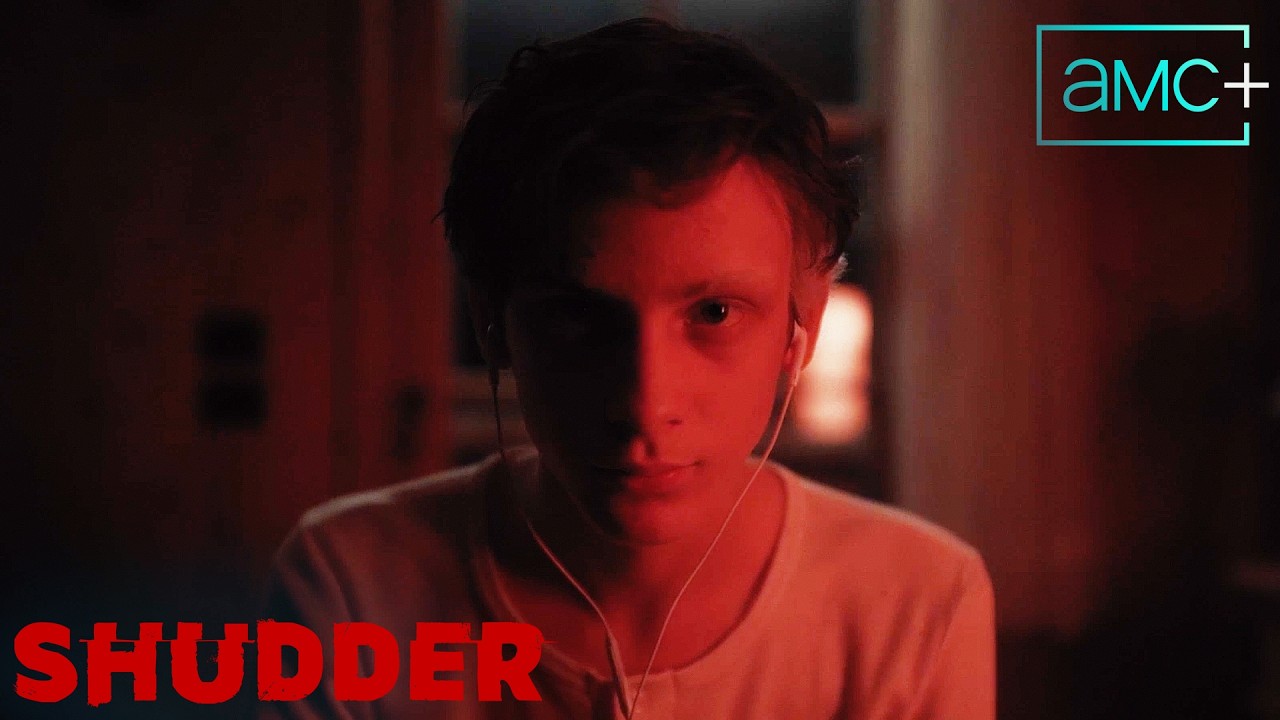
The Holy Boy turns an unnervingly cheerful village into thoughtful, atmospheric horror about grief, with an outstanding debut performance. Its deliberate pacing and divisive finale may frustrate viewers seeking a brisker scare.
Viewers who want frequent jump scares or brisk, straightforward horror may find the deliberate buildup frustrating; the oppressive tension also offers little relief for scare-sensitive viewers.
Verdict
The Holy Boy is strongest when it transforms an apparently comforting miracle into a disturbing exploration of grief, consent and communal selfishness. Giulio Feltri brings remarkable vulnerability and ambiguity to Matteo, while Michele Riondino gives the grieving teacher an emotional weight that makes their relationship compelling for many critics. The Alpine setting, moody cinematography and distinctive soundscape sustain a sense of unease without relying on constant jump scares. The film also draws on familiar supernatural and folk-horror traditions, which some critics feel limit its originality. Its 122-minute runtime can feel overextended, especially when Sergio’s backstory takes center stage. The finale is widely praised for its shocking payoff, although a minority find it excessively elaborate or tonally disconnected. It is especially rewarding for patient horror fans who value difficult moral questions as much as scares.
Content guidance
Scorata recommended age16+
Disturbing supernatural horror includes suicide, bloody violence, coercion, alcohol misuse, sexual situations and brief nudity. The themes of exploitation and grief are intense.
Grief, exploitation, faith and compulsory happiness give the horror substantial moral weight. The treatment of grief can feel familiar, but the teenager’s predicament brings fresh complexity.
Most find the explosive finale shocking, emotionally powerful and satisfying after the slow buildup. Others find its elaborate staging chaotic, abrupt or less effective than the early atmosphere.
Strippoli builds menace out of everyday kindness and religious ritual, allowing moral questions to drive the horror. Some critics find his restraint overly calculated or the climax too choreographed.
The film earns dread through atmosphere and psychological tension rather than constant jump scares. A few viewers find the conventional scares limited or the later horror less convincing.
The film is strongest when it examines why grief must be experienced rather than simply erased. One dissenting view finds that message familiar within contemporary horror.
The isolated Alpine setting, artificial cheerfulness and oppressive visual mood create persistent dread. One critic found the locations insufficiently atmospheric, particularly later in the film.
The roughly two-hour running time gives the story room to develop, but several critics felt it could have been trimmed by around fifteen minutes or more.
Horror fan viewing: 4.7, 11 reviews, strong consensus
Folk and psychological horror fans are likely to enjoy the eerie community, disturbing premise and thematic depth. Those wanting a straightforward scare-heavy ride may find the slower character focus demanding.
Paolo Strippoli: 4.6, 19 reviews, moderate consensus
Strippoli is admired for turning familiar folk-horror elements into an unsettling moral allegory and for his control of mood. Some critics find his deliberate approach overly measured or his late staging too controlled.
Riondino conveys Sergio’s grief through a weary physical presence and gradual flashes of empathy. Many find his vulnerability compelling, although the guarded portrayal can make the character harder to connect with.
Feltri’s debut is repeatedly singled out for its raw presence, expressive eyes and ability to balance adolescent vulnerability with unsettling ambiguity.
Compared with other Movies, this product is above average in marketing accuracy, Consent and relationship ethics, violence level, near average in lead performance, Complicity and denial, below average in production design, tonal consistency, lighting quality.
SimilarAlso explores the consequences of escaping painful memories.
SimilarAlso explores accepting the past rather than denying it.
Carrie
SimilarServed as a supernatural horror inspiration.
SimilarProvides a recognizable precedent for a teenager's dark psychic abilities.
SimilarSimilarly features an isolated teenager rejected by peers.
Get Out (2017)
WorseHas less developed human and narrative subtext.
SimilarEvokes a similar communal horror dynamic.
SimilarShares sophisticated visuals and escalating horror.
FAQ
Is The Holy Boy a slow-burn horror film?
Yes. It develops its characters and village mystery gradually, building toward a more violent and frantic finale.
Is it mainly about religious horror?
Religious ritual is central, but the story also explores grief, exploitation, consent and the dangers of avoiding pain.
Are there many jump scares?
Jump scares are relatively infrequent. The horror relies more on oppressive atmosphere, psychological tension and unsettling supernatural developments.
How good are the performances?
Giulio Feltri’s debut earns particular praise for expressing anguish and ambiguity, while Michele Riondino is widely admired for conveying grief and vulnerability.
Does the ending pay off?
Most critics find the climax shocking and satisfying, although some feel its elaborate staging loses the atmosphere of the first half.
Is it suitable for younger viewers?
It contains disturbing themes, violence, sexual situations and brief nudity, making it better suited to mature teenagers and adults.
Sample Expert Reviews We Analyzed
These are a few of the reviews included in our analysis.
A deeply human coming-of-age drama carried by remarkable performances and an honest portrayal of grief. Its gentle optimism moves most viewers, though some find the final stretch hurried or overly...
Billie Jean King’s magnetic first-person storytelling makes this an exhilarating portrait of athletic courage and social change. The filmmaking follows a familiar documentary structure, and her full tennis résumé gets...
Choose this inventive, unsettling documentary for fearless questioning, dark humor, and unpredictable storytelling. Skip it if you want a short, straightforward exposé with definitive answers.
A singular voice, powerful piano playing and intimate film photography make this concert absorbing for receptive listeners. Its uninterrupted, often similar-sounding songs and lack of background context are an acquired...