
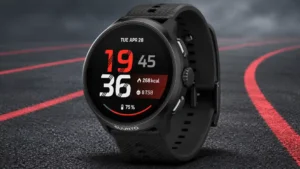
Suunto Run 2 Feature Scores
Overall Scorata score: 4.0/5
Based on 26 analyzed reviews · View source samples
Explore all 77 feature scores for Suunto Run 2, organized into pros and cons.
Scores by Feature
Summary
77 reviewed features-
Very positive 4.5-5.021 (27%)
-
Positive 3.5-4.426 (34%)
-
Neutral 2.5-3.415 (19%)
-
Negative 1.5-2.413 (17%)
-
Very negative below 1.52 (3%)
Pros
Sort
-
The slim, lightweight body and generally comfortable strap make the watch pleasant to wear through long workouts and sleep.
-
Workout data and route lines remain easy to read in bright sunshine, including exposed paths and harsh midday glare.
-
Dual-band GPS produces strong distance and route results for most road runs and rides. Dense trees, buildings, fast mountain descents and open-water swims can introduce noticeable errors.
-
The featherweight body sits close to the wrist and is notably less bulky than larger endurance watches.
-
The understated Nordic case, metallic bezel and colorful straps give the watch a distinctive, premium sports-watch appearance.
-
The redesigned wrist sensor is a substantial improvement, often matching chest straps during running and intervals. Outdoor cycling, upper-body lifting and occasional unexplained spikes remain weak points for some users.
-
Free offline maps add useful terrain context and make route following far better than breadcrumbs alone. Street labels, advanced climb tools and automatic rerouting are generally limited.
-
The brighter screen, improved sensor and offline maps represent a meaningful upgrade, although the higher price is harder to justify if those features are unnecessary.
-
The 2,000-nit peak is generally more than sufficient outdoors, though some similarly priced rivals go brighter and the minimum setting can be harsh at night.
-
The case feels solid and more premium than many plastic-heavy competitors while keeping weight low.
-
The sharp AMOLED panel provides crisp workout figures and clear maps, with a significant brightness improvement over the first Run.
-
Distance and workout measurements generally hold up well against competing devices, particularly for land-based cardio. Swimming, wrist-heavy lifting and some wellness measurements are less consistent.
-
Running modes are extensive and there is useful multisport, cycling and gym coverage. The roughly 35 modes and simpler triathlon tools trail the Race models.
-
Menus and scrolling are noticeably smoother than earlier Suunto watches. Some wake-up and page-specific lag still occurs.
-
The app is rich in route planning, detailed activity graphs and customizable dashboards. Its navigation earns praise, while jargon-heavy training information and some restrictions make it less polished.
-
Clear maps and off-route alerts make routes easy to follow. Navigation is less sophisticated than on fully routable maps, particularly for replanning and street detail.
-
The keyed magnetic puck is a welcome improvement, particularly for flat charging. Some testers found it easy to dislodge or disliked carrying a separate cable.
-
Several days between charges is realistic, often about four to seven with regular exercise. Always-on display and maps reduce runtime, and low-battery GPS estimates can be unreliable.
-
Adaptive coaching, virtual pacing and structured workouts add real training value. The AI plans are still evolving and not every athlete finds them convincing.
-
A steel bezel, Gorilla Glass and polymer construction deliver a premium feel without flagship weight; some testers would still prefer tougher glass or less plastic.
-
Core coaching and app features can be used without an additional monthly subscription.
-
Touch controls feel responsive and smooth, a notable improvement over older Suunto models.
-
The low-profile case fits well on a range of wrists, although the band keeper can compromise an otherwise secure fit.
-
Maps pan and zoom smoothly, with relatively little delay when moving between sections.
-
The rotating crown and tactile buttons are appreciated during sweaty workouts. Some users would prefer extra buttons, consistent start/stop controls or one-press lap recording.
-
The crown, grouped activities and widgets make navigation fairly straightforward, although some familiar actions are moved to different buttons and menus can take adjustment.
-
The removable silicone strap is soft and stretchy, but multiple testers experienced the keeper or clasp popping loose. Others found its fastening secure.
-
Support for cycling power meters and compatible chest straps expands the watch’s usefulness for serious training.
-
Overnight HRV readings aligned closely with other trackers in the reported comparisons.
-
The clean, thoughtfully designed packaging makes a strong first impression.
-
Initial Bluetooth pairing was quick and trouble-free in the reported setups.
-
The 4GB model is usually sufficient for local maps; 64GB is useful for extensive regions and audio libraries. Some testers question the large gap between configurations.
-
Pace and distance are often responsive and consistent, but one tester found lap pace unstable at the beginning of a lap.
-
The interface is clean and responsive, but its navigation conventions and presentation are not always as intuitive as competing watches.
-
The updated charger shares the newer Suunto magnetic design according to several testers, but the original Run cable is incompatible and one account described it as model-specific.
-
The lightweight construction feels durable for regular workouts and light trails, though rocky outings may warrant a screen protector.
-
Initial setup is generally easy, although installing maps and learning some software conventions can take extra effort.
-
Workout screens and lap displays make important pacing and effort information easy to see, although some layouts and manual-lap requirements limit flexibility.
-
Installing maps is straightforward for several users, but first-time Wi-Fi setup can be confusing.
-
Bluetooth headphone pairing worked reliably with the tested Apple and Anker headphones.
-
Different activity segments combine seamlessly into one workout with both individual and combined statistics.
-
Morning and weekly reports make the data already collected by the watch more convenient to review.
-
Widgets, faces and button shortcuts offer useful personalization, but certain settings can only be changed in the app or on the watch and some data fields are locked.
-
Elevation profiles broadly align with other devices, but sweat and occasional offsets can produce incorrect ascent totals.
-
The silicone band is straightforward to clean after sweaty workouts.
-
The watch offers a useful collection of health and fitness trends that can help put training and recovery into context.
-
Sleep mode dims the screen appropriately, but occasional lost sleep schedules undermine its consistency.
Cons
Sort
-
Everyday smartwatch extras trail rivals: music streaming, payments and broader app support are missing, even though basic phone controls are available.
-
Step totals tend to be understated, sometimes substantially even during running. It is a poor choice if accurate daily step counts are important.
-
The absence of wrist payments is particularly frustrating for runners who want to leave their phone behind and still buy refreshments or transport.
-
Offline playback is limited to manually loaded audio files; there is no native Spotify or other streaming service integration.
-
Reported problems include incomplete charging, incorrect battery estimates, always-on display glitches and sleep-schedule bugs. Experiences vary.
-
Local audio storage enables phone-free listening, especially on the 64GB model. Manually transferring audio files is less convenient than streaming-service downloads.
-
The Suunto ecosystem has useful training tools, but the Run 2 cannot access the SuuntoPlus sports app store available on pricier models.
-
The remaining-runtime display can substantially overestimate how much GPS recording time is left, especially at low battery levels.
-
The separate Run software platform is faster than before, but its differences from other Suunto watches, missing integrations and occasional bugs are frustrating.
-
Phone notifications can be inconsistent and interactions are limited, making them less useful than on more fully featured smartwatches.
-
EnergySense offers a promising live endurance estimate, but its pace-based behavior on hills and uncertain usefulness make it best treated as rough guidance.
-
The heat-strain estimate is limited by its reliance on ambient conditions rather than actual core temperature.
-
A tester could not access the advertised EnergySense feature during testing, despite expecting to try it.
-
Only one watch can be paired with the Suunto app at a time, making alternating between multiple watches inconvenient.
-
Estimated finishing times can be noticeably slower than actual performances, limiting their usefulness for pacing goals.
-
The display can take too long to reach full brightness after a wrist gesture, making quick workout glances less convenient.
-
The absence of more advanced safety and live-tracking tools is a disadvantage compared with Garmin alternatives.
-
The separate operating system raises concerns about future feature updates, although the original Run received meaningful updates over time.
-
Training load, recovery and progress data are comprehensive, but acronyms, inconsistent predictions and less actionable explanations make the insights harder to use.
-
Phone media controls are handy in principle but can be unreliable about recognizing active playback.
-
The screen-based flashlight is adequate for small nearby tasks but cannot replace a dedicated LED flashlight.
-
Wireless map transfer works smoothly, but large regions may take hours to download.
-
Haptic feedback is useful, but its timing and alignment with on-screen elements are less polished than competing watches.
-
Sleep duration can be close to other trackers, but several testers found missed awakenings, late sleep starts or false naps. Sleep-stage results are less dependable than broad trends.
-
Charging typically takes around two hours, which is acceptable for routine weekly charging but slower than some alternatives.
-
Activity synchronization with services such as Strava and TrainingPeaks is useful, but externally authored structured workouts and additional sports apps are restricted.
-
Recovery and overnight HRV trends can help guide training decisions, though some recovery estimates conflict with training-load measures and lack clear actionable explanations.
-
There are attractive, useful faces and photo-based customization, but the overall selection and third-party face access are limited.
-
Custom workout screens and intervals are valuable, but fixed duration fields, duplicate profiles and app-only changes restrict flexibility.
-
Excellent tracking hardware and free maps offer substantial value, but the jump from the original Run makes lower-priced and more feature-rich rivals harder to ignore.
Use Cases
Best for
Sort
-
A light case, strong GPS and improved heart rate sensing make this an especially capable running watch, with useful workouts and race tools.
-
Wrist heart rate often follows interval surges well, and workouts are easy to build. Some testers still prefer a chest strap or find lap pace unstable.
-
The light build, clear offline maps and generally reliable tracking suit shorter trail runs. Technical terrain and long mountain events expose limitations in GPS, climb guidance and runtime.
-
The thin case and short lugs make it comfortable for many smaller wrists despite its 46mm diameter.
-
Dedicated triathlon and multisport support make the watch useful for cross-discipline training, although premium models offer more advanced transitions and swim tools.
-
Cycling distance and routes are generally strong, with useful power-meter support. Wrist heart rate can vary on outdoor rides, so a chest strap is prudent for demanding sessions.
-
A light case, clear pacing information and enough battery for marathon-distance events make it well suited to training and racing.
-
Straightforward setup and strong core tracking suit new runners, though training acronyms and the higher price can be intimidating.
-
Offline maps and stored music help runners leave their phones at home. Missing streaming and wrist payments reduce the appeal for those who depend on them.
-
Lightweight hardware and multiday battery life make overnight wear comfortable and practical.
-
Indoor rowing produced strong wrist heart-rate results even with movement and sweat.
-
Treadmill interval tests generally showed close agreement with reference heart-rate sensors.
-
Offline contour maps and route guidance worked well for mountain hiking, although automatic rerouting is unavailable.
-
The sports-focused interface and limited lifestyle extras appeal to runners who prefer training tools over phone-like distractions.
-
Offline maps provide valuable navigation for unfamiliar destinations and marathon travel, especially with enough storage for multiple regions.
Conditional or not ideal for
Sort
-
Budget-conscious buyersThe watch delivers strong features for its class, but the price increase means buyers seeking the lowest cost can often do better with competing watches or the original Run.
-
Smartwatch replacementIt works better as a sports watch than a full smartwatch replacement because payments, music streaming and other everyday conveniences are limited.
-
Advanced athletic trainingExperienced athletes get extensive training and sensor tools, but advanced analysis, external workouts and multisport capabilities are not as comprehensive as on premium alternatives.
-
UltramarathonsThe battery can cover many shorter ultras, but longer 100-mile events and sustained map navigation may require a longer-lasting watch.
-
Strength trainingLeg and core workouts can produce good heart-rate readings, whereas upper-body lifting frequently causes missed peaks. A chest strap is preferable for precision.
-
Gym workoutsThe watch handles many gym and mixed workouts, but optical heart rate is less reliable for upper-body movements and some machines.
-
Everyday wellness trackingLow step counts and inconsistent sleep tracking make it less convincing as a dedicated everyday wellness tracker.
-
SwimmingSwimming is supported, but testers reported significant distance errors and unreliable open-water tracks.
-
Office wearSport-oriented styling and faces may be less suitable for everyday dress or office settings.