
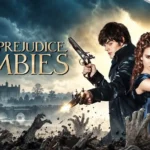
Pride and Prejudice and Zombies Feature Scores
Explore all 61 feature scores for Pride and Prejudice and Zombies, organized into pros and cons.
Scores by Feature
Summary
61 reviewed features-
Very positive 4.5-5.05 (8%)
-
Positive 3.5-4.421 (34%)
-
Neutral 2.5-3.425 (41%)
-
Negative 1.5-2.410 (16%)
Pros
Sort
-
Matt Smith’s comic Collins is the most frequent standout, with Charles Dance and Lena Headey also adding charm. Smaller roles are often underused, and Smith’s exaggerated manner does not work for everyone.
-
Lily James, Charles Dance, and Matt Smith are repeatedly singled out as strong choices. The capable ensemble sometimes feels wasted by limited roles or awkward storytelling.
-
Lily James is frequently praised for charisma, independence, and credible physical action. Sam Riley’s brooding Darcy inspires both admiration for his presence and criticism of his voice or limited warmth.
-
James and Riley often make a persuasive pair, especially when attraction and hostility overlap. Their chemistry does not always compensate for abbreviated romantic development.
-
The illustrated, pop-up-book opening is frequently a highlight, giving the alternate history an inventive visual introduction.
-
The period dresses and warrior accessories are widely admired for their beauty and detail. A few modern-looking choices and deliberate anachronisms receive qualifications.
-
The cast often sells the absurd premise by treating it sincerely, and several critics find the performances stronger than the material. Others hear stiff delivery or find the ensemble uneven.
-
The fortified estates, elegant interiors, and period detail are attractive strengths. A few viewers find the overall scale cheaper than the ambitious premise demands.
-
Matt Smith’s bumbling Collins and the deadpan contrast between manners and combat generate many of the strongest laughs. The repeated zombie joke can wear thin, and Smith’s broad approach irritates a minority.
-
Elizabeth’s independence and the sisters’ fighting skills give the women agency beyond marriage. Some critics nevertheless object to sexualized camera angles or find the empowerment derivative.
-
Period elegance and stylized contrasts produce several striking images. Other viewers see drab surroundings or a spectacle that falls short of the premise.
-
Period courtship and dress often feel convincing within the alternate history. Deliberate anachronisms are easier to accept when the film is approached as camp.
-
The high-society drama is often a surprisingly effective part of the film, with convincing courtship manners and solid performances.
-
The sisters’ training, teasing, and mutual support give the family a lively bond. Elizabeth and Jane’s relationship is a particular strength.
-
Austen’s familiar scenes gain inventive twists, and the plague’s imperial origins offer promising ideas. The added apocalypse conspiracy strikes other viewers as secondhand or insufficiently inventive.
-
A later viewing helps one Austen fan appreciate the cast and changes more fully. Even a highly critical viewer anticipates returning to this odd, entertaining movie repeatedly.
-
Sound effects receive praise, with the disc’s active surrounds giving fights and sudden gunshots extra force.
-
Dry, smooth narration helps establish the alternate history and its deadpan tone.
-
The Blu-ray’s DTS-HD Master Audio presentation earns exceptional praise for clean voices, active surrounds, and startling impact.
-
The Blu-ray picture offers abundant fine detail and a strong presentation of costumes and decaying faces, with a little visible grain.
-
The extras range from routine interviews and repetitive featurettes to amusing Collins outtakes. One retrospective viewer finds the deleted scenes valuable enough to change how the theatrical cut plays.
-
Familiar genre actors add presence and help the period setting feel more appealing.
-
The combination of digital and practical creature work earns qualified approval for its inventive grotesque details.
-
Mr. Bennet’s doting, fatherly presence adds warmth to the family.
-
Practical creature work contributes to an inventive mix with digital effects, producing memorable decayed faces.
-
The musical score receives a favorable assessment alongside the film’s photography.
Cons
Sort
-
Several critics find little genuine threat beneath the startles and routine rescues. Unclear action staging makes it harder to feel the stakes.
-
Some viewers struggle to care about the characters or believe the emotional turns. Familiarity with Austen can supply affection that the shortened film does not always earn itself.
-
The alternate history and zombie rules can be interesting, but exposition and competing plot strands often confuse. Muddled fights add another barrier to following events.
-
Fast cuts and clunky transitions repeatedly make fights hard to follow and interrupt momentum. An enthusiastic counterview praises the cutting, while a later viewer regrets the loss of useful deleted scenes.
-
The familiar courtship story can remain engaging in its new setting. The added zombie-war conspiracy often feels forced, overstuffed, or insufficiently developed.
-
Restrained gore is a recurring disappointment for horror fans who want stronger contrast with the polite period setting. Some squeamish Austen viewers welcome it, while family-focused criticism still finds the violence vicious.
-
Supporters find the film brisk and energetic. More critical viewers describe a dragging middle, abrupt shifts, or such frantic compression that relationships and lore never have room to develop.
-
Zombie-focused viewers repeatedly want more undead presence and sustained horror activity. Long stretches of courtship leave the monsters feeling secondary.
-
Some viewers find recognizable, lively Austen characters and an engaging heroine. Others see thin sisters, underused supporting roles, and too little of Darcy’s emotional growth.
-
Trailers can suggest a larger action spectacle or a grimmer movie than the finished film delivers. Its niche appeal also makes broad audience positioning difficult.
-
The final act divides viewers between an enjoyable action resolution and an unconvincing apocalypse detour. The mid-credits sequel tease is exciting to some and frustrating to others.
-
The weaker recommendations favor a rental over a theater trip. One critic prefers spending the time and money on the parody novel.
-
The drawing-room romance and zombie combat can make a delightful contrast, but their integration is the film’s central divide. Many find the literary side more convincing than the horror.
-
The exploding heads and unsettling imagery prompt concern that the violence stretches the limits of a PG-13 allowance.
-
Lush estates and candlelit interiors give the period drama visual appeal. The darker, tighter action photography draws recurring complaints about muddled staging and poor visibility.
-
Some admire the decayed faces and effective translation of the book’s undead look. Others find the designs artificial, lackluster, or unpleasantly lingering on grotesque details.
-
Turning apparently nonviolent zombies into dangerous creatures raises a concern about unnecessary harm, though the later attack plan complicates that judgment.
-
The sexualized framing of the sisters hiding weapons in their garters is criticized as crass.
-
Austen familiarity and enthusiasm for deadpan genre experiments improve the chances of enjoying this mashup. Viewers expecting relentless zombie carnage are often less satisfied.
-
Class, independence, and social exclusion supply promising material, and some find the new context meaningful. Others feel the film waters down Austen or abandons its most interesting moral questions.
-
The sincere, deadpan approach is delightful when courtship and zombie combat reinforce each other. For many, abrupt shifts and the late apocalypse plot expose a blend that never quite holds together.
-
The brisk running time suits some viewers, but compression can leave the story feeling abbreviated. Others still find the film overly long or insufficiently rewarding at that length.
-
The faith-and-self-denial metaphor offers one viewer meaningful reflection. Another finds the social allegory increasingly muddled as the story moves toward conventional villains.
-
Playing the premise straight can give the comedy sincerity and control. The director’s handling of combat and the balance between literary romance and horror divide opinion sharply.
-
The alternate history and sentient-zombie rules offer inventive ways to reshape Austen’s society. Several viewers find the exposition confusing or the promising moral and class ideas insufficiently explored.
-
Sincere acting and credible period details can make the outlandish world surprisingly believable. A climactic escape strains that credibility for one critic.
-
The absurd title can be an effective comic hook, though its cumbersome phrasing draws a small complaint.
-
Clever deadpan details and retained Austen scenes support the film’s best moments. An overloaded apocalypse subplot and uneven story flow are common objections.
-
The film can be a playful, unexpectedly enjoyable popcorn diversion for viewers who accept its absurdity. Others find the one-joke setup dull, leaving scattered pleasures rather than a satisfying whole.
-
Creature effects can be inventive and suitably grotesque, yet reactions range from approval to disappointment with artificial-looking or lackluster zombies.
-
Some find the courtship engaging, swoonworthy, and well integrated with the zombie setting. Others see rushed affection, missing vulnerability, or fights that displace romantic tension.
-
A few jump scares and creepy images work well. The horror rarely sustains enough fright to satisfy viewers seeking a stronger zombie experience.
-
The proposal duel and the sisters’ martial arts provide some memorable fun. Dark lighting, rapid cuts, repetition, and too little sustained zombie action repeatedly blunt the spectacle.
-
Retained Austen language and refined verbal sparring are strengths for several viewers. Others find the dialogue poorly written or awkwardly delivered.
-
Many appreciate the retained Austen language, recognizable courtship story, and respectful new spin. Others object to discarded subplots, compressed character arcs, and zombie additions that overwhelm the original.
Cast & Creators
-
Pastor CollinsSmith’s flamboyant, awkward Collins repeatedly steals scenes and supplies the biggest laughs. A minority finds the same exaggerated manner irritating or overplayed.
-
LizzyJames is widely admired for a charismatic, independent Elizabeth and convincing physical action. A few viewers find her less complex than the familiar heroine or merely adequate as an actress.
-
mr. BennetDance gives the father role authority, warmth, and gravitas, with an especially welcome dry narration. His brief appearances leave some viewers wanting more.
-
Lady Catherine de BourghHeadey often adds amusing, fierce presence as the warrior Lady Catherine. Her limited use frustrates several viewers, and one finds the performance wooden.
-
WickhamHuston gives Wickham enjoyable sliminess and sinister enthusiasm. His performance contributes to the stronger parts of a frequently criticized story.
-
Jane BennetHeathcote is an appealing, sometimes entertaining Jane within the ensemble. Limited screen time and a weaker assessment of the secondary romance qualify that praise.
-
Mr. BingleyBooth’s likable, sheepish Bingley and occasional comic moments appeal to several viewers. Others find him comparatively weak or too cold in a thinly developed romance.
-
Mr. DarcyRiley’s brooding Darcy works for viewers who enjoy his grave presence and chemistry with James. His raspy voice, static expressions, and limited romantic vulnerability leave others unconvinced.
-
ActorPhillips adds charm to the marriage-focused family comedy and helps the Bennets feel like a lively household.
-
EditorThe editing receives strong praise for making violent sequences flow without conspicuous signs of cuts.
-
CinematographerThe action photography is judged less elegant than the dialogue, leaving the combat without the flow the romantic material suggests.
-
DirectorSteers’ straight-faced treatment can make the unlikely premise feel sincere and funny. Critics repeatedly fault his combat staging, uneven genre balance, or handling of Austen’s social perspective.