If you want better network stability
Choose Lenovo Legion Go 2. It scores 5.0 vs 2.5 for network stability, with a 3.6 overall score.

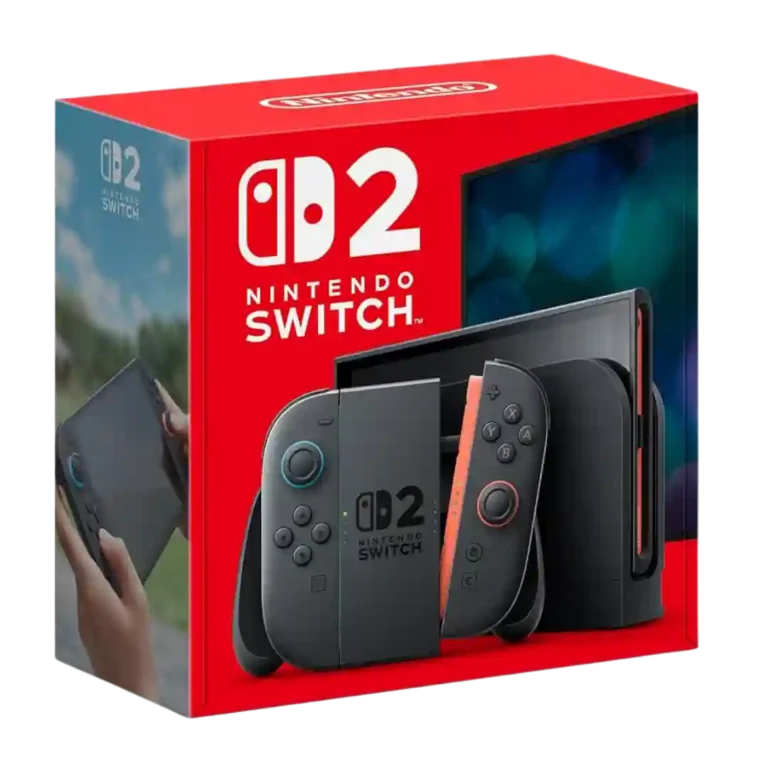
Choose Switch 2 for a sharper, faster, more social Switch with stronger Joy-Cons and broad backward compatibility. Skip it if short battery life, expensive storage, thin launch exclusives, or the premium console-and-game pricing will bother you.
Best for Switch owners who want a clear performance jump, smoother older games, better controllers, and a hybrid console that still centers Nintendo games and couch play.
Not for buyers who need long handheld battery life, lots of native exclusives immediately, cheap storage expansion, or a docked experience that matches PS5-class home consoles.
Reviewers frame the Nintendo Switch 2 as a confident refinement rather than a reinvention. The strongest praise goes to performance, sharper visuals, smoother frame rates, improved Joy-Cons, broad backward compatibility, and a snappier eShop/UI experience. The tradeoff is that its handheld ambition costs battery life, while larger downloads, microSD Express pricing, and higher game or accessory costs make the upgrade feel less effortless. GameChat, GameShare, mouse controls, and local multiplayer hooks show real promise, but several reviewers describe Nintendo’s feature design as limited or uneven. Overall, the evidence supports a powerful, polished hybrid console whose best qualities are immediate, while its value depends heavily on tolerance for launch-era costs and battery compromises.
Compared with other Video Game Console, this product is above average in frame rate performance, load times, graphical performance, near average in value for money, controller features, below average in network stability, power efficiency, storage expandability.
| Attribute | This product | Category average | Difference |
|---|---|---|---|
| network stability | 2.5 | 4.6 | -2.1 |
| power efficiency | 2.3 | 3.8 | -1.4 |
| storage expandability | 2.5 | 3.9 | -1.4 |
| heat management | 3.0 | 4.4 | -1.4 |
| frame rate performance | 4.6 | 3.4 | +1.2 |
| accessibility features | 3.0 | 4.0 | -1.0 |
| load times | 4.6 | 3.7 | +0.9 |
| storage capacity | 2.6 | 3.3 | -0.7 |
Choose Lenovo Legion Go 2. It scores 5.0 vs 2.5 for network stability, with a 3.6 overall score.
Choose Analogue 3D. It scores 4.3 vs 2.3 for reliability, with a 4.4 overall score.
Choose Asus ROG Xbox Ally X. It scores 4.2 vs 2.3 for power efficiency, with a 3.7 overall score.
Choose Lenovo Legion Go S. It scores 5.0 vs 2.5 for storage expandability, with a 3.9 overall score.
Compared with Nintendo Switch 2
Yes. Reviewers repeatedly praise smoother frame rates, sharper visuals, faster load times, and stronger ports, though several note it still does not match high-end home consoles.
It is one of the strongest points. Reviewers describe broad Switch 1 support and say many older games run, load, or look better on the new hardware.
Battery life is the clearest recurring weakness. Most reviewers describe it as shorter than older Switch models and a meaningful compromise for portable play.
Mostly yes. Reviewers praise the magnetic attachment, bigger feel, haptics, and mouse features, but some still worry about long-session comfort and possible drift.
The evidence is mixed. Reviewers like the backward-compatible library and several ports, but some wanted more major native Nintendo exclusives right away.
Reviewers often found GameChat promising, seamless, or socially useful, but several also criticized restrictions, low-quality screen sharing, or Discord being a better option.
Only partly. Reviewers appreciate the larger 256GB baseline, but large game downloads and expensive microSD Express cards make storage a recurring concern.
These are a few of the reviews included in our analysis.



Choose it if you own N64 cartridges and want the most polished, low-lag way to play them on a 4K TV. Skip it if you want cheap emulation, broad flash-cart/controller...
Pros: display quality, performance
Cons: availability
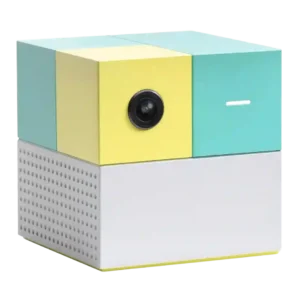
Best for easy, controller-free family play that gets kids moving. Skip it if you want deep games, cutting-edge graphics, or dislike paying for Play Pass.
Pros: game library quality, value for money
Cons: subscription service value, graphical performance
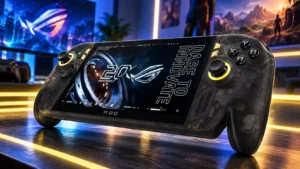
The vivid OLED screen and superb grip comfort make this a compelling premium Windows handheld. Its high price buys refinement rather than a major performance leap, and Windows still needs...
Pros: display quality, controller ergonomics
Cons: value for money, ease of use
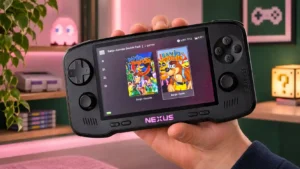
Evercade Nexus brings licensed physical classics to life with its bright screen, twin sticks, and excellent native ports. Slow booting, no suspend or TV output, and reported screen-assembly problems are...
Pros: controller features, display quality
Cons: TV output connectivity, Suspend and resume