
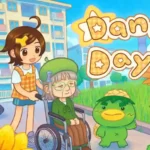
Danchi Days Feature Scores
Explore all 48 feature scores for Danchi Days, organized into pros and cons.
Scores by Feature
Summary
48 reviewed features-
Very positive 4.5-5.028 (58%)
-
Positive 3.5-4.414 (29%)
-
Neutral 2.5-3.46 (13%)
Pros
Sort
-
A simple festival premise opens into a thoughtful story about aging, dementia, and community. Most responses are strongly positive, though one critic found its emotional development too light and delayed.
-
Bright, nostalgic pixel art gives the neighborhood an immediate charm. Its colorful palette still leaves room for weathered buildings and visible signs of decline.
-
The simulated early web is both enjoyable to browse and useful for learning about residents and solving their problems. Personal pages, diary entries, and persistent information make it feel connected to neighborhood life.
-
The prevailing recommendation is enthusiastic, with particular admiration for the cast, thoughtful themes, and sense of wonder. Mechanical inconveniences temper the praise without overwhelming it.
-
Residents’ hobbies, webpages, and personal struggles give them substance beyond their comic gimmicks. One critic wished the more grounded Rio received more attention.
-
An eccentric, memorable cast makes meeting the neighborhood a pleasure. Even seemingly minor residents have recognizable personalities.
-
Sensing turns ordinary actions into playful abstractions while reinforcing the story’s attention to everyday life. Helping residents also makes the community themes tangible.
-
Childlike optimism and difficult adult realities generally coexist with unusual care. The story’s hopefulness avoids reducing dementia to a problem that a festival can magically cure.
-
The portrayal of dementia, caregiving, and community often feels compassionate and personally resonant. One critic wanted the emotional weight to build earlier and land harder.
-
Warmth and optimism sit alongside an aging community’s melancholy. The sweetness largely works because the setting acknowledges difficult realities.
-
Sense Games find surprising variety within simple grid-based movement, switching between patient observation, quick reactions, and movement planning.
-
The neighborhood and its character conflicts keep players invested. Sensory activities help convey Hoshino’s curious view of ordinary life.
-
Sense Games are usually inventive, varied, and enjoyable ways to appreciate ordinary activities. Some feel fiddly, unintentionally awkward, or confusingly matched to their theme.
-
Most challenges are approachable, with retries and optional gold-star goals keeping perfection unnecessary. A few minigames become fiddly or much harder when chasing the best result.
-
The focus on everyday wonder and influences beyond conventional cozy games give the adventure a distinctive identity.
-
Quirky neighbors and a thoughtful view of community give the writing its strongest appeal. Its attention to ordinary interests and social realities makes the setting feel meaningful.
-
Translated puns, eccentric neighbors, and funny personal webpages give the adventure much of its comic charm.
-
The aging housing complex feels socially grounded and thoughtfully observed, with cultural context and community history giving its nostalgia substance.
-
The compact adventure generally feels satisfying rather than slight. First playthroughs can take roughly five to seven hours, while fuller exploration may stretch toward eight to twelve.
-
Website clues and logical deductions make recruitment satisfying, and some Sense Games deliver rewarding breakthroughs. A few puzzles stump players or use confusing objectives.
-
The English translation preserves character quirks and Japanese wordplay particularly well, including the residents’ webpages.
-
Expressive faces give the small pixel characters plenty of personality and provide frequent comic enjoyment.
-
Hoshino’s curious child’s-eye perspective is especially convincing to some. Her black-and-white optimism makes her harder to connect with for another critic.
-
The early demo leaves a strong impression, generating excitement to return for the full adventure.
-
Careful pixel-art details give the apartment complex character, including the decay beneath its bright colors.
-
Getting to know residents reveals the interests and relationships beneath their quirks, and flashbacks deepen their stories. Hoshino’s own growth feels too late and abrupt to one critic.
-
Solving a neighbor’s problem and earning an RSVP gives the festival preparations a satisfying purpose. Some residents’ requirements can remain unclear even after finishing the story.
-
Neighbors span different ages, backgrounds, and outlooks, giving Hoshino a valuable range of perspectives to encounter.
-
Meeting neighbors and uncovering things around the expanding neighborhood can make the hours pass quickly.
-
The sensory puzzles leave a strong impression of care and polish.
-
Optional star gates are forgiving enough to unlock without earning gold in every minigame, making progress feel welcoming rather than perfectionist.
-
Delightful songs give the different areas an additional source of warmth and charm.
-
Exploration can make the short runtime fly by. Emotional growth feels less evenly paced, with one critic wishing Hoshino’s development unfolded more gradually.
-
Returning for missed residents or better minigame scores has clear appeal, and chapter selection helps with unfinished business. A dedicated way to replay only the minigames would be welcome.
-
Lively animation adds to the appeal of the pixel-art presentation.
-
Strong personalities keep conversations entertaining as you learn what makes each neighbor tick.
-
Helping organize the festival delivers a fun, cozy experience with pleasant surprises.
-
You can keep exploring after meeting the day’s required quota, giving room to do more before heading home.
-
Achievements are readily attainable by playing through the story, without needing to recruit every last neighbor.
-
Optional glimpses into the neighborhood’s past provide interesting extra context.
-
Approachable design helps newcomers grasp the adventure while leaving room to push for better results.
-
The NeighborDex helps locate residents and reduces aimless searching. Small maps still create too many transitions when traveling across the complex.
Cons
Sort
-
Hints mainly cover required daily tasks and offer too little help for unfinished neighbor requests, especially near the end.
-
Revisiting saved emails and websites is useful, but there is no sufficiently clear way to track outstanding quest progress.
-
Getting between apartment complexes could be easier; repeated map transitions make backtracking more cumbersome than it needs to be.
-
Each load is short, but the number of loading screens adds friction when crossing several small maps or backtracking.
-
Hoshino’s general walking speed can make getting around feel irritatingly slow.
-
Helping residents can feel rewarding, but keeping track of multiple unfinished requests is a weakness. Outside notes may be needed to avoid losing direction.
Use Cases
Best for
Sort
-
Beneath the cozy festival preparations are substantial questions about aging, care, and community. It suits players who want thoughtful reflection, though the emotional approach can feel lighter than expected.
-
Compassionate portrayals of dementia and changing family relationships can resonate with those reflecting on decline and loss. The game gives room to consider care without promising an easy solution.
-
Simple sensory activities and neighborly errands offer a calming pace. Difficult themes add emotional weight even when the moment-to-moment play feels relaxing.
-
Accessible objectives and approachable challenges make this welcoming to less experienced players, with optional goals for anyone who wants to push further.
-
A first playthrough of roughly five to seven hours offers a manageable commitment and is praised for respecting players’ time.
-
Old-school pixel graphics evoke the Game Boy Advance era and make the presentation particularly appealing to players with that nostalgia.
-
A community arc highlights how neighborhood connections can create belonging for alienated people, giving this audience a meaningful point of connection.
-
The achievement set suits an accessible completion goal, since normal story progress can unlock everything without recruiting every resident.
-
Revisiting chapters and missed content supports a thorough return visit. Recruiting every resident can still require extra investigation when requirements are unclear.
Conditional or not ideal for
-
Content-sensitive playersThe cute presentation contains emotionally heavy material about aging and dementia. Players seeking to avoid existential reflection may find the subject matter unwelcome.