#1

Third-party app support is excellent, with popular fitness, audio, navigation, and productivity apps available through Wear OS. That breadth is a major advantage over simpler fitness-first wearables.
Pros: software smoothness, wellness insights
Cons: battery life, charging speed
#2

Third-party app support is excellent for a smartwatch, with useful Wear OS options such as Spotify, Strava and WhatsApp working directly on the watch. This breadth is a major advantage...
Pros: battery life, comfort
Cons: value for money, charging speed
#3
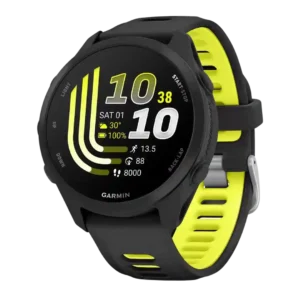
Connect IQ supports major services such as Spotify and YouTube Music plus a wide range of community apps and widgets.
Pros: value for money, battery life
Cons: mapping and navigation, materials quality
#4
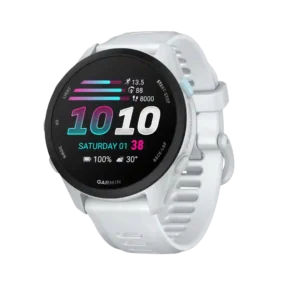
Completed workouts sync easily to services such as Strava and Apple Health. The broad integration makes Garmin data easy to use across a larger fitness setup.
Pros: battery life, value for money
Cons: mapping and navigation, smartwatch features
#5
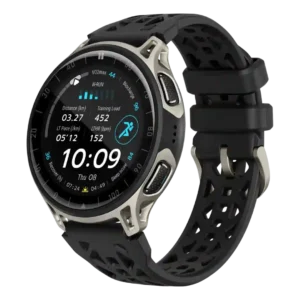
Third-party support was strong for fitness platforms like TrainingPeaks, Runna, Intervals.icu and Strava, but weaker for streaming services and app breadth.
Pros: GPS accuracy, battery life
Cons: band quality, smartwatch features
#6
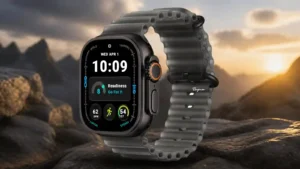
The broad third-party app ecosystem can fill gaps in analysis and mapping, but some new power-saving workout features remain locked to Apple's native Workout app.
Pros: battery life, value for money
Cons: data privacy, comfort
#7

Setting up popular services such as Spotify and Strava can be straightforward. The wider third-party selection remains less capable than Apple’s for people seeking an app-rich smartwatch.
Pros: battery life, mapping and navigation
Cons: value for money, LTE connectivity
#8

Fitness-service connectivity and data export are useful, but wrist-app support is limited. The absence of Spotify and the shallow app catalog keep it behind Apple Watch and Wear OS for...
Pros: battery life, brightness
Cons: fit, third-party app support
#9
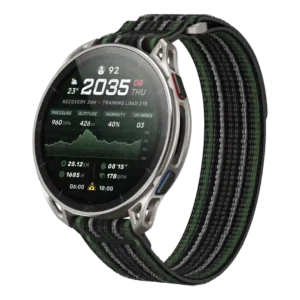
Third-party app support is mixed, with useful athlete integrations offset by a storefront lacking major apps.
Pros: battery life, value for money
Cons: reliability
#10

Connect IQ can supply useful music services, navigation tools, faces and widgets. Its range and polish lag Apple’s app ecosystem, and some desired apps or services remain unavailable.
Pros: mapping and navigation, battery life
Cons: value for money, software smoothness
#11
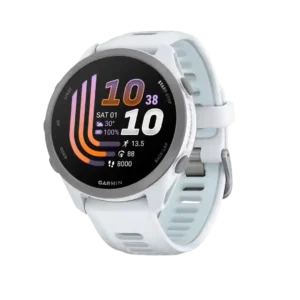
Streaming support is a mixed point: Spotify, Amazon Music, Deezer and some other services work well, but Apple Music’s absence is repeatedly called out as a meaningful limitation. Spotify offline...
Pros: value for money, GPS accuracy
Cons: mapping and navigation, third-party app support
#12
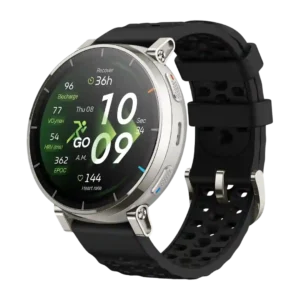
Third-party app support is mixed, ranging from praise for TrainingPeaks-style integrations to disappointment over missing Coopah and Runna compatibility and limited app-store access.
Pros: value for money, battery life
Cons: heart rate accuracy, third-party app support
#13

Third-party app support was a clear weakness, with limited apps and missing golf support called out.
Pros: battery life, value for money
Cons: heart rate accuracy, comfort
#14

Third-party workarounds for features Apple does not expose natively can be frustrating; heart-rate broadcasting was a particular complaint.
Pros: value for money, heart rate accuracy
Cons: data privacy
#15
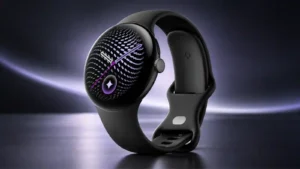
Serious athletes repeatedly criticized the lack of direct support for external heart-rate straps and cycling sensors. Third-party workarounds exist, but reviewers did not consider them a substitute for native support.
Pros: software smoothness, style and design
Cons: value for money, wellness insights
