Best for fourth-wall narration
Adults, Season 2
5.0 attribute score
Highest scored product for this attribute based on supporting review evidence.

Highest scored product for this attribute based on supporting review evidence.
Balances the attribute score, supporting reviews, and overall product strength.
Has the broadest review evidence for this attribute.
Strongest overall product among items with scored evidence for this attribute.

Overall: 4.4/5
The meta and fourth-wall touches are viewed as a strength when they push the familiar hangout-sitcom premise into something more self-aware and distinctive.
Pros: humor, cast chemistry
Cons: season length, season pacing

Overall: 3.3/5
The finale’s fourth-wall turn is singled out as unusually ambitious and memorable, giving the adaptation a distinctive metafictional flourish.
Pros: entertainment value, soundtrack quality
Cons: plot originality, season pacing

Overall: 4.1/5
The writing earns praise for avoiding easy self-narration even when characters spend long stretches alone, trusting performance and visual storytelling instead.
Pros: acting quality, story quality
Cons: season pacing, character likability

Overall: 3.7/5
James Engelsman is singled out as the strongest narrator of the new trio, giving the explanatory sections a polished voice.
Pros: franchise connection, entertainment value
Cons: cast chemistry, main cast performance

Overall: 3.8/5
Joe’s knowing camera wink is singled out as an exceptionally slick and funny break from the game’s usual presentation.
Pros: casting quality, competition format
Cons: main cast performance, challenge design

Overall: 4.0/5
One reviewer especially enjoyed the playful mind-palace device, where remembered characters seem to interact with Sherlock inside his reconstruction.
Pros: entertainment value, cast chemistry
Cons: faithfulness to source material, plot clarity
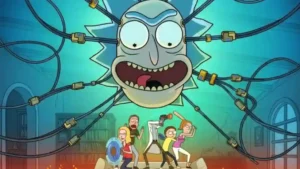
Overall: 4.4/5
Self-aware gags and jokes about the show’s own presentation remain playful rather than condescending, with a cheeky production-reference joke particularly well received.
Pros: humor, story quality
Cons: character consistency, ensemble balance
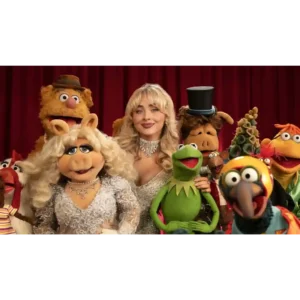
Overall: 4.3/5
Meta jokes about the show’s own revival, production and possible future fit naturally with the Muppets’ self-aware style and are frequently praised.
Pros: humor, entertainment value
Cons: main cast performance, character balance

Overall: 3.5/5
The fourth-wall narration is a recurring strength, helping the series land its most effective moments.
Pros: entertainment value, story quality
Cons: theme depth, genre satisfaction

Overall: 3.8/5
J.D.’s inner voice still helps the comedy move and gives the older characters a reflective perspective. Its explicit lessons can feel thin, and the renewed focus on him frustrates viewers...
Pros: humor, franchise connection
Cons: character development, character balance

Overall: 3.7/5
The offscreen narrator adds an appreciated comic voice to the adventure. One assessment finds the narration funny while still noticing some awkward moments.
Pros: humor, faithfulness to source material
Cons: visual style, tone consistency

Overall: 3.5/5
Direct address is the show’s most polarizing formal choice: admirers say it puts viewers directly inside the protagonist’s mind, while detractors call it grating, repetitive, over-explanatory, or unconvincing.
Pros: main cast performance, theme depth
Cons: story quality, character development

Overall: 3.3/5
Looking into the camera provides a convenient comic shortcut, without much development of why the crew is filming.
Pros: main cast performance, cast chemistry
Cons: humor, character development

Overall: 2.9/5
Jackie’s running commentary can sharpen the humor and plot, but the voiceover becomes grating when it substitutes for character or story development.
Pros: main cast performance, visual style
Cons: story quality, plot originality

Overall: 3.1/5
Bret’s voice-over is highly divisive. Some find it seductive, evocative, or useful for grounding an unreliable protagonist, while many call it flat, droning, overused, or intrusive.
Pros: acting quality, entertainment value
Cons: story quality, suspense

Overall: 2.4/5
The direct-address device divides opinion: some enjoy Varnell and Rachel’s asides, while others find them intrusive, lazy, or rarely funny.
Pros: guest appearances, acting quality
Cons: humor, fourth-wall narration

Overall: 4.3/5
The sudden internal monologue feels out of place to one viewer, particularly when Pavi could have spoken to her companion. It makes a character decision too explicit.
Pros: visual style, suspense
Cons: episode pacing, season pacing

Overall: 4.2/5
Briar's stereotypical opening self-dialogue draws criticism because the device is essentially abandoned afterward.
Pros: entertainment value, genre satisfaction
Cons: season pacing, episode length

Overall: 3.7/5
The frequent voiceover is criticized as excessive, adding to the sense that the show leans too hard on familiar YA devices.
Pros: sports storyline quality, character development
Cons: romance quality, plot originality

Overall: 3.3/5
One commenter feels the Princess Bride-style fourth-wall reference makes the fantasy episode less immersive.
Pros: entertainment value, humor
Cons: genre satisfaction, story quality