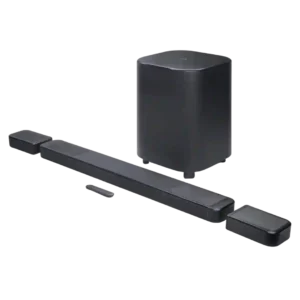
Stereo imaging is strong, with explicit praise for separation and a broad, well-organized presentation on music.
Pros: Rear speaker versatility, Overall product quality
Cons: Size and TV fit, Gaming HDMI passthrough

Stereo imaging is strong, with explicit praise for separation and a broad, well-organized presentation on music.
Pros: Rear speaker versatility, Overall product quality
Cons: Size and TV fit, Gaming HDMI passthrough
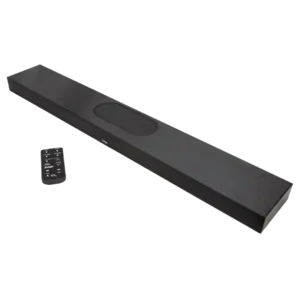
One experienced owner described the presentation as surprisingly big, wide, and deep for such a compact bar.
Pros: Dialogue clarity (for TV/soundbar use), Overall product quality
Cons: TV connection stability, Reliability
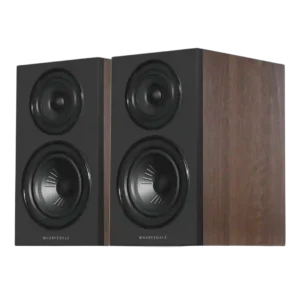
Imaging is consistently well organized, with strong separation, stable placement and a stage that often extends beyond the cabinets. The presentation favors coherence over exaggerated holographic effects.
Pros: Design and aesthetics, Music performance
Cons: Low-volume performance

Stereo imaging is usually precise and spacious, especially near field, with instruments and vocals easy to place. The main limitation is that some TV material can feel less expansive than...
Pros: Overall product quality, Overall sound quality
Cons: Remote control usability, Control button responsiveness

Stereo imaging is one of the Coda W’s standout strengths, with a wide, stable stage, precise placement, and a generous listening area beyond a narrow sweet spot. Reviewers repeatedly described...
Pros: Stereo imaging accuracy, Aesthetic design / Finish options
Cons: Smart features, EQ customization
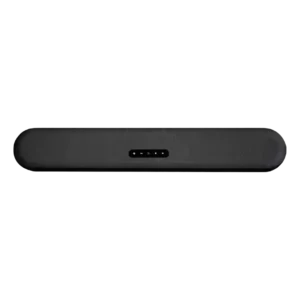
Stereo imaging is a standout for music. Reviewers praise the phantom center, strong imaging, and wide two-channel presentation.
Pros: App reliability, Subwoofer
Cons: Remote control usability, Value for money
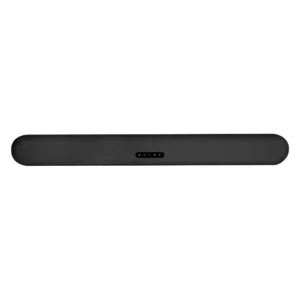
Stereo imaging drew strong praise for separation, left-right placement, and wide stereo presentation, especially with music.
Pros: Dialogue clarity (for TV/soundbar use), Subwoofer
Cons: EQ customization, AI Room Calibration
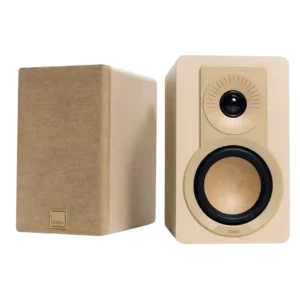
Imaging is one of the Kupid’s most consistent strengths, with many reviewers describing stable placement, convincing center images and a soundstage that extends well beyond the cabinets. A few comparisons...
Pros: Bass performance, Value for money
Cons: Amplifier power requirements, Break-in period

Stereo imaging is one of the clearest strengths. Reviewers repeatedly praise unusually convincing left-right separation and a soundstage that extends beyond the compact cabinet.
Pros: Overall sound quality, Battery life (if portable)
Cons: Price / value for money, Weight convenience

Stereo imaging is unusually wide and precise for a soundbar, often placing vocals and instruments beyond the cabinet with convincing separation. Dedicated stereo speakers and a few rival bars can...
Pros: Overall product quality, Overall sound quality
Cons: Value for money, Video passthrough support
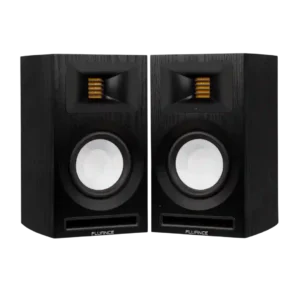
Stereo imaging was repeatedly praised, with reviewers noting centered vocals, wide soundstage, precise placement, and convincing left-right motion.
Pros: Detail retrieval, Value for money
Cons: optical, Smart features
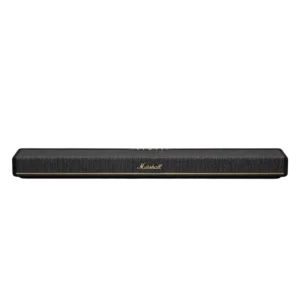
Spatial positioning and imaging are precise, with movement across the screen and individual elements placed clearly within the soundstage.
Pros: Design and aesthetics, Overall sound quality
Cons: Value for money, App reliability
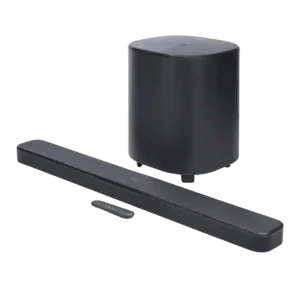
Stereo imaging earned praise in one review for keeping vocal effects centered cleanly within the stereo image.
Pros: Dialogue clarity (for TV/soundbar use), Surround sound simulation
Cons: App reliability, Audio format support
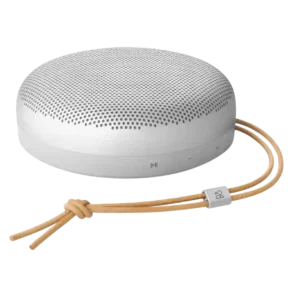
Imaging and spatial organization were praised for openness and instrument separation, though one review noted limited scale compared with larger rivals.
Pros: Frequency response balance, Price / value for money
Cons: Drop resistance durability, Smart assistant integration (Alexa
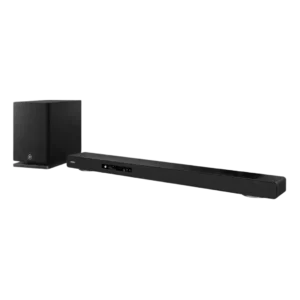
Spatial placement is usually precise, with effects mapped accurately and instruments separated cleanly. One critical test found strict stereo too center-weighted, so two-channel imaging is not flawless in every mode.
Pros: Home theater integration, Overall product quality
Cons: Value for money, Small-room suitability
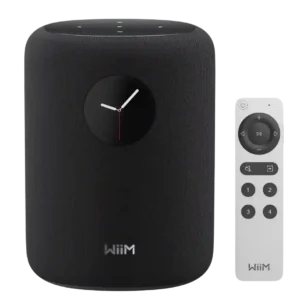
Two-speaker stereo pairing can create convincing left/right separation, depth, and a wider stage. A single unit is less precise spatially, with some tests finding its image congested or inherently limited.
Pros: Overall product quality, Overall sound quality
Cons: AirPlay compatibility, Smart assistant integration (Alexa
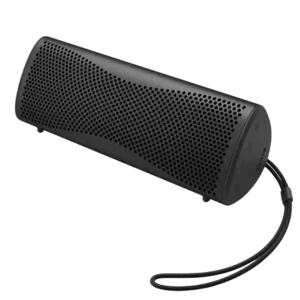
A single Muo throws a wider stage than its size suggests, while two units noticeably sharpen left-right placement and immersion. The mono presentation still cannot match a true stereo setup...
Pros: Design and aesthetics, Music performance
Cons: Price / value for money, App reliability

The Boombox 4 produces real stereo and can create a wide, immersive image when heard from the front. Its narrow listening window limits that effect off-axis, while pairing two units...
Pros: Overall satisfaction, Overall sound quality
Cons: Energy efficiency, Microphone
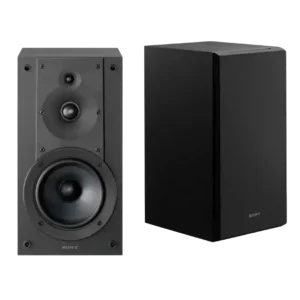
Imaging was a recurring strength, with reviewers describing precise placement, solid center image, and room-disappearing behavior.
Pros: Frequency response balance, Cabinet construction / bracing
Cons: Dynamic headroom

Stereo effects are audible and reasonably convincing for a single compact device. Reviewers hear left-to-right movement and a broader sound field, though not the separation of discrete speakers.
Pros: Overall product quality, Smart features
Cons: Privacy and data, On-device controls
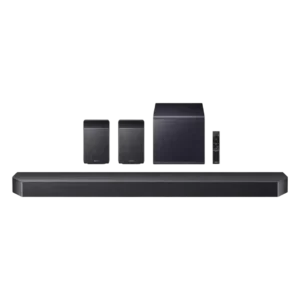
Stereo and music imaging are generally praised for focus, width, and staging, but one dissenting review found music performance especially weak.
Pros: Value for money, Surround sound simulation
Cons: Status indicators, Wi-Fi streaming reliability
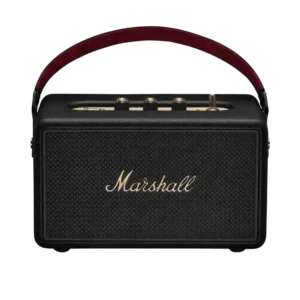
Stereo imaging is mixed: reviewers like the wide and immersive presentation, but some note limited true stereo separation or asymmetry.
Pros: Design and aesthetics, Battery life (if portable)
Cons: Weight convenience, Inter-speaker connectivity

Stereo performance improves with two speakers, with some reviewers praising the travel between channels or TWS separation, but single-unit stereo separation was judged cramped or limited.
Pros: Frequency response balance, Price / value for money
Cons: Microphone, Dust resistance rating

A single unit creates useful width and separation, but it does not replace true left-right stereo. Pairing two speakers produces a noticeably broader and more convincing image.
Pros: Overall sound quality, Design and aesthetics
Cons: Value for money, Overall product quality

Stereo imaging depended on spatial mode or pairing; reviewers liked the widened effect, but the single speaker remains limited and sometimes lacks precise separation.
Pros: Smart features, Microphone
Cons: Weight convenience, Handle or strap quality
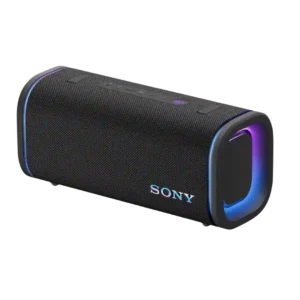
Stereo imaging is limited by the compact driver spacing, even though some reviewers hear a wider-than-box soundstage.
Pros: Loudness / maximum volume, Battery life (if portable)
Cons: Voice clarity, Stereo imaging accuracy

A single Dot Max remains a mono source, so true left-right separation is limited. Some reviewers found the broader presentation acceptable, while others wanted more stereo spread.
Pros: Overall sound quality, Smart features
Cons: Value for money, On-device controls

A single unit is inherently narrow and point-sourced because it is mono. Pairing two can dramatically improve imaging, scale, and separation.
Pros: Design and aesthetics, Overall product quality
Cons: Bass performance, Stereo imaging accuracy
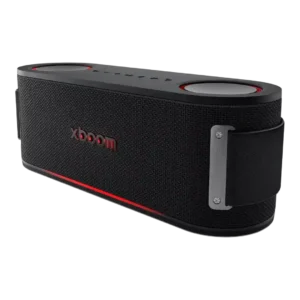
Stereo presentation was split: some heard a nice stereo image, while others found the stage compressed or weakly separated.
Pros: Battery life (if portable), Loudness / maximum volume
Cons: Detail retrieval, Smart features
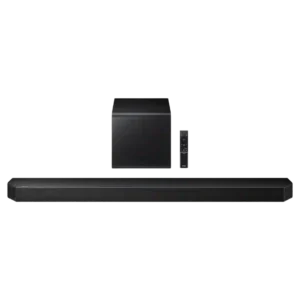
Stereo imaging is mixed. The bar can sound wider than its chassis, but channel separation trails dedicated stereo speakers and some listeners found left/right placement or Adaptive-mode panning less defined.
Pros: Overall product quality, Overall sound quality
Cons: Bass performance, Surround sound simulation
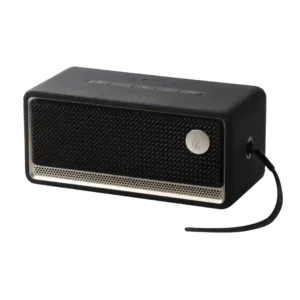
Imaging is mixed: some reviewers criticize weak vocal and instrument separation, while another heard a noticeably wider soundstage from the front/rear tweeter layout.
Pros: Overall sound quality, Overall satisfaction
Cons: Battery life (if portable), EQ customization
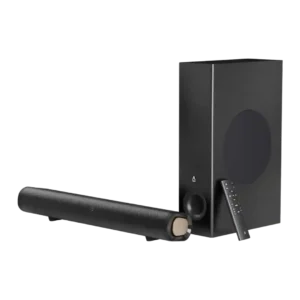
Stereo imaging is a weak point overall, with repeated comments about narrow, localized sound, limited separation, and stronger performance only near the sweet spot.
Pros: Value for money, Surround sound simulation
Cons: Stereo imaging accuracy, Smart features

Reviewers note mono output and low immersiveness, with stereo effects missing unless a second matching speaker is paired.
Pros: Frequency response balance, Price / value for money
Cons: Distortion at high volume, Backwards compatibility

Stereo separation is limited by the close spacing of the drivers. Reviewers still hear some movement, but do not consider the soundstage strongly separated.
Pros: Overall product quality, Display experience
Cons: Value for money, Privacy and data

The mono design limits stereo separation, with one reviewer saying instruments layer together and are hard to distinguish.
Pros: Handle or strap quality, Frequency response balance
Cons: Price / value for money, Loudness / maximum volume
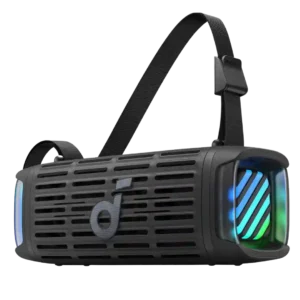
The mono presentation limits stereo accuracy, with one reviewer saying dynamics and separation suffer because of the mono design.
Pros: Water resistance rating, Float capability
Cons: Distortion at high volume

Stereo imaging is limited by the mono design; reviewers repeatedly note little soundstage unless another Flip 7 is added.
Pros: Frequency response balance, Battery life (if portable)
Cons: Backwards compatibility, Stereo imaging accuracy