Best for running power support
Garmin Forerunner 170
5.0 attribute score
Highest scored product for this attribute based on supporting review evidence.

Highest scored product for this attribute based on supporting review evidence.
Balances the attribute score, supporting reviews, and overall product strength.
Has the broadest review evidence for this attribute.
Strongest overall product among items with scored evidence for this attribute.
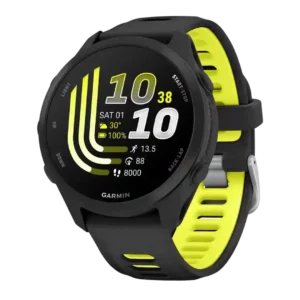
Wrist-based running power and dynamics bring advanced training metrics to a relatively affordable watch and are strongly praised.
Pros: value for money, battery life
Cons: mapping and navigation, materials quality
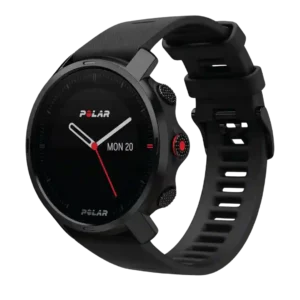
Running power support was repeatedly praised as useful, convenient, and unusually strong without a separate footpod.
Pros: coaching features, value for money
Cons: mapping and navigation, Hill Splitter hill tracking

Wrist-based running power brings advanced training data without requiring a chest strap or foot pod. It is a standout capability at this price.
Pros: battery life, value for money
Cons: mapping and navigation, smartwatch features
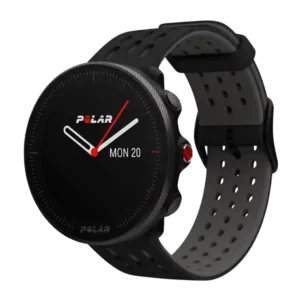
Running power support was praised for external STRYD-style support and native handling, despite the lack of wrist-based power.
Pros: heart rate accuracy, coaching features
Cons: smartwatch features, brightness

Wrist-based running power is welcomed as a surprisingly advanced training tool at this price, giving runners another way to manage effort and work on form.
Pros: value for money, GPS accuracy
Cons: mapping and navigation, third-party app support
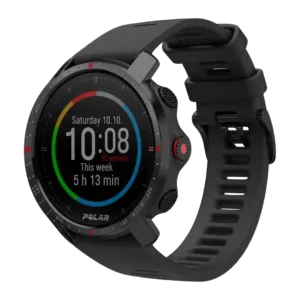
Running power support was strongly praised, especially by triathlon and trail-focused reviewers who value native power for pacing and power-zone training.
Pros: battery life, mapping and navigation
Cons: onboard music storage, value for money
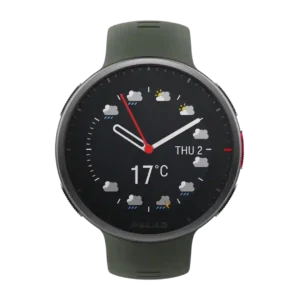
Running power support was positive where tested, with reviewers finding wrist-based running power usable and trend data well aligned.
Pros: recovery insights, heart rate accuracy
Cons: mapping and navigation, value for money
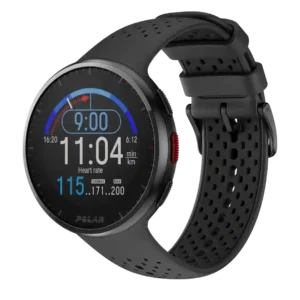
Running power support was broadly positive because wrist-based power appears at this price, though one reviewer still preferred STRYD for accuracy.
Pros: GPS accuracy, value for money
Cons: battery life, smartwatch features
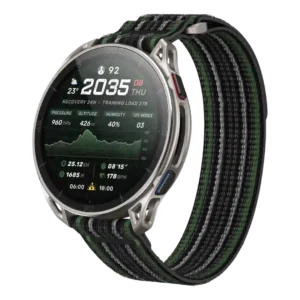
Running power support is treated positively as part of the advanced running metrics available without extra sensors.
Pros: battery life, value for money
Cons: reliability
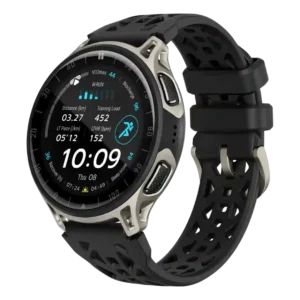
Running power support was useful for one reviewer, but others questioned related metric reliability or found the calculation too different to evaluate.
Pros: GPS accuracy, battery life
Cons: band quality, smartwatch features
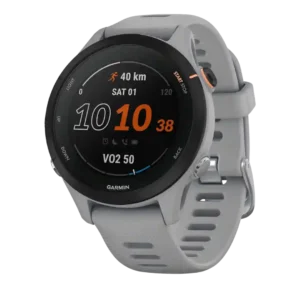
Running power support was useful in concept but limited by the need for an external Garmin sensor.
Pros: value for money, battery life
Cons: menu navigation, user interface
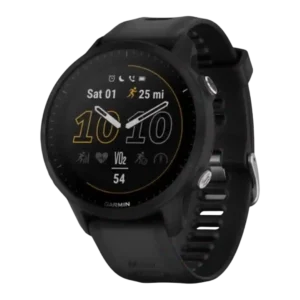
Running power was criticized because the feature still falls short of expectations without wrist-native support.
Pros: GPS accuracy, battery life
Cons: onboard music storage, charging convenience
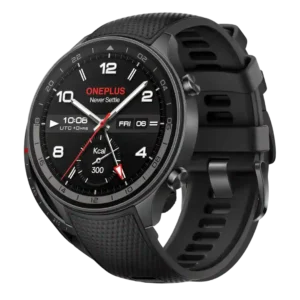
Running power support was mixed because the Watch 2R reported a much lower running-power value than the comparison watch.
Pros: battery life, value for money
Cons: companion app quality, charging convenience
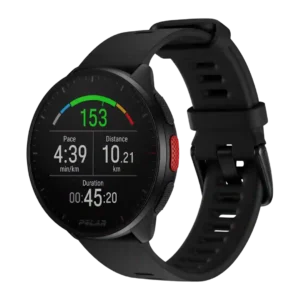
Running power support is a limitation because reviewers wanted it or noted that the Pacer requires an external sensor while rivals or the Pro offer more.
Pros: value for money, workout tracking variety
Cons: GPS accuracy, mapping and navigation
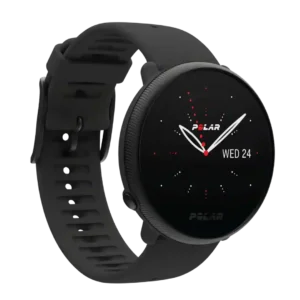
Running power support was weak because a reviewer noted that wrist-based running power is absent compared with higher-end Polar watches.
Pros: style and design, workout tracking variety
Cons: touchscreen responsiveness, smartphone notifications
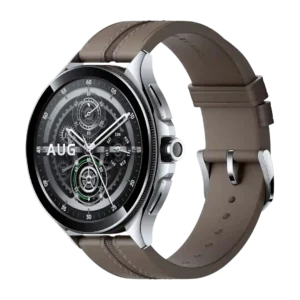
Running power support was weak because a sports-focused reviewer explicitly said the watch lacks advanced running metrics such as running power.
Pros: app ecosystem, battery life
Cons: size options, comfort

Native running-power support is still missing, which is a notable omission for performance-focused runners. Dedicated sports watches remain better equipped for this metric.
Pros: battery life, comfort
Cons: value for money, charging speed