If you want better coaching features
Choose Polar Ignite 2. It scores 4.7 vs 4.3 for coaching features, with a 3.7 overall score.

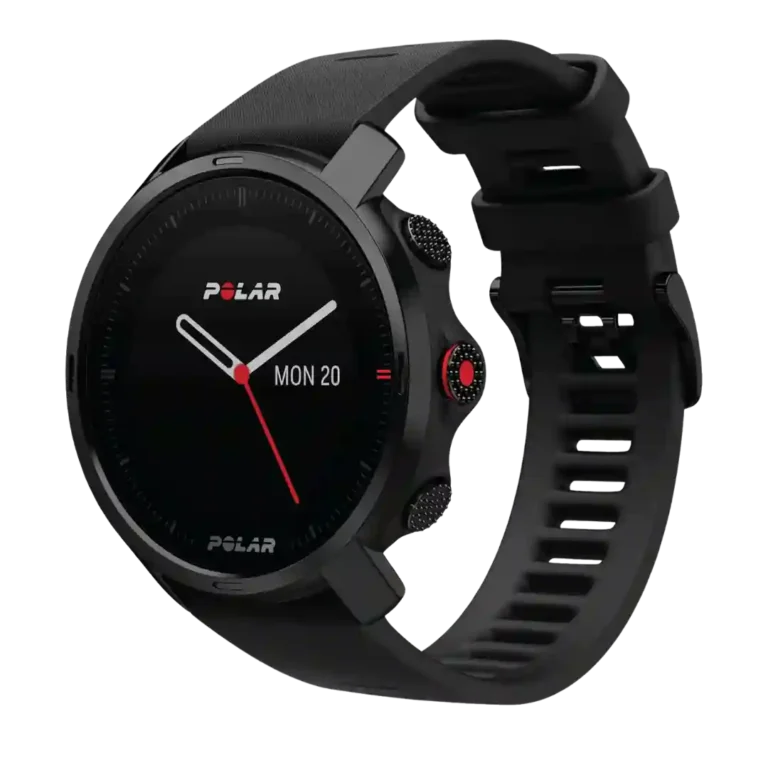
Choose the Polar Grit X for serious training insights, GPS, running power, and recovery tools at a fair outdoor-watch price. Skip it for full maps, rich smartwatch apps, crisp touch controls, or guaranteed weeklong battery life.
Best for runners, triathletes, hikers, and endurance athletes who value Polar Flow, recovery guidance, running power, GPS tracking, and physical buttons more than lifestyle apps. It especially suits users moving into longer trail or outdoor sessions who can accept breadcrumb navigation.
Not for users who need offline maps, deep route tools, Spotify or onboard music, payments, polished touch interaction, or the longest smartwatch-mode battery. Seasoned mountain athletes may also find Hill Splitter and Komoot guidance too limited.
The Polar Grit X lands as a focused endurance and multisport watch rather than a do-everything smartwatch. Reviewers consistently liked Polar Flow, recovery guidance, GPS performance, running power, rugged comfort, and button-led operation, and several felt the price was compelling beside premium Garmin and Suunto rivals. The tradeoff is depth: Komoot navigation is breadcrumb-based and often fiddly, Hill Splitter is clever for hill repeats but limited for mountain pacing, and smart features such as music, payments, and apps are sparse. Battery life is strong for GPS activities yet less convincing for normal watch use in several tests, while the touchscreen and wrist heart-rate data drew recurring caveats.
Compared with other Smartwatches, this product is above average in running power support, materials quality, calorie tracking usefulness, near average in GPS accuracy, style and design, below average in music controls, safety features, step counting accuracy.
| Attribute | This product | Category average | Difference |
|---|---|---|---|
| music controls | 1.5 | 3.6 | -2.1 |
| safety features | 2.0 | 3.9 | -1.9 |
| step counting accuracy | 2.0 | 3.8 | -1.8 |
| touchscreen responsiveness | 2.4 | 4.0 | -1.6 |
| app ecosystem | 2.0 | 3.6 | -1.6 |
| running power support | 4.8 | 3.4 | +1.5 |
| third-party app support | 1.8 | 3.2 | -1.5 |
| onboard music storage | 1.5 | 3.0 | -1.5 |
Choose Polar Ignite 2. It scores 4.7 vs 4.3 for coaching features, with a 3.7 overall score.
Choose Polar Unite. It scores 5.0 vs 2.0 for app ecosystem, with a 3.6 overall score.
Choose Garmin Forerunner 70. It scores 5.0 vs 1.8 for third-party app support, with a 4.3 overall score.
Choose Garmin Forerunner 955. It scores 4.7 vs 3.6 for battery life, with a 4.1 overall score.
Products reviewers directly compared with this model, grouped into quick takeaways.
Yes, reviewers found it strong for trail and endurance training thanks to GPS, recovery insights, running power, FuelWise, and broad sport modes. The main caveats are limited maps and a Hill Splitter feature that can feel shallow on serious mountain routes.
GPS battery life was often praised, and power-saving modes can extend long activities. Normal smartwatch use was more mixed, with several reviewers reporting around four to five days or less depending on tracking, notifications, and heart-rate settings.
No full offline maps were praised in the reviews. The watch can use Komoot for breadcrumb-style route guidance and turn prompts, but reviewers often found setup fiddly and the on-watch detail basic.
Heart-rate accuracy was mixed. Some reviewers found it close to straps or other devices, while others saw lag, spikes, or maximum-heart-rate errors that could affect zone training.
The strongest evidence supports Polar Flow, recovery insights, workout guidance, GPS accuracy, physical buttons, running power, and endurance-focused coaching such as FuelWise.
Only if you want a training-first watch. Reviewers repeatedly noted limited lifestyle features, including missing payments, music, apps, and deeper notification handling.
These are a few of the reviews included in our analysis.


Best for long battery life, accurate GPS and useful offline maps at a strong price. Skip it if you need payments, richer apps, a built-in LED flashlight or polished smartwatch...
Pros: mapping and navigation, value for money
Cons: smartwatch features, contactless payments

Best for accurate run tracking, deep Garmin coaching and phone-free Spotify in a light package. Skip it if you need full maps, triathlon mode, Apple Music support or the strongest...
Pros: value for money, GPS accuracy
Cons: mapping and navigation, third-party app support

Good if you want premium running features, long battery life, and maps for under $200. Skip it if you need flawless heart-rate data, multiband GPS, LTE, or richer app support.
Pros: value for money, battery life
Cons: heart rate accuracy, third-party app support

Best for accurate running metrics, excellent coaching tools, a bright AMOLED display, and dependable battery life. Skip it if you need offline maps, music storage, contactless payments, multi-band GPS, or...
Pros: battery life, value for money
Cons: mapping and navigation, smartwatch features