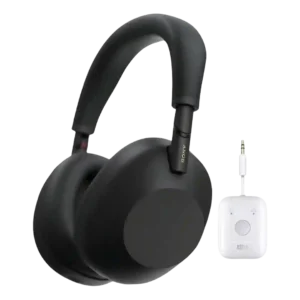
Passive isolation was a major strength in lab and hands-on impressions, helping the headphones block substantial noise even before ANC.
Pros: Sound quality, Active noise cancellation
Cons: Touch control responsiveness, Spatial audio

Passive isolation was a major strength in lab and hands-on impressions, helping the headphones block substantial noise even before ANC.
Pros: Sound quality, Active noise cancellation
Cons: Touch control responsiveness, Spatial audio
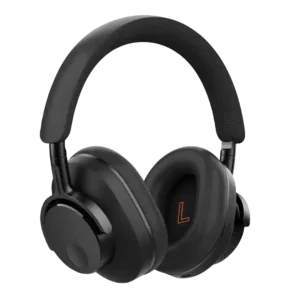
Passive noise isolation is a notable strength, with reviewers praising how much noise is blocked before ANC.
Pros: Overall recommendation, Comfort during long use
Cons: Headband padding quality, Spatial audio

Passive isolation is consistently good for an on-ear headphone and helps before ANC is even enabled. Reviewers still note that over-ear designs can seal more completely.
Pros: Battery, Design and Aesthetics
Cons: Clamping force comfort, Soundstage width
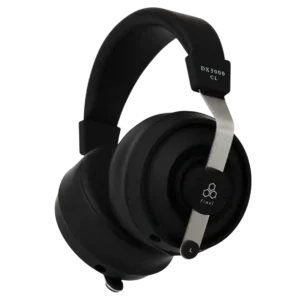
Passive isolation is strong for a wired closed-back, helped by the thick, conforming pads. It is not portrayed as class-leading, but it blocks enough outside sound for shared spaces and...
Pros: Overall recommendation, Instrument separation
Cons: Dynamic performance, 3.5mm analog input availability
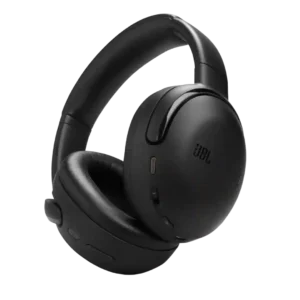
Passive isolation was praised as impressive and helpful even before active noise cancellation was enabled.
Pros: Sound quality, Dongle
Cons: Premium feel, Build quality
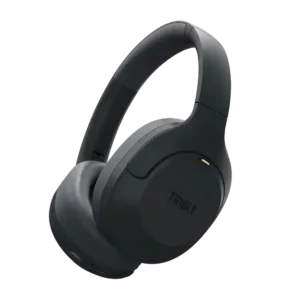
The earcups seal well even before ANC is switched on, cutting some outside distraction and giving the active cancellation a stronger starting point.
Pros: Value for money, Sound quality
Cons: Button control usability, App
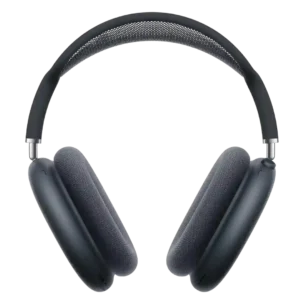
Passive isolation from the earcups helped ANC and was praised where fit fully enclosed the ears.
Pros: Active noise cancellation, Sound quality
Cons: Value for money, Carry case quality
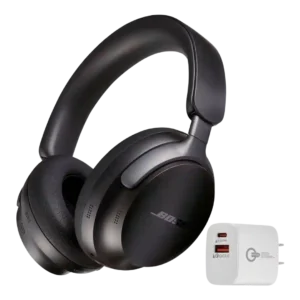
Reviewers treated noise isolation (passive) as a standout strength, with praise repeated across the supporting review evidence.
Pros: Active noise cancellation, Sound quality
Cons: Battery, Immersive audio quality
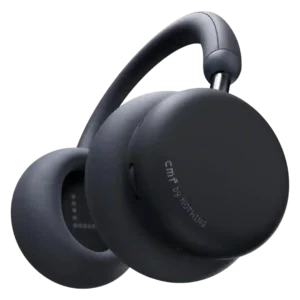
Passive isolation is consistently strong thanks to the large, well-sealing earcups. Even without ANC, the fit blocks a useful amount of surrounding noise and helps the active cancellation work more...
Pros: Sound quality, Active noise cancellation
Cons: Treble clarity, Equalizer customization
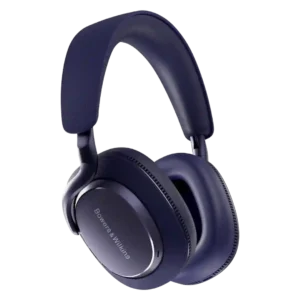
Passive isolation benefits from an easy seal and contributes meaningfully to noise reduction.
Pros: Sound quality, Active noise cancellation
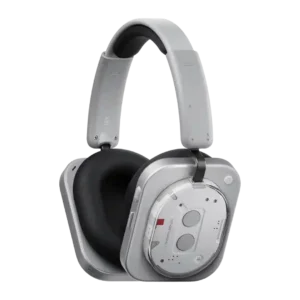
Passive isolation was a clear strength, with the ear pads and seal repeatedly helping noise reduction even before ANC.
Pros: Sound quality, Battery
Cons: Weight comfort, Soundstage width
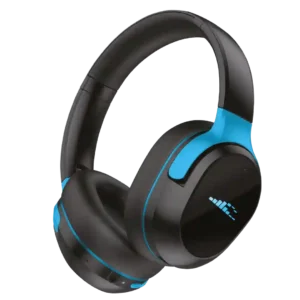
The thick over-ear cushions provide strong passive isolation before ANC is even engaged. That seal helps cut gym, travel, and office noise without using extra battery.
Pros: Water/sweat resistance rating, Comfort during long use
Cons: Value for money, Workout heat and sweat buildup
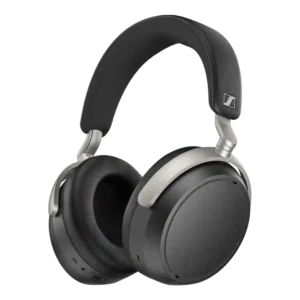
Passive isolation benefits from the deeper pads and seal, although heat retention and fit sensitivity can affect results.
Pros: Sound quality, Active noise cancellation
Cons: Premium feel, Multipoint connectivity reliability
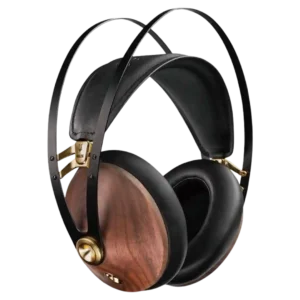
Passive isolation is one of the strongest points, often beating similarly priced closed-backs and making moderate background noise easy to ignore.
Pros: Overall satisfaction, Bass performance
Cons: Replaceable earpads
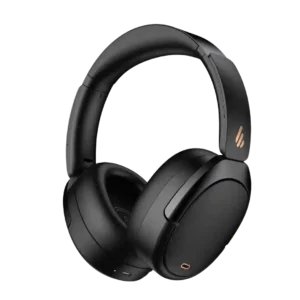
Passive isolation was praised through the protein-leather seal's ability to reduce outside noise.
Pros: Battery, Value for money
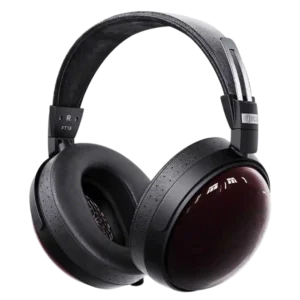
Passive isolation ranges from decent to very good when the fit seals properly, with pad choice making a noticeable difference. Poor coupling on smaller heads can reduce both isolation and...
Pros: Bass performance, Comfort during long use
Cons: Treble clarity, Midrange clarity
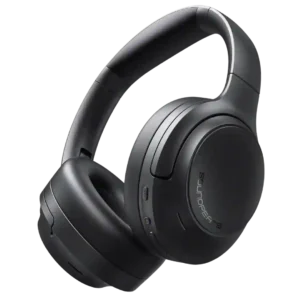
Passive isolation is already useful before ANC is engaged, reducing a noticeable amount of surrounding noise.
Pros: Overall satisfaction, Sound quality
Cons: Carry case quality, Transparency mode quality
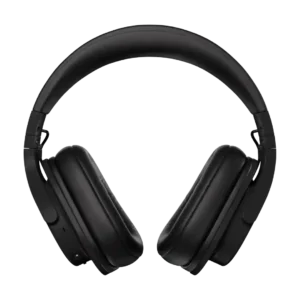
Passive isolation was considered substantial enough to reduce everyday noise, though not a full ANC substitute.
Pros: Overall recommendation, Value for money
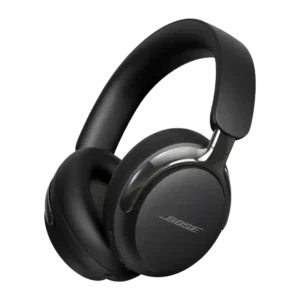
Passive isolation is considered useful and fairly good, but one reviewer notes the foam is not the thickest.
Pros: Active noise cancellation, Comfort during long use
Cons: Value for money, Equalizer customization
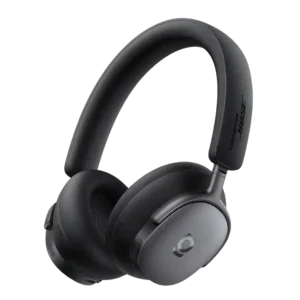
Passive isolation was mixed: several reviewers credited the seal for blocking sound, while one found almost no passive isolation.
Pros: Bass performance, Overall recommendation
Cons: Transparency mode quality, Immersive audio quality
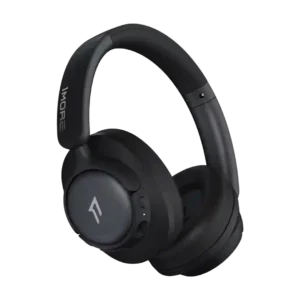
Passive isolation was decent overall, but one reviewer noted an imperfect seal while another praised low leakage and passive isolation.
Pros: Battery, Sound quality
Cons: Midrange clarity, Button control usability
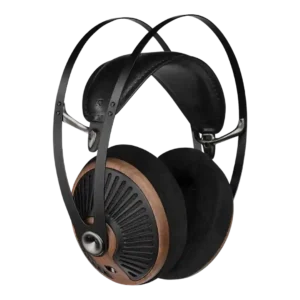
Isolation is minimal, as expected from an open-back headphone, though the rear damping provides a small amount of attenuation. It remains best suited to quiet rooms rather than noisy public...
Pros: Design and Aesthetics, Overall recommendation
Cons: Noise isolation (passive), Connectivity options
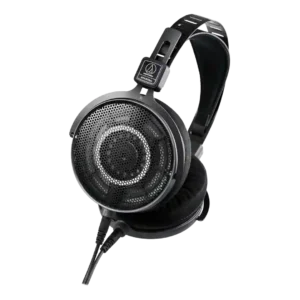
Passive isolation is limited by the open-back design, making the headphones unsuitable for recording or noisy environments despite one reviewer finding outside sounds not too distracting.
Pros: Sound quality, Overall recommendation
Cons: Cable quality, Volume output
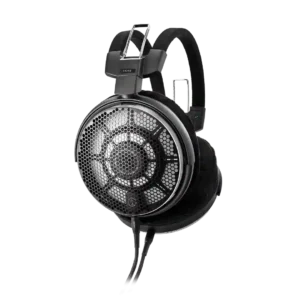
The fully open design offers little isolation and works best in a quiet room.
Pros: Overall recommendation, Bass performance
Cons: Value for money, Cable quality
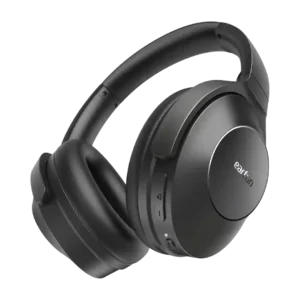
Passive isolation received weak evidence from PCMag, which said the headphones did not isolate external sound well.
Pros: Battery, Equalizer customization
Cons: ANC background noise level, Active noise cancellation
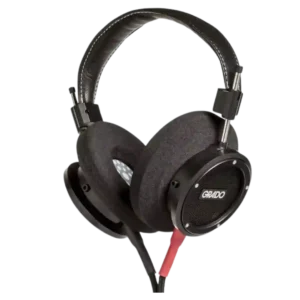
The open-back construction offers little practical isolation from noisy surroundings. It is better suited to quiet home listening than portable use in busy environments.
Pros: Build quality, Overall satisfaction
Cons: Comfort during long use, Weight comfort