Best for Ecosystem integration
Beats 360
5.0 attribute score
Highest scored product for this attribute based on supporting review evidence.

Highest scored product for this attribute based on supporting review evidence.
Balances the attribute score, supporting reviews, and overall product strength.
Has the broadest review evidence for this attribute.
Strongest overall product among items with scored evidence for this attribute.

Ecosystem integration is a major strength: iPhone users get AirPods-like pairing and switching, while Android still receives Fast Pair, Find Hub and useful native controls.
Pros: Overall recommendation, Replaceable pads/headband
Cons: 3.5mm analog input availability, Travel friendliness

Ecosystem integration was a major strength, with reviewers praising Apple-device switching and deep iPhone, iPad and Mac behavior.
Pros: Active noise cancellation, Sound quality
Cons: Value for money, Carry case quality

Native Apple Find My and Google Find Hub support integrates the headphones cleanly with both major mobile ecosystems.
Pros: Overall recommendation, Battery
Cons: Wear detection auto-pause, Noise isolation (passive)

Apple ecosystem integration was strongly praised for seamless pairing, easy device switching, and daily-use convenience.
Pros: Sound quality, Active noise cancellation
Cons: Carry case quality, Value for money

Phone-and-computer switching usually works conveniently across ecosystems. LDAC and occasional notification behavior introduce tradeoffs in a multi-device setup.
Pros: Sound quality, Comfort during long use
Cons: Carry case quality, Included accessories

Google account integration adds useful convenience on Android by remembering the headphones for quick reconnects across compatible devices.
Pros: Battery, Design and Aesthetics
Cons: Clamping force comfort, Soundstage width
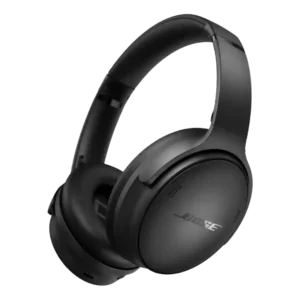
Ecosystem integration was praised by TechRadar for Bose SimpleSync with compatible Bose speakers and soundbars.
Pros: Active noise cancellation, Carry case quality
Cons: Features at launch, Treble clarity
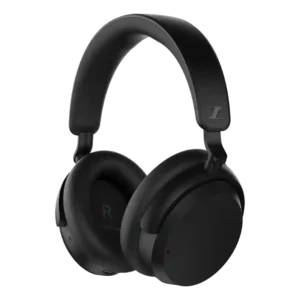
Ecosystem integration was positive in the one review that emphasized two-device Bluetooth use regardless of ecosystem.
Pros: Sound quality, Overall recommendation
Cons: Active noise cancellation, Microphone quality for calls

Connections and switching work smoothly across common devices, including Apple hardware, without locking the best everyday controls to one ecosystem.
Pros: Comfort during long use, Premium feel
Cons: Battery, Value for money

Ecosystem integration is a useful extra for owners of other supported Bowers & Wilkins devices.
Pros: Sound quality, Active noise cancellation
Pairing and switching across phone and computer ecosystems provide useful flexibility. Users with mixed devices appreciate the convenience.
Pros: Active noise cancellation, Sound quality
Cons: Bass performance, Midrange clarity
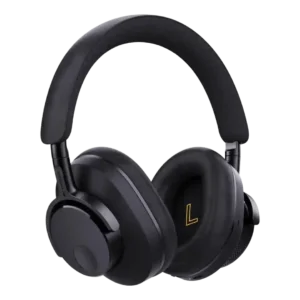
Ecosystem integration evidence was limited but positive, with Google Fast Pair enabling one-tap pairing.
Pros: Value for money, Sound quality
Cons: Stability, Wind noise handling
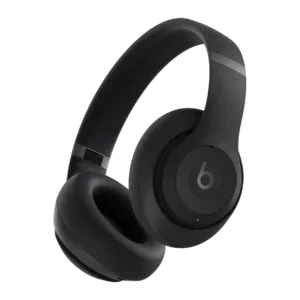
Ecosystem integration was strong across Apple and Android, but some compromises remained compared with platform-specific rivals.
Pros: Sound quality, Active noise cancellation
Cons: Comfort during long use, Value for money

Auracast can link the headphones with compatible JBL speakers such as the Flip 7 or Go 5, adding a useful shared-listening option.
Pros: Overall recommendation, Active noise cancellation
Cons: Bass performance, Clamping force comfort

Ecosystem integration evidence was limited but positive, with Android-oriented convenience from Find My and Fast Pair features.
Pros: Comfort during long use, Charging
Cons: Spatial audio, Volume output

Android ecosystem integration was a plus in Tom’s Guide because Google Find My was available on Android.
Pros: Overall recommendation, Value for money
Cons: Bass performance, Midrange clarity
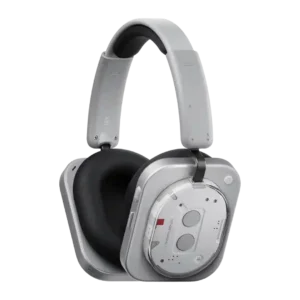
Ecosystem perks were useful for Nothing Phone users, but some exclusive features limited broader appeal.
Pros: Sound quality, Battery
Cons: Weight comfort, Soundstage width

Apple and Google device-finding support is a welcome cross-platform strength, but Apple’s restricted shared-audio ecosystem limits one specific use case.
Pros: Battery, Charging
Cons: Value for money, Codec support

Nothing-phone integration adds extra shortcuts such as Channel Hop, but some functions work best inside Nothing’s own ecosystem rather than equally across Android devices.
Pros: Battery, Active noise cancellation
Cons: Bass performance, Carry case quality

Ecosystem integration was limited by Apple devices missing the full LDAC experience, even though iOS still retained app access.
Pros: Battery, Active noise cancellation
Cons: Transparency mode quality, Carry case quality
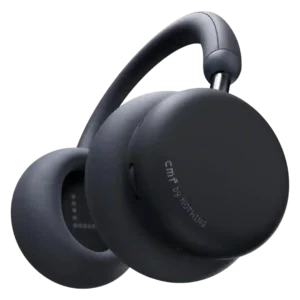
Ecosystem integration is mostly good but not perfectly even. Some advanced functions may lean more heavily on Nothing OS or Android, so buyers outside that ecosystem may not get identical...
Pros: Sound quality, Active noise cancellation
Cons: Treble clarity, Equalizer customization
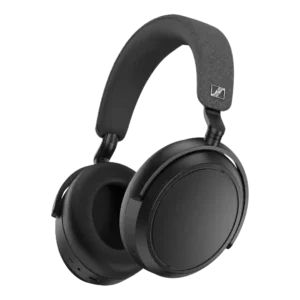
Ecosystem integration was limited for Apple-centric users because one review noted the lack of iOS-only features.
Pros: Sound quality, Comfort during long use
Cons: Microphone quality for calls, Transparency mode quality
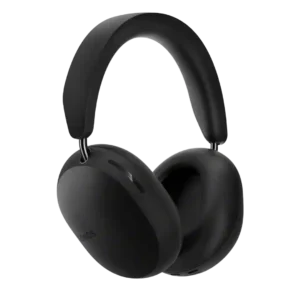
Ecosystem integration was the most repeated tradeoff, praised for TV Audio Swap but criticized for no full Wi-Fi/Sonos-zone behavior.
Pros: Overall recommendation, Comfort during long use
Cons: Ecosystem integration, Equalizer customization

Ecosystem integration was limited compared with Apple-style multi-device behavior, according to one reviewer used to that ecosystem.
Pros: Battery, Sound quality
Cons: App, Multipoint connectivity reliability

Ecosystem integration was limited by app/platform restrictions for certain 360 Reality Audio features.
Pros: Midrange clarity, Comfort during long use
Cons: Build quality, Microphone noise reduction

A user misses the automatic switching across iCloud devices available on Apple headphones. Multipoint provides a useful substitute for two connected devices but does not reproduce that ecosystem convenience.
Pros: Active noise cancellation, Sound quality
Cons: Headband padding quality, Workout heat and sweat buildup
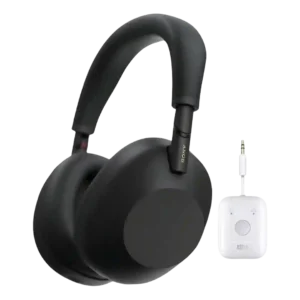
Ecosystem integration was criticized where discussed because Sony's own ecosystem and PlayStation support felt incomplete.
Pros: Sound quality, Active noise cancellation
Cons: Touch control responsiveness, Spatial audio