
LDAC is a notable value feature and several reviewers heard worthwhile gains in clarity or detail on compatible Android devices. It cannot be used at the same time as multipoint,...
Pros: Overall satisfaction, Sound quality
Cons: Spatial audio

LDAC is a notable value feature and several reviewers heard worthwhile gains in clarity or detail on compatible Android devices. It cannot be used at the same time as multipoint,...
Pros: Overall satisfaction, Sound quality
Cons: Spatial audio

LDAC usually adds audible detail and is a notable advantage for compatible Android devices. One reviewer felt it was wasted on this airy design, and several notes point to a...
Pros: Overall satisfaction, Sound quality
Cons: Active noise cancellation, Carry case quality

LDAC is welcomed as a high-quality wireless option, and several tests report stable high-bitrate playback. Source support and multipoint restrictions determine whether it fits a particular setup.
Pros: Comfort during long use, Ear cup padding quality
Cons: Frequency response accuracy, Treble clarity

LDAC is a welcome option for higher-quality Bluetooth listening on compatible devices. It strengthens the Maxwell 2’s appeal as a music headset as well as a gaming headset.
Pros: Overall satisfaction, Sound quality
Cons: Weight comfort, Comfort during long use

LDAC can produce a cleaner, clearer presentation than standard AAC on compatible devices, and reviewers value seeing it at this price.
Pros: Battery, Active noise cancellation
Cons: Bass performance, Carry case quality

LDAC support is useful for higher-quality wireless listening and was judged to sound good through the Pro’s drivers, though it shortens battery life.
Pros: Active noise cancellation, Overall recommendation
Cons: Carry case quality, Value for money

LDAC produces a noticeable lift in openness, vocal naturalness, and fine detail when used with a compatible source.
Pros: Comfort during long use, Premium feel
Cons: Battery, Value for money

LDAC support was well received, especially for Android users and for remaining available during multipoint use.
Pros: Battery, Active noise cancellation
Cons: Transparency mode quality, Carry case quality
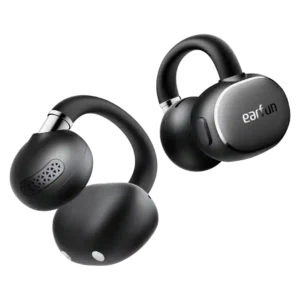
LDAC is a rare premium feature at this price and can add detail on compatible Android devices. It disables multipoint and cuts battery life sharply, leading some reviewers to prefer...
Pros: Overall satisfaction, Sound quality
Cons: Maximum volume clarity, Noise isolation (passive)

LDAC is a welcome first for Marshall and can reveal more detail with compatible Android devices. One technical test questioned whether the headphones deliver the full high-frequency extension associated with...
Pros: Overall recommendation, Battery
Cons: Wear detection auto-pause, Noise isolation (passive)

Compatible Android listening can gain texture, separation, and upper-range detail with LDAC. Shorter battery life and recording-feature tradeoffs mean it is not always worth leaving enabled.
Pros: Overall satisfaction, Value for money
Cons: AI transcription and summaries, Spatial audio
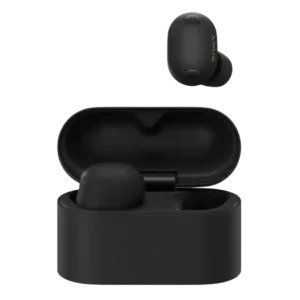
LDAC was praised for Android high-resolution playback and better Bluetooth quality, though one reviewer noted it is not useful to iPhone owners.
Pros: Active noise cancellation, Sound quality
Cons: Spatial audio, Ear tip size options
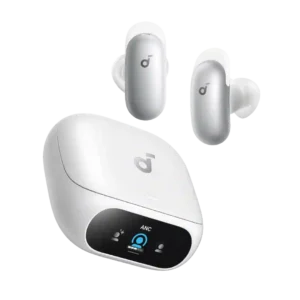
LDAC support is a plus for Android and hi-res listeners. The caveat is that some modes, such as multipoint or spatial processing, can force tradeoffs.
Pros: Sound quality, Microphone quality for calls
Cons: Battery, Bluetooth
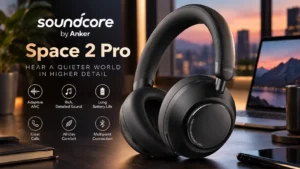
LDAC is welcomed for high-resolution support, and one comparison hears slightly improved treble refinement and detail. It brings a battery-life tradeoff rather than guaranteeing better tuning.
Pros: Active noise cancellation, Sound quality
Cons: Carry case quality, Included accessories

LDAC drew qualified praise for added detail and near-wired playback in some reviews, while another noted connection stability can vary.
Pros: Overall recommendation, Comfort during long use
Cons: Sound quality, Frequency response accuracy

LDAC can improve clarity, separation, and detail on compatible Android devices. It may also cause occasional dropouts, use more power, and disable some personalized or spatial features.
Pros: Overall recommendation, Active noise cancellation
Cons: Bass performance, Clamping force comfort
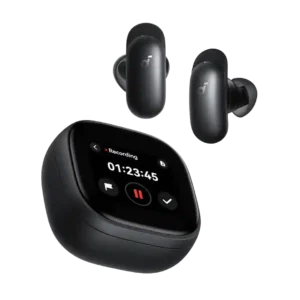
LDAC is appreciated by Android users who want higher-resolution wireless audio, but it comes with practical tradeoffs. It is unavailable with three-device multipoint and does not help iPhone users.
Pros: Overall satisfaction, Active noise cancellation
Cons: Value for money, AI transcription and summaries
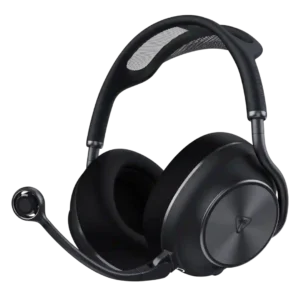
LDAC can provide higher-quality Bluetooth listening, but support is restricted to the PC/PlayStation version rather than the broadly compatible Xbox model.
Pros: Overall satisfaction, Sound quality
Cons: Weight comfort, Stability

LDAC support is a recurring disappointment because reviewers expected Sony's own higher-end codec at this price.
Pros: Battery, Stability
Cons: Value for money, Charging

LDAC is absent, and multiple testers called that omission disappointing for buyers expecting premium music features.
Pros: Battery, Charging
Cons: Value for money, Codec support

LDAC is absent, which matters most to Android listeners who want higher-bitrate Bluetooth audio.
Pros: Overall recommendation, Replaceable pads/headband
Cons: 3.5mm analog input availability, Travel friendliness
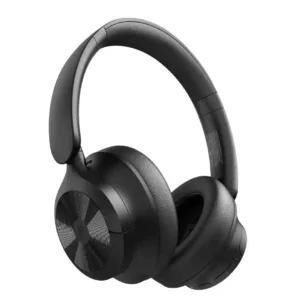
LDAC is not supported, a clear limitation for listeners who want higher-bitrate Bluetooth playback.
Pros: Comfort during long use, Sound quality
Cons: Button control usability, Codec support
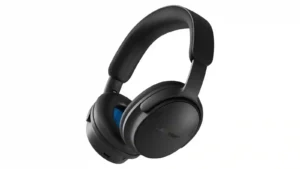
LDAC is absent, and reviewers who care about high-resolution wireless playback see that as a meaningful competitive disadvantage.
Pros: Overall recommendation, Active noise cancellation
Cons: Battery, Equalizer customization