Best for Detachable cable convenience
FiiO FT13
5.0 attribute score
Highest scored product for this attribute based on supporting review evidence.

Highest scored product for this attribute based on supporting review evidence.
Balances the attribute score, supporting reviews, and overall product strength.
Has the broadest review evidence for this attribute.
Strongest overall product among items with scored evidence for this attribute.
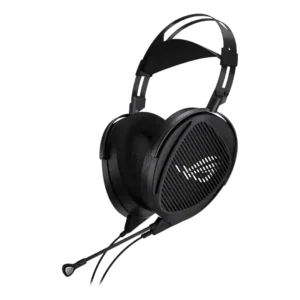
The mic cable is easy to remove and exchange for the dedicated listening cable, making it simple to move between gaming and music setups.
Pros: Overall satisfaction, Sound quality
Cons: Microphone, Headband adjustability
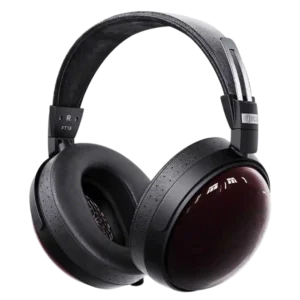
The modular cable system makes changing between balanced and single-ended terminations quick and convenient without replacing the whole cable.
Pros: Bass performance, Comfort during long use
Cons: Treble clarity, Midrange clarity
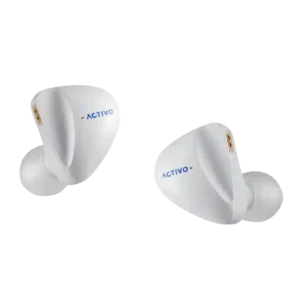
The modular cable lets owners change connectors, replace a failed cable, or use a preferred aftermarket option.
Pros: Value for money, Multi-platform compatibility
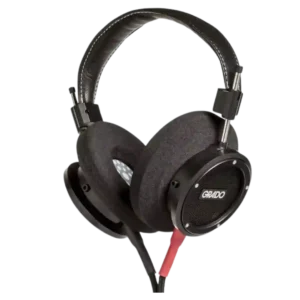
Detachable mini-XLR cabling is widely treated as a major Grado improvement. Swappable lengths and balanced terminations make the S750 far easier to adapt to different amplifiers and listening positions.
Pros: Build quality, Overall satisfaction
Cons: Comfort during long use, Weight comfort
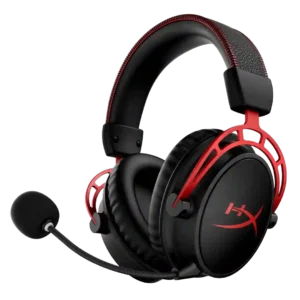
Detachable cabling is strongly appreciated because it improves repairability, portability, and non-gaming use.
Pros: Sound quality, Comfort during long use
Cons: Ear cup swivel/rotation range, Connectivity versatility
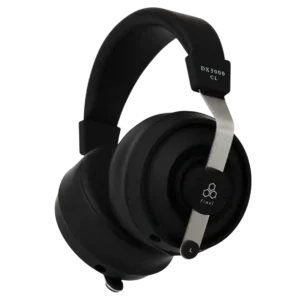
Cable swapping is straightforward, and common aftermarket dual-3.5mm cables fit well in the recessed sockets. That makes replacement and system matching relatively easy.
Pros: Overall recommendation, Instrument separation
Cons: Dynamic performance, 3.5mm analog input availability
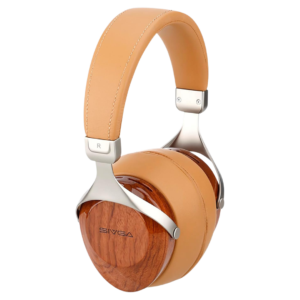
Detachable leads make cable replacement and swapping straightforward, a valuable benefit given the stock cable complaints. The dual 2.5mm arrangement is less common than standard single-entry designs.
Pros: Comfort during long use, Sound quality
Cons: Treble clarity, Durability over time
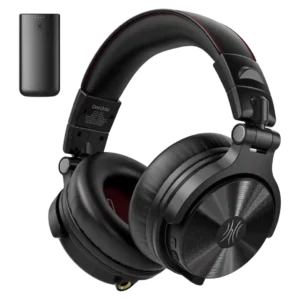
The wired fallback and detachable cable setup were consistently useful, especially for passive operation when the battery dies or for secure DJ/studio use.
Pros: Overall recommendation, Comfort during long use
Cons: Sound quality, Frequency response accuracy
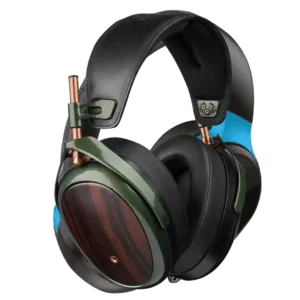
Standard dual 3.5mm cup connections make cable replacement and third-party upgrades simple, secure, and widely compatible.
Pros: Bass performance, Design and Aesthetics
Cons: Headband adjustability
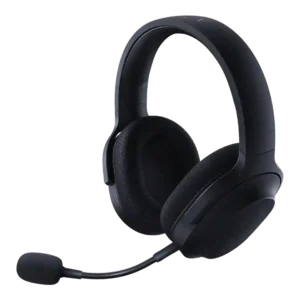
The detachable analog cable was useful for broad compatibility, especially for wired fallback on devices without wireless support.
Pros: Sound quality, Microphone
Cons: Dongle, Equalizer customization
A detachable analog cable is appreciated because a worn connector need not mean replacing the headphones. That practical design choice supports easier maintenance.
Pros: Comfort during long use, Ear cup padding quality
Cons: Frequency response accuracy, Treble clarity
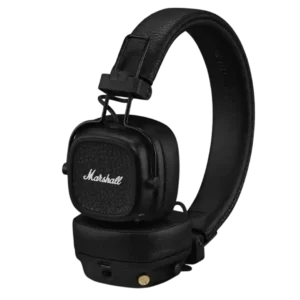
The detachable analog cable was praised for enabling the music-sharing trick with another pair of headphones.
Pros: Battery, Overall recommendation
Cons: Active noise cancellation, Noise isolation (passive)
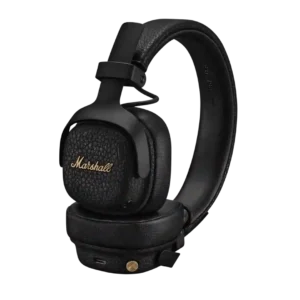
The detachable USB-C-to-3.5mm cable makes it easy to switch between wireless and legacy wired sources without carrying a permanently attached lead.
Pros: Overall recommendation, Battery
Cons: Wear detection auto-pause, Noise isolation (passive)
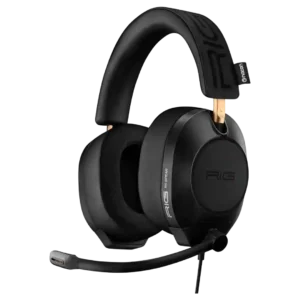
The detachable cable system was praised for its implementation and magnetic convenience in one detailed review.
Pros: Sound quality, Value for money
Cons: Button control usability, Dongle
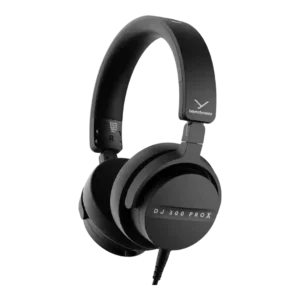
Detachable cable convenience is a clear strength, with reviewers noting locking connectors and the option to connect from either earcup.
Pros: Bass performance, Detachable cable convenience
Cons: Comfort during long use
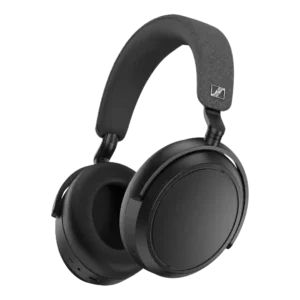
Detachable cable convenience was positive because the wired option kept the headphones usable across different work and casual listening situations.
Pros: Sound quality, Comfort during long use
Cons: Microphone quality for calls, Transparency mode quality
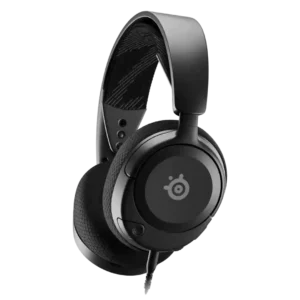
Detachable cable convenience is mostly positive, with reviewers appreciating easier travel, replacement, and cable flexibility.
Pros: Value for money, Sound quality
Cons: Bass performance, Clamping force comfort
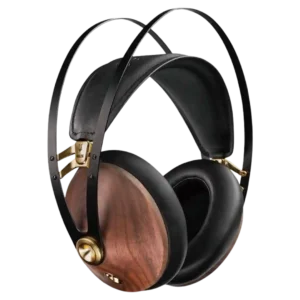
Larger dual 3.5 mm sockets improve aftermarket cable compatibility, while the detachable layout supports easier ownership and replacement.
Pros: Overall satisfaction, Bass performance
Cons: Replaceable earpads
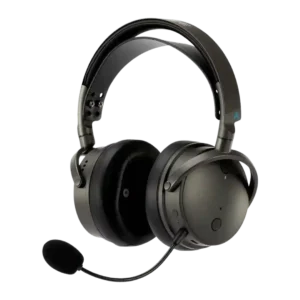
The wired option is valued as a useful fallback or flexibility feature, even though the headset still needs power.
Pros: Sound quality, Battery
Cons: Headband adjustability, Weight comfort
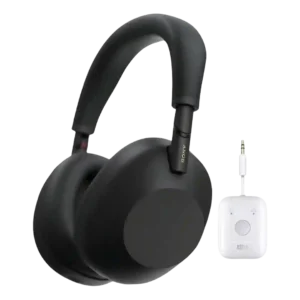
Detachable analog cable use was useful for low-latency wired listening, though broader cable quality drew criticism elsewhere.
Pros: Sound quality, Active noise cancellation
Cons: Touch control responsiveness, Spatial audio
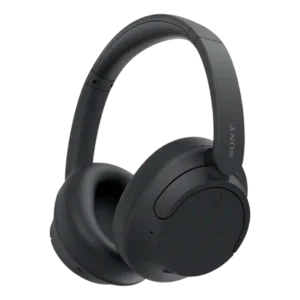
Wired listening was useful in a pinch, and one reviewer heard no major sound-quality penalty when using it powered on.
Pros: Midrange clarity, Comfort during long use
Cons: Build quality, Microphone noise reduction
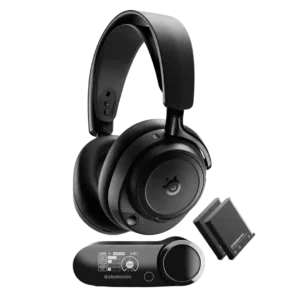
The analog cable option is useful in at least one real use case, where the reviewer said it worked well when directly powered.
Pros: Sound quality, Connectivity versatility
Cons: Value for money, Carry case quality
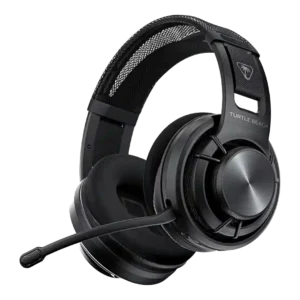
The detachable/wired cable option is a practical convenience for backup wired use, especially when wireless or Xbox support is limited.
Pros: Comfort during long use, Sound quality
Cons: App, Bass performance
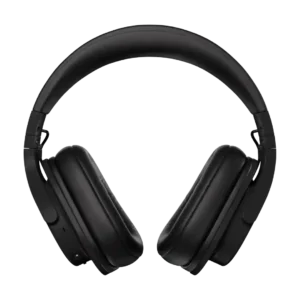
The detachable/wired option was useful for moments when wired listening or battery conservation mattered.
Pros: Overall recommendation, Value for money
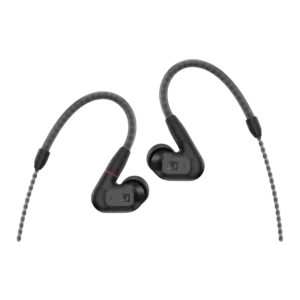
The detachable cable was valued for repairability, but recessed or proprietary MMCX behavior made third-party replacement less convenient.
Pros: Sound quality, Value for money
Cons: Cable quality, Integrated microphone
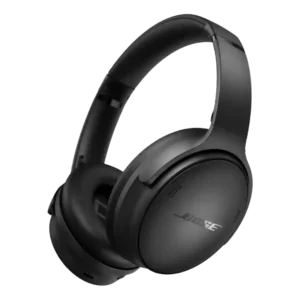
Detachable cable convenience was useful for passive listening, but one reviewer disliked the nonstandard 2.5mm headphone-side connector.
Pros: Active noise cancellation, Carry case quality
Cons: Features at launch, Treble clarity
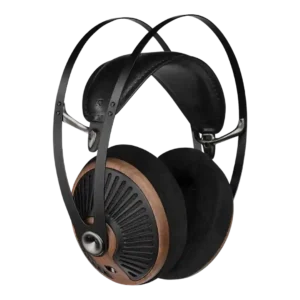
Dual 3.5 mm connections make the cable removable and serviceable, but the recessed sockets favor slim barrels. Aftermarket choices are workable, though less universal than on the 105 AER.
Pros: Design and Aesthetics, Overall recommendation
Cons: Noise isolation (passive), Connectivity options
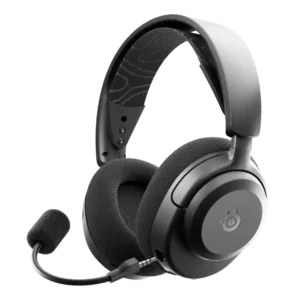
Detachable cable convenience was split between praise for replaceable/removable cables and criticism of a nonstandard aux-style cable.
Pros: Value for money, Sound quality
Cons: Treble clarity, Noise isolation (passive)
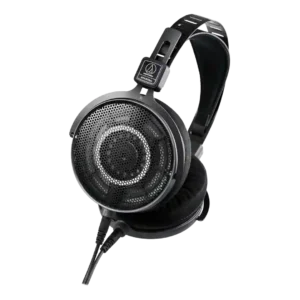
The detachable cable system is convenient for some because it locks, removes, and routes either way, but others dislike the proprietary or over-complicated design.
Pros: Sound quality, Overall recommendation
Cons: Cable quality, Volume output
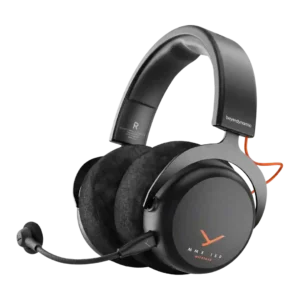
Detachable cable convenience is mixed because the removable cords help flexibility, but the short analog cable is criticized as less useful.
Pros: Sound quality, Comfort during long use
Cons: Equalizer customization, Console compatibility limitations
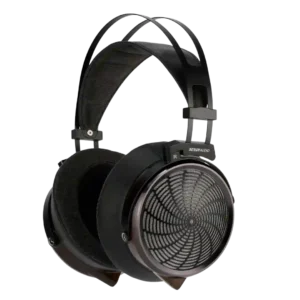
The detachable cable can be replaced if it fails, which supports longer ownership. However, the single-ring right-side connector limits compatible aftermarket choices.
Pros: Build quality, Comfort during long use
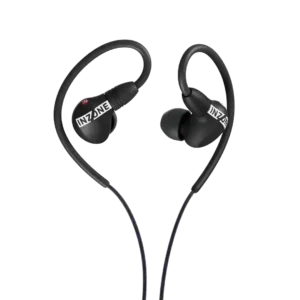
Cable replaceability gets mixed reports and mixed reactions. Where reviewers describe the cable as detachable, they appreciate easier replacement but note connector limitations; others describe their unit as fixed and...
Pros: Overall satisfaction, Sound quality
Cons: Bass performance, Treble clarity
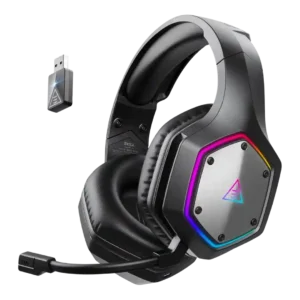
The fixed cable on the wired E1000 was criticized, while the WT version's detachable 3.5 mm option was praised as more flexible.
Pros: Sound quality, Comfort during long use
Cons: RGB lighting customization, Build quality
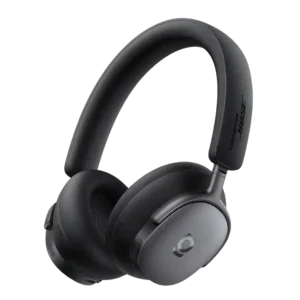
The detachable cable was useful as a dead-battery backup, but wired listening was not treated as the best way to use the headphones.
Pros: Bass performance, Overall recommendation
Cons: Transparency mode quality, Immersive audio quality
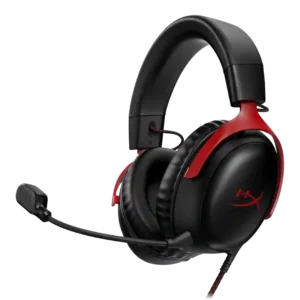
Detachable-cable convenience was mostly a weakness, with several wired or wireless reviews wishing for removability or wired fallback.
Pros: Value for money, Microphone
Cons: Spatial audio, Midrange clarity
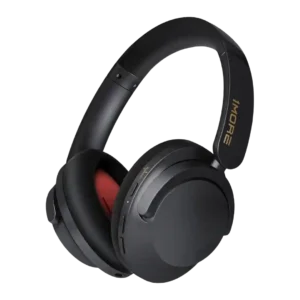
The detachable cable setup was considered less convenient because reviewers wanted a standard 3.5mm-to-3.5mm cable rather than the supplied nonstandard option.
Pros: Battery, Sound quality
Cons: App, Multipoint connectivity reliability
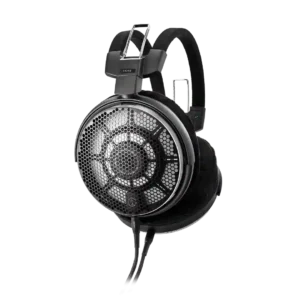
The detachable A2DC connection is secure and easy to use for some, but proprietary compatibility limits affordable replacement and cable-rolling choices.
Pros: Overall recommendation, Bass performance
Cons: Value for money, Cable quality
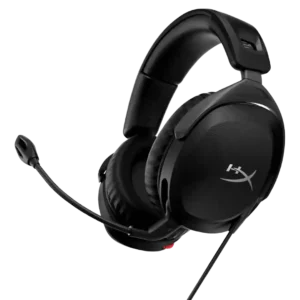
The fixed cable was criticized by at least one reviewer who explicitly wished it were detachable.
Pros: Value for money, Microphone
Cons: Build quality, Bass performance
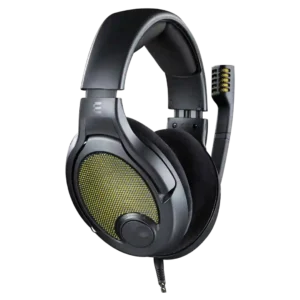
The cable is detachable, but the deeply recessed proprietary-style 2.5 mm connection limits easy third-party replacement. Multiple reviewers call that restriction inconvenient.
Pros: Sound quality, Overall satisfaction
Cons: Build quality, Clamping force comfort

Because the 360 has no wired playback path, there is no detachable audio-cable convenience to fall back on.
Pros: Overall recommendation, Replaceable pads/headband
Cons: 3.5mm analog input availability, Travel friendliness