If you want better Treble clarity
Choose Sennheiser CX 80U Wired Earbuds. It scores 4.3 vs 2.9 for Treble clarity, with a 3.7 overall score.

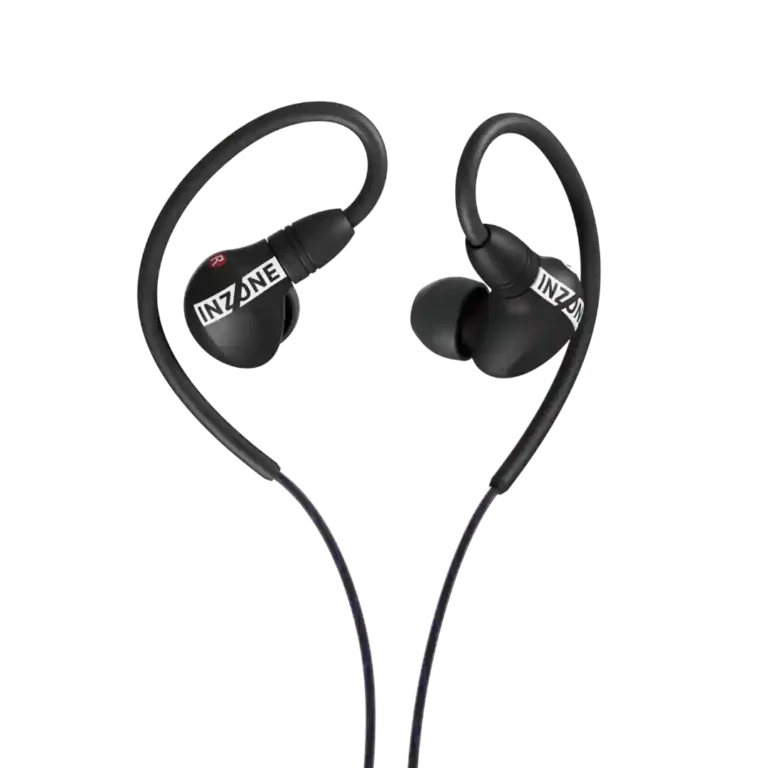
Choose it if competitive shooters are your priority and you want precise positional cues, strong passive isolation, and long-session comfort. Skip it if you need a built-in mic or want rich bass and equally good music, movie, and story-game performance.
Competitive FPS players who prioritize positional cues, separation, passive isolation, and a lightweight wired fit. It also suits tournament or travel setups where zero charging and a compact case matter.
Listeners who want one pair for music, films, story-heavy games, and team chat. Bass lovers, users who need a built-in mic, and non-Windows buyers wanting full software control should look elsewhere.
The Sony Inzone E9 is unusually focused, and that focus pays off for competitive shooters. Across expert and customer feedback, positional accuracy, separation, passive isolation, and long-session comfort are the clearest strengths; footsteps and directional cues often remain easy to track even in chaotic firefights. The tradeoff is versatility. Many listeners find the bass too restrained and music or cinematic games flat, hollow, or clinical, although a minority reports richer, more balanced sound with the right tips, dongle, or EQ. The USB-C audio box and INZONE Hub add useful spatial processing and customization, but full software control is Windows-centric. With no built-in microphone and a $150 price, the E9 makes the most sense as a specialized competitive tool rather than an all-purpose earbud.
Compared with other Earbuds, this product is above average in Smudge resistance, Cable quality, Spatial audio, near average in Comfort during long use, Sound quality, below average in Integrated microphone, Bass performance, Treble clarity.
| Attribute | This product | Category average | Difference |
|---|---|---|---|
| Integrated microphone | 2.0 | 4.1 | -2.1 |
| Smudge resistance | 5.0 | 3.1 | +1.9 |
| Cable quality | 4.3 | 2.8 | +1.4 |
| Bass performance | 2.7 | 4.0 | -1.3 |
| Spatial audio | 4.4 | 3.2 | +1.3 |
| Ear-tip replacement | 5.0 | 3.5 | +1.5 |
| Ear tip size options | 5.0 | 3.7 | +1.3 |
| Lossless audio support | 5.0 | 3.6 | +1.4 |
Choose Sennheiser CX 80U Wired Earbuds. It scores 4.3 vs 2.9 for Treble clarity, with a 3.7 overall score.
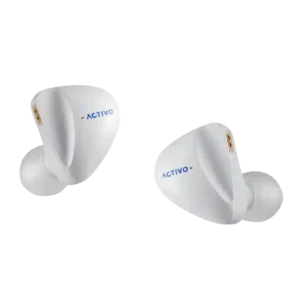
Choose Activo Scoop. It scores 4.3 vs 2.7 for Bass performance, with a 4.7 overall score.
Choose EarFun Air Pro 4 Plus. It scores 4.5 vs 3.7 for Value for money, with a 3.9 overall score.
Choose Denon Perl Pro True Wireless Earbuds. It scores 4.7 vs 3.4 for Build quality, with a 4.2 overall score.
Products reviewers directly compared with this model, grouped into quick takeaways.
Yes. Positional accuracy, footstep clarity, separation, and passive isolation are the most consistently praised parts of the E9.
No. Multiple reviewers flag the missing mic as a drawback, so team chat usually requires a separate microphone or another device’s mic.
Opinions vary, but many reviewers find the tuning too bass-light, flat, hollow, or clinical for music and story-driven games. A smaller group reports fuller, more enjoyable sound.
Usually. Many users report several hours of comfortable wear, though some experience stiff earhooks, tip sensitivity, or ear discomfort after extended use.
Very good with a proper seal, especially using the dedicated isolation tips. Reviewers commonly report substantial reduction of voices, keyboards, and room noise.
It enables INZONE Hub features such as EQ, spatial sound, profiles, and other processing while also broadening USB-C device connectivity. Some users dislike needing it for the full experience.
No. The full INZONE Hub customization experience is Windows-focused, while consoles, Mac, Linux, and mobile devices have more limited control.
These are a few of the reviews included in our analysis.

Sony INZONE E9 Review vs Sennheiser IE 200: Competitive Gaming or Pure Sound?
When it comes to gaming headphones, brands like Strauss & Wagner, Sennheiser, and Final Audio have some great options for wired in-ear...
Sony INZONE E9 Review: Competitive Gaming IEMs Built for Precision
The Sony Inzone E9 in-ear gaming headphones are a good pick for hardcore FPS gamers thanks to their detailed directional sound, but are...
These wired gaming in-ears won't let you down when on the move. The Sony InZone E9 delivers precise audio and great comfort
Best for detailed, natural wired sound, three connector options, and standout value around $99. Skip it if you need wireless features, stronger bass, softer treble, or a compact fit for...
Pros: Value for money, Multi-platform compatibility
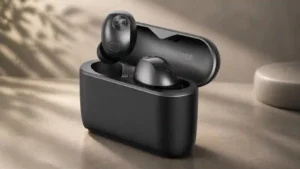
Choose these for excellent, balanced sound, a comfortable redesign, deep EQ tools and uniquely replaceable batteries. Skip them if you need class-leading ANC, consistently great calls or the smoothest treble...
Pros: User-replaceable batteries, Overall satisfaction
Cons: Auracast support, Sensors
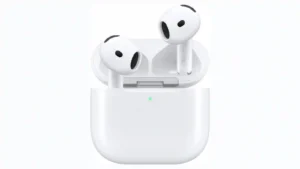
Choose the AirPods 5 for strong open-ear ANC, clearer sound, easy Apple-device switching, and excellent value. Skip them if you need all-day battery, a very secure workout fit, or full...
Pros: Overall satisfaction, Sound quality
Cons: Battery, Eartips fit
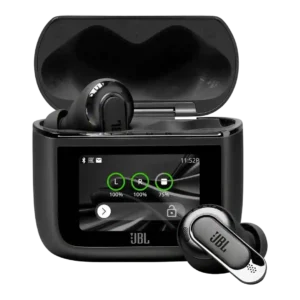
Choose the JBL Tour Pro 3 if you want feature-packed earbuds with strong sound, ANC, LDAC and a genuinely useful smart case. Skip them if you have smaller ears, want...
Pros: Sound quality, Carry case quality
Cons: Portability/foldability, Button control usability