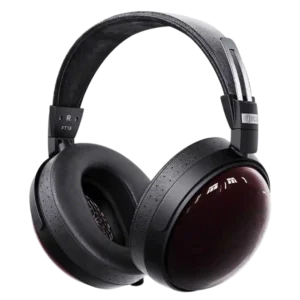
The modular cable system makes changing between balanced and single-ended terminations quick and convenient without replacing the whole cable.
Pros: Bass performance, Comfort during long use
Cons: Treble clarity, Midrange clarity

The modular cable system makes changing between balanced and single-ended terminations quick and convenient without replacing the whole cable.
Pros: Bass performance, Comfort during long use
Cons: Treble clarity, Midrange clarity
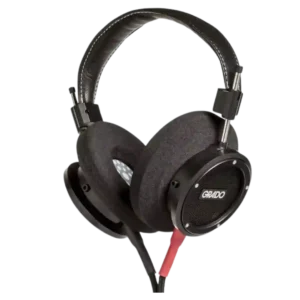
Detachable mini-XLR cabling is widely treated as a major Grado improvement. Swappable lengths and balanced terminations make the S750 far easier to adapt to different amplifiers and listening positions.
Pros: Build quality, Overall satisfaction
Cons: Comfort during long use, Weight comfort
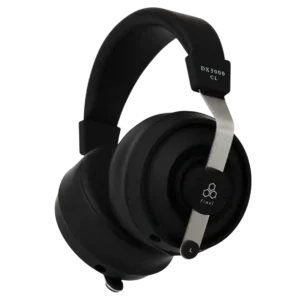
Cable swapping is straightforward, and common aftermarket dual-3.5mm cables fit well in the recessed sockets. That makes replacement and system matching relatively easy.
Pros: Overall recommendation, Instrument separation
Cons: Dynamic performance, 3.5mm analog input availability
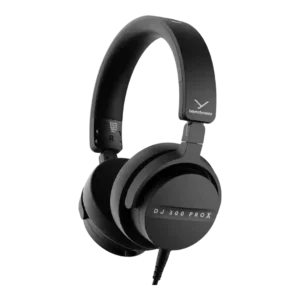
Detachable cable convenience is a clear strength, with reviewers noting locking connectors and the option to connect from either earcup.
Pros: Bass performance, Detachable cable convenience
Cons: Comfort during long use
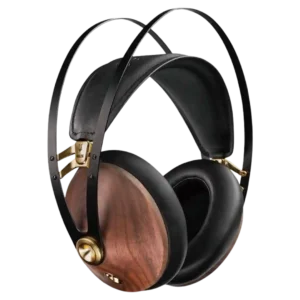
Larger dual 3.5 mm sockets improve aftermarket cable compatibility, while the detachable layout supports easier ownership and replacement.
Pros: Overall satisfaction, Bass performance
Cons: Replaceable earpads
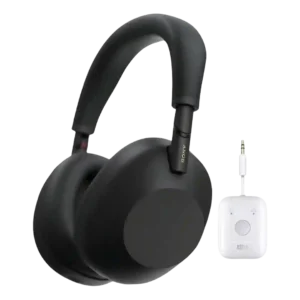
Detachable analog cable use was useful for low-latency wired listening, though broader cable quality drew criticism elsewhere.
Pros: Sound quality, Active noise cancellation
Cons: Touch control responsiveness, Spatial audio
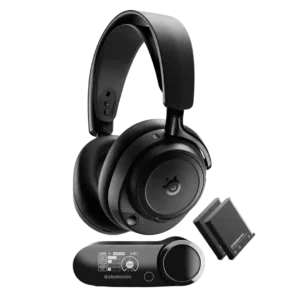
The analog cable option is useful in at least one real use case, where the reviewer said it worked well when directly powered.
Pros: Sound quality, Connectivity versatility
Cons: Value for money, Carry case quality

The detachable/wired option was useful for moments when wired listening or battery conservation mattered.
Pros: Overall recommendation, Value for money
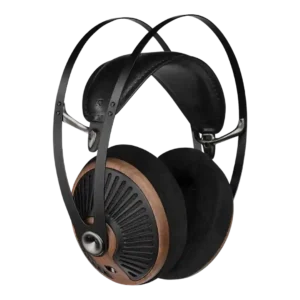
Dual 3.5 mm connections make the cable removable and serviceable, but the recessed sockets favor slim barrels. Aftermarket choices are workable, though less universal than on the 105 AER.
Pros: Design and Aesthetics, Overall recommendation
Cons: Noise isolation (passive), Connectivity options

Detachable cable convenience was split between praise for replaceable/removable cables and criticism of a nonstandard aux-style cable.
Pros: Value for money, Sound quality
Cons: Treble clarity, Noise isolation (passive)
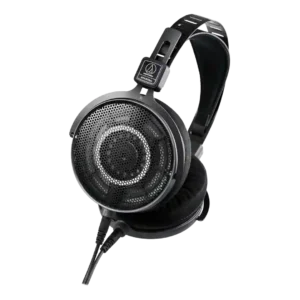
The detachable cable system is convenient for some because it locks, removes, and routes either way, but others dislike the proprietary or over-complicated design.
Pros: Sound quality, Overall recommendation
Cons: Cable quality, Volume output
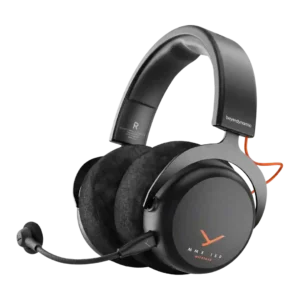
Detachable cable convenience is mixed because the removable cords help flexibility, but the short analog cable is criticized as less useful.
Pros: Sound quality, Comfort during long use
Cons: Equalizer customization, Console compatibility limitations
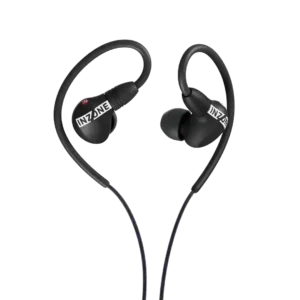
Cable replaceability gets mixed reports and mixed reactions. Where reviewers describe the cable as detachable, they appreciate easier replacement but note connector limitations; others describe their unit as fixed and...
Pros: Overall satisfaction, Sound quality
Cons: Bass performance, Treble clarity
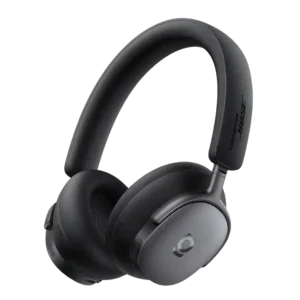
The detachable cable was useful as a dead-battery backup, but wired listening was not treated as the best way to use the headphones.
Pros: Bass performance, Overall recommendation
Cons: Transparency mode quality, Immersive audio quality
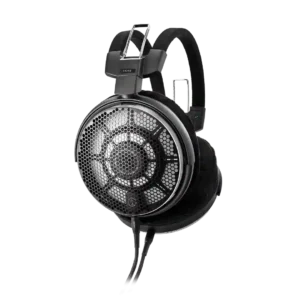
The detachable A2DC connection is secure and easy to use for some, but proprietary compatibility limits affordable replacement and cable-rolling choices.
Pros: Overall recommendation, Bass performance
Cons: Value for money, Cable quality