#1
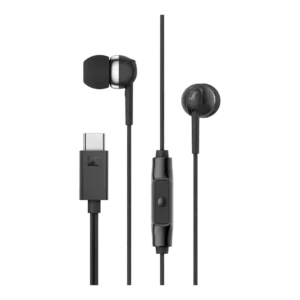
The integrated DAC is repeatedly identified as a standout feature because it enables high-resolution digital playback without a separate dongle. Reviewers see it as a major reason the earbuds punch...
Pros: Sound quality, Eartips fit
Cons: Overall satisfaction, Bass performance
#2
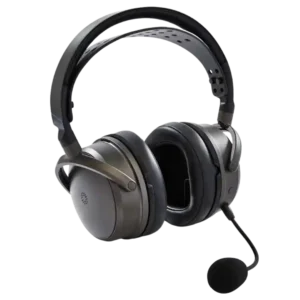
Digital USB playback is a major strength, supporting clean 24-bit/96kHz audio through the headset’s internal processing. It helps the Maxwell 2 function as a serious music-listening headset as well as...
Pros: Overall satisfaction, Sound quality
Cons: Weight comfort, Comfort during long use
#3
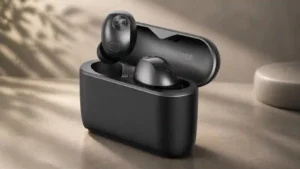
High-resolution 24-bit/96kHz playback is presented as a premium strength, with reviewers describing compatible high-res playback as exceptionally good.
Pros: User-replaceable batteries, Overall satisfaction
Cons: Auracast support, Sensors
#4
The onboard DAC and hi-res wired path are genuinely useful for lossless libraries, supporting high-resolution playback without fuss.
Pros: Active noise cancellation, Overall recommendation
Cons: Carry case quality, Value for money
#5
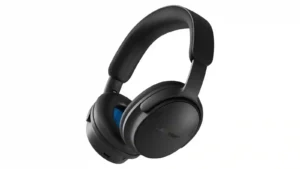
Wired high-resolution playback is a major strength. Reviewers consistently heard or valued the cleaner, more detailed lossless USB-C path, even when the improvement over Bluetooth was modest.
Pros: Overall recommendation, Active noise cancellation
Cons: Battery, Equalizer customization
#6

Hi-res playback is a consistent strength, with multiple sources praising or highlighting 48kHz lossless audio.
Pros: Design and Aesthetics, Built-in DAC and hi-res playback
#7

Wired hi-res playback can sound airier, more precise, and more detailed than standard wireless listening. The headphones still need power for processing and do not behave like a conventional passive...
Pros: Overall recommendation, Active noise cancellation
Cons: Bass performance, Clamping force comfort
#8
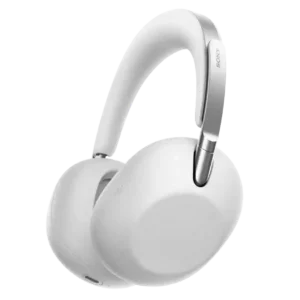
LDAC, wired lossless playback, and DSEE Ultimate can reveal more detail, especially with compressed or older recordings.
Pros: Comfort during long use, Premium feel
Cons: Battery, Value for money
#9
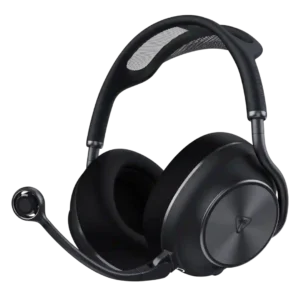
Certified 24-bit/96kHz playback gives the headset ample detail and headroom over compatible USB connections. Platform caps and subtle real-world differences mean the hi-res badge matters more to PC listeners than...
Pros: Overall satisfaction, Sound quality
Cons: Weight comfort, Stability
#10
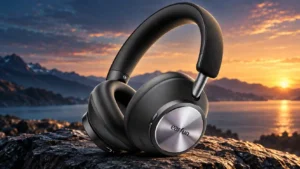
USB digital playback is praised for practical computer use and, in one comparison, cleaner definition than Bluetooth. Retaining ANC and offering control over USB charging make the wired path particularly...
Pros: Comfort during long use, Ear cup padding quality
Cons: Frequency response accuracy, Treble clarity
#11
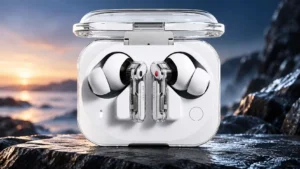
High-resolution playback is welcomed as an affordable extra rather than a reason to buy a flagship. LDAC-equipped listening is credited with preserving detail and energetic sound on compatible devices.
Pros: Overall satisfaction, Value for money
Cons: AI transcription and summaries, Spatial audio
#12
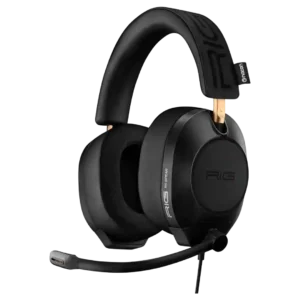
The included DAC and hi-res playback were a major value-add for many reviewers, improving clarity and enabling higher-quality or Dolby-supported listening, though one reviewer found it less useful.
Pros: Sound quality, Value for money
Cons: Button control usability, Dongle
#13
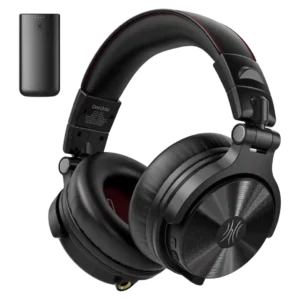
Hi-res playback evidence was positive, especially where reviewers heard good quality or near-wired LDAC playback.
Pros: Overall recommendation, Comfort during long use
Cons: Sound quality, Frequency response accuracy
#14
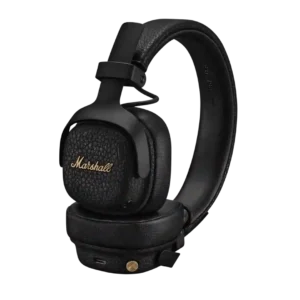
USB digital audio is driver-free, near-zero latency, and slightly clearer and more resolved than Bluetooth, making it useful for computers and production work.
Pros: Overall recommendation, Battery
Cons: Wear detection auto-pause, Noise isolation (passive)
#15
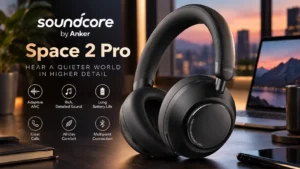
High-resolution playback support is welcomed, and one listening comparison finds a slightly more refined high end with LDAC. The improvement is modest rather than a complete change in sound character.
Pros: Active noise cancellation, Sound quality
Cons: Carry case quality, Included accessories
#16
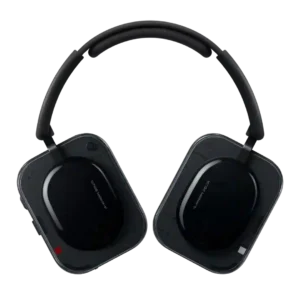
USB-C high-resolution playback can add a small improvement in separation and detail, though the reviewer considered the difference minor.
Pros: Battery, Active noise cancellation
Cons: Bass performance, Carry case quality
#17
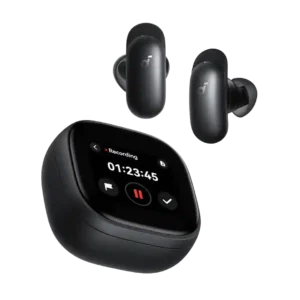
Hi-res and AI enhancement features can make compressed or lower-quality audio feel cleaner and fuller. They are useful extras, but they do not replace true lossless playback or guarantee audiophile...
Pros: Overall satisfaction, Active noise cancellation
Cons: Value for money, AI transcription and summaries
#18
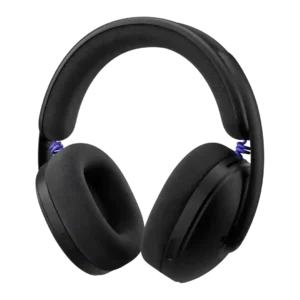
Hi-res or 24-bit support was treated as a small plus, but one reviewer questioned how much it matters in everyday listening.
Pros: Comfort during long use, Design and Aesthetics
Cons: Build quality, Microphone
#19
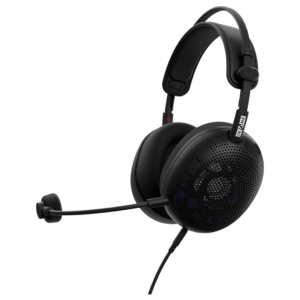
The included DAC was appreciated for avoiding extra gear, but one reviewer found the USB box brought no meaningful console improvement.
Pros: Sound quality, Microphone
Cons: Microphone noise reduction, Spatial audio
#20
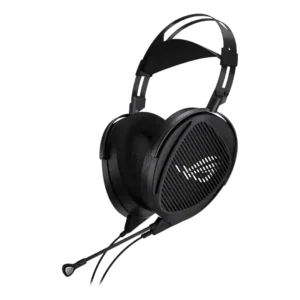
The USB-C adapter adds convenient digital connectivity, but its power and quality are inconsistent; the included DAC can feel weak and power-hungry.
Pros: Overall satisfaction, Sound quality
Cons: Microphone, Headband adjustability
#21

Hi-res and lossless playback are major limitations: there is no wired lossless path and no high-resolution Bluetooth codec support.
Pros: Overall recommendation, Replaceable pads/headband
Cons: 3.5mm analog input availability, Travel friendliness
