Best for runtime at full load
Pecron E3600
5.0 attribute score
Highest scored product for this attribute based on supporting review evidence.

Highest scored product for this attribute based on supporting review evidence.
Balances the attribute score, supporting reviews, and overall product strength.
Has the broadest review evidence for this attribute.
Strongest overall product among items with scored evidence for this attribute.
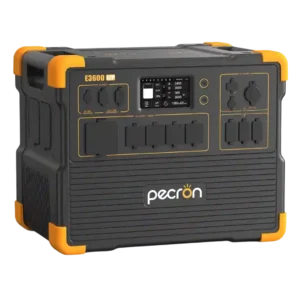
Near maximum load, the station delivered roughly 50 minutes, an efficient result for its rated capacity.
Pros: overall product satisfaction, value for money
Cons: long-term reliability, noise level
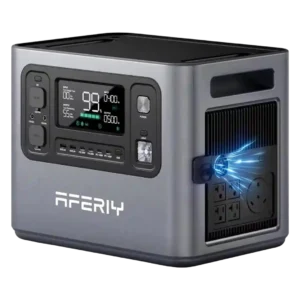
The station sustained its full 2,800W rating for a 15-minute test without shutting down.
Pros: overall product satisfaction, battery expandability
Cons: weight, built-in light
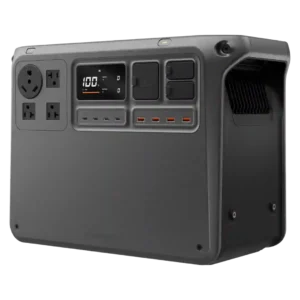
Near-maximum-load testing delivered roughly half an hour of steady operation without hiccups.
Pros: noise level, power output
Cons: weight, accessory ecosystem
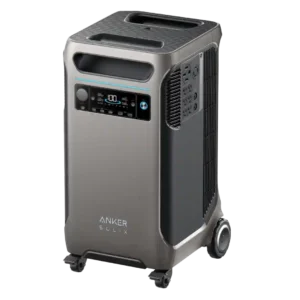
At a roughly 5.1kW draw, one test produced 37 minutes of runtime and about 84% usable efficiency.
Pros: overall product satisfaction, home backup capability
Cons: value for money, weight
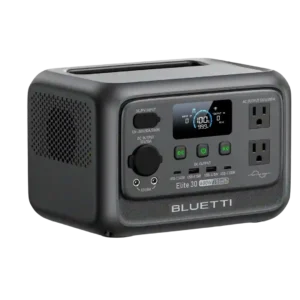
Near the inverter’s limit, runtime is necessarily short. A hair dryer ran for about 20 minutes, while cooking loads depleted the battery faster than expected.
Pros: value for money, portability
Cons: battery capacity, standby power loss
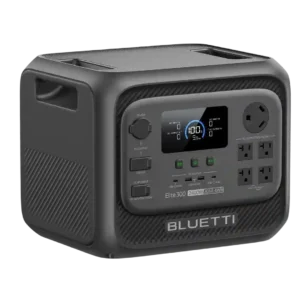
Results at the limit were mixed: some tests sustained near-rated output, while another shut down near empty and reviewers discouraged all-day maximum loading.
Pros: compactness, load handling
Cons: weight, battery expandability
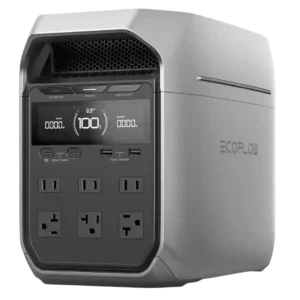
Near-rated loads generally run for about half an hour, but overheating cut one test short and raises caution for sustained maximum-output use.
Pros: overall product satisfaction, solar panel compatibility
Cons: long-term reliability, standby power loss
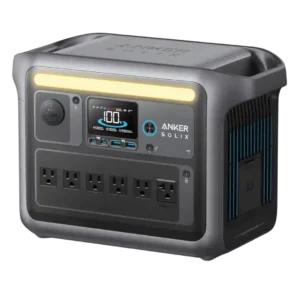
At roughly 1,500W or more, runtime can fall to around half an hour, so the station is better for intermittent high-draw use than sustained heating.
Pros: overall product satisfaction, runtime
Cons: noise level, weight
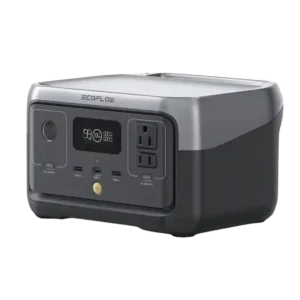
At the full 300W AC rating, the 256Wh battery lasts under an hour, making maximum output suitable only for brief tasks.
Pros: overall product satisfaction, AC charging speed
Cons: runtime, high-demand appliance support
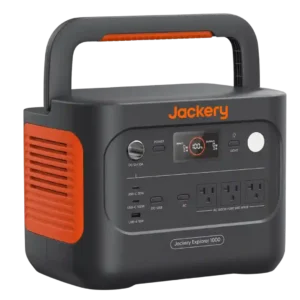
A heavy griddle test drained roughly 60% in about 35 minutes, showing how quickly continuous near-limit loads exhaust the battery.
Pros: overall product satisfaction, AC charging speed
Cons: solar panel compatibility, solar cable compatibility
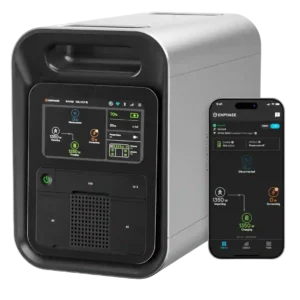
Running near 1,500 W drains the battery in under an hour, leaving little headroom for sustained heavy use.
Pros: display quality, overall product satisfaction
Cons: solar charging speed, weight