Best for eco mode
Jackery Explorer 240D
5.0 attribute score
Highest scored product for this attribute based on supporting review evidence.

Highest scored product for this attribute based on supporting review evidence.
Balances the attribute score, supporting reviews, and overall product strength.
Has the broadest review evidence for this attribute.
Strongest overall product among items with scored evidence for this attribute.
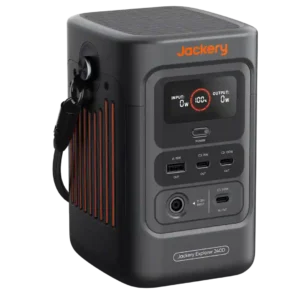
Low-load auto-shutdown and energy-saving behavior help prevent needless drain when connected devices stop drawing meaningful power.
Pros: value for money, compactness
Cons: high-demand appliance support, AC outlet count
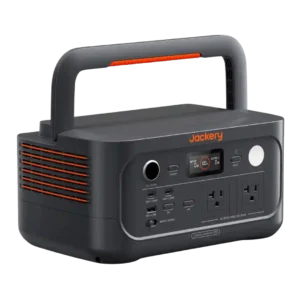
Energy-saving behavior is generally useful for reducing idle drain and extending stored power, though one reviewer worried the physical switch could be bumped accidentally.
Pros: overall product satisfaction, compactness
Cons: high-demand appliance support, app connectivity
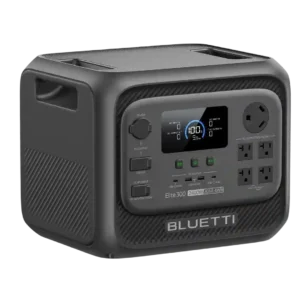
ECO mode can shut outputs down after a load finishes, reducing unnecessary drain. It should be disabled for very low-power medical devices that could be mistaken for no load.
Pros: compactness, load handling
Cons: weight, battery expandability
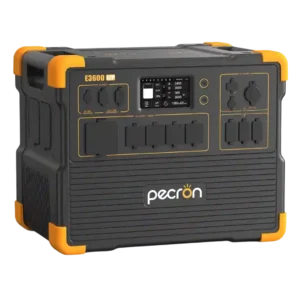
Eco mode meaningfully lowers charging demand when using the 30-amp cable, helping match generator capacity.
Pros: overall product satisfaction, value for money
Cons: long-term reliability, noise level
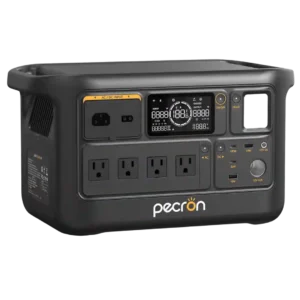
Eco mode is a useful camping feature because it can shut the station down when no load is present and avoid wasting stored energy.
Pros: overall product satisfaction, load handling
Cons: battery expandability, long-term reliability
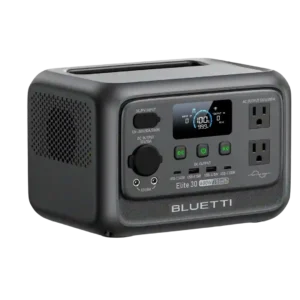
Eco mode reduces idle drain by shutting down very small or inactive loads. That can also disconnect routers or trickle-charging devices, so low-load UPS users may need to disable it.
Pros: value for money, portability
Cons: battery capacity, standby power loss
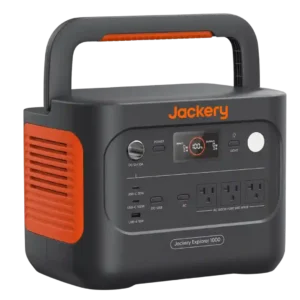
Eco behavior is useful for preventing idle drain, but low-watt devices may shut off unless the threshold or timeout is adjusted.
Pros: overall product satisfaction, AC charging speed
Cons: solar panel compatibility, solar cable compatibility
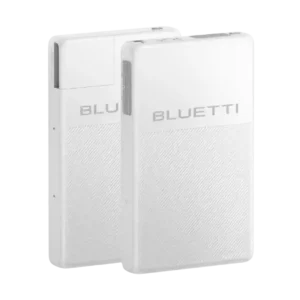
Eco mode can save power when loads are low, but it may shut off during long refrigerator compressor pauses. For critical backup, it should be configured carefully or disabled.
Pros: overall product satisfaction, runtime
Cons: weight, DC output
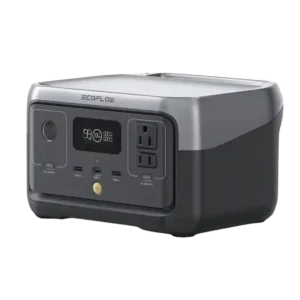
Unloaded energy-saving behavior reduces waste but creates higher USB ripple, making the implementation less polished than ideal.
Pros: overall product satisfaction, AC charging speed
Cons: runtime, high-demand appliance support