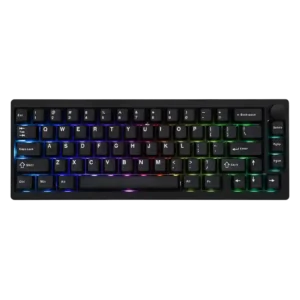
Five internal dampening layers and gasket mounting effectively suppress resonance, hollowness and metallic ping while preserving a full sound.
Pros: frame rigidity, acoustics
Cons: rapid trigger support, analog input support

Showing Electronics only. Switch back to all Gaming Keyboards anytime.
Five internal dampening layers and gasket mounting effectively suppress resonance, hollowness and metallic ping while preserving a full sound.
Pros: frame rigidity, acoustics
Cons: rapid trigger support, analog input support
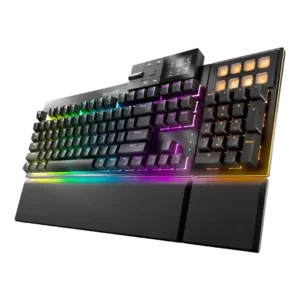
Sound dampening was one of the clearest strengths, with reviewers praising the multi-layer foam/silicone system for reducing echo, vibration, and typing noise.
Pros: key stability, per-key lighting control
Cons: analog input support, wireless performance
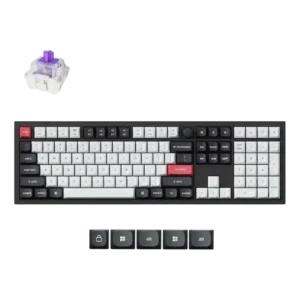
Sound dampening received strong praise for absorbing switch noise, reducing ping, and making the case sound more refined.
Pros: key stability, frame rigidity
Cons: portability, switch options
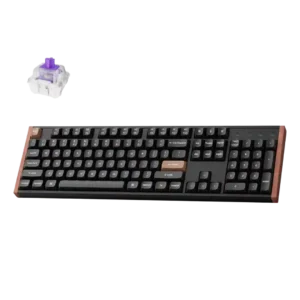
Sound dampening was praised through thocky sound and acoustic foam comments that made typing more satisfying.
Pros: wireless performance, key responsiveness
Cons: switch options, desk space efficiency
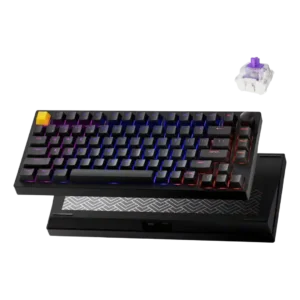
Sound dampening was praised for gasket mounting and sound-absorbing materials that made the keyboard sound softer.
Pros: frame rigidity, stabilizer quality
Cons: per-key lighting control, RGB customization
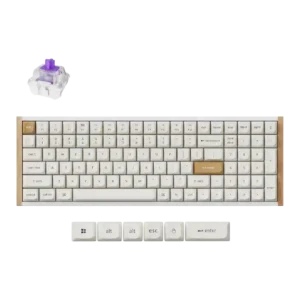
Sound dampening was praised through foam, silicone pads, and reduced hollow sound that contributed to a soft or warm sound profile.
Pros: durability, rapid trigger support
Cons: per-key lighting control, stabilizer quality
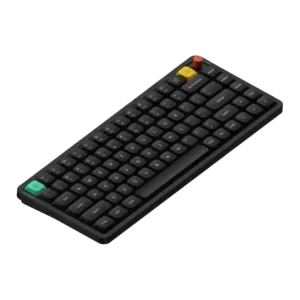
Sound dampening was a major strength, with gasket, foam, and silicone changes repeatedly credited for reducing hollowness.
Pros: key responsiveness, typing feel
Cons: per-key lighting control, legend visibility
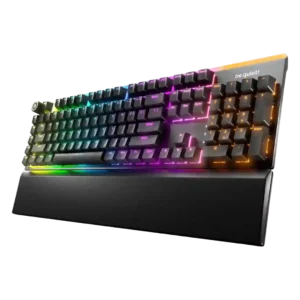
Sound dampening is strongly praised, especially the multilayer foam/silicone approach that reduces echo, reverb, and harsh keystroke noise.
Pros: ease of switch replacement, acoustics
Cons: rapid trigger support, analog input support
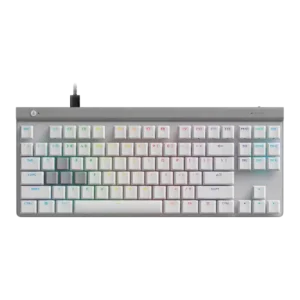
Sound dampening was praised for reducing echo and creating a quieter, more controlled acoustic profile.
Pros: key responsiveness, ergonomics
Cons: wireless performance, volume control
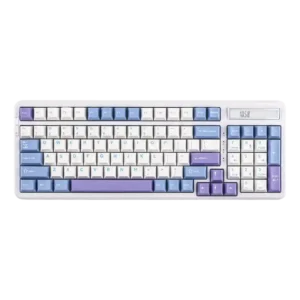
Sound dampening was a strength, with reviewers repeatedly crediting foam, dampers or gasket design for reduced noise and vibration.
Pros: ease of switch replacement, typing feel
Cons: key spacing, layout options
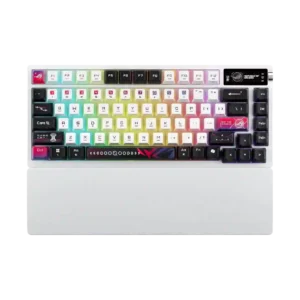
Sound dampening was a clear strength, with reviewers crediting the foam stack and damping layers for reducing ping and improving sound.
Pros: latency, wireless performance
Cons: rapid trigger support, analog input support
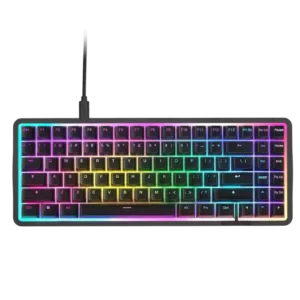
Sound dampening was usually effective, producing thocky or pleasant acoustics, though one negative review felt the gasket failed to add softness.
Pros: latency, acoustics
Cons: passthrough features, wireless performance
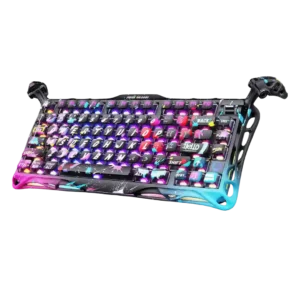
Reviewers connected the board's dampened build with a clean, clacky sound and visible effort to improve acoustics.
Pros: legend visibility, key responsiveness
Cons: connectivity, cable quality
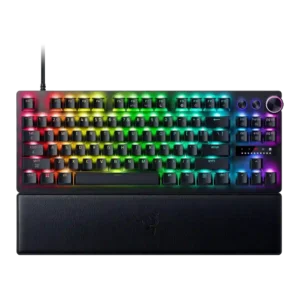
Sound dampening was mixed by model: reviewers praised added foam or reduced vibrations on some versions, while the Mini was criticized for needing more padding.
Pros: key responsiveness, actuation consistency
Cons: switch options, hot-swappable switches
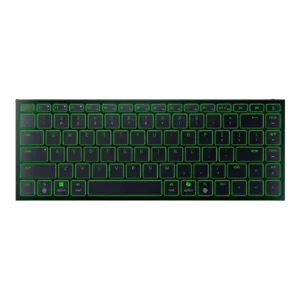
TechRadar specifically criticized the lack of dampening, saying the keys could feel harsh under heavier typing.
Pros: frame rigidity, size and form factor
Cons: sound dampening, per-key lighting control