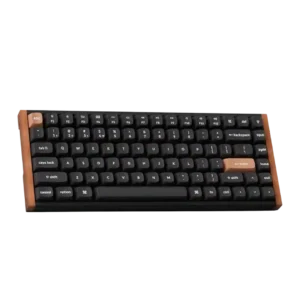
Onboard memory was praised because mappings or settings stayed on the keyboard and transferred across devices.
Pros: wrist rest quality, onboard memory
Cons: per-key lighting control, switch options

Showing Electronics only. Switch back to all Gaming Keyboards anytime.
Onboard memory was praised because mappings or settings stayed on the keyboard and transferred across devices.
Pros: wrist rest quality, onboard memory
Cons: per-key lighting control, switch options
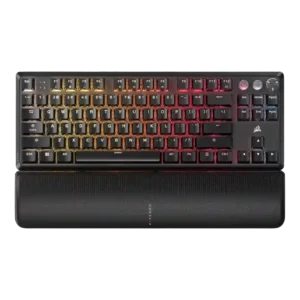
Onboard memory was repeatedly praised for storing profiles, lighting layers, macros, and settings directly on the keyboard.
Pros: per-key lighting control, key responsiveness
Cons: ease of switch replacement, battery life
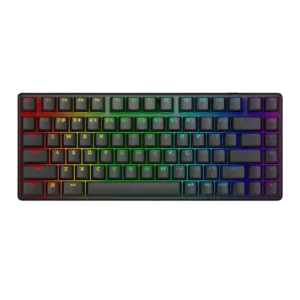
Onboard memory was useful for carrying lighting and profile settings, with reviewers valuing quick access to saved profiles.
Pros: key stability, backlight brightness
Cons: rapid trigger support, wrist rest quality
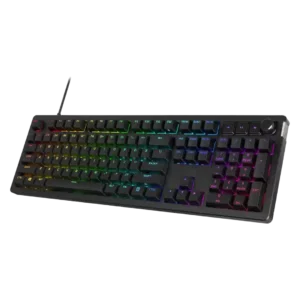
Onboard memory is praised where discussed because settings or configurations can be saved directly to the keyboard.
Pros: compatibility, legend visibility
Cons: wrist rest quality, cable quality
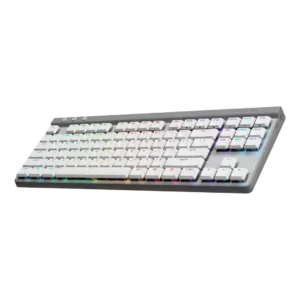
Onboard memory was positively received because it lets users carry profiles or settings without relying on G Hub on every PC.
Pros: latency, wireless performance
Cons: rapid trigger support, ease of switch replacement
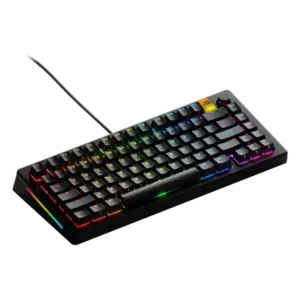
Onboard memory was positively tied to saving and switching up to three keyboard profiles from the board.
Pros: RGB lighting quality, layout options
Cons: frame rigidity, value for money
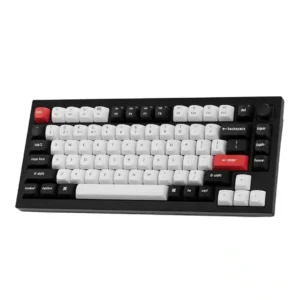
The only scored evidence is positive, with one reviewer valuing that configurations can be stored on the keyboard.
Pros: key stability, frame rigidity
Cons: profile management, reliability
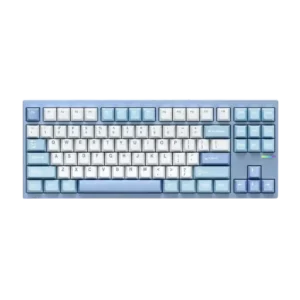
Onboard memory was positively supported by stored keyboard customizations that persist when moving between devices.
Pros: value for money, customization options
Cons: cable quality, portability
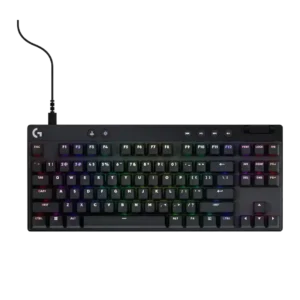
Onboard memory is useful when present, letting reviewers save settings or profiles and avoid keeping software open.
Pros: durability, per-key lighting control
Cons: noise level, sound dampening
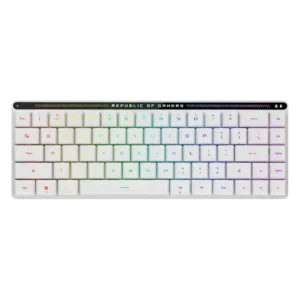
Onboard memory receives positive but limited evidence, with one review noting storage for five profiles.
Pros: reliability, typing comfort
Cons: cable quality, wrist rest quality
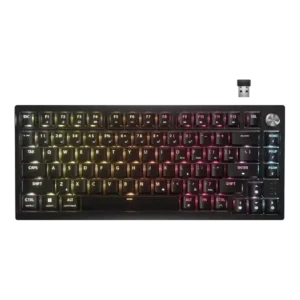
Onboard profile evidence was mixed: some reviewers liked saved profiles, while others criticized the lack of true hardware-profile behavior.
Pros: latency, durability
Cons: legend visibility, rapid trigger support
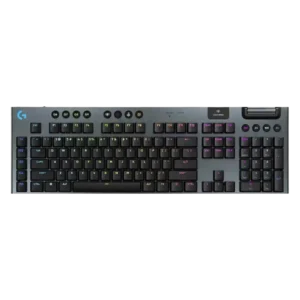
Onboard memory was mixed: one reviewer valued portable saved profiles, while another found onboard support too limited for complex macros.
Pros: stabilizer quality, latency
Cons: ease of switch replacement, hot-swappable switches
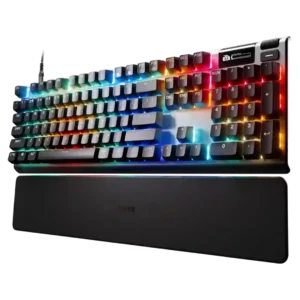
Onboard memory was useful for profiles and cross-PC settings, but lighting behavior and profile requirements limited the experience.
Pros: key responsiveness, durability
Cons: passthrough features, analog input support