Best for writing quality
Slow Horses, Season 6
5.0 feature score
Highest scored product for this feature based on supporting review evidence.

Highest scored product for this feature based on supporting review evidence.
Balances feature score, supporting reviews, and overall product strength.
Has the broadest review evidence for this feature.
Strongest overall product among items with scored evidence for this feature.

Despite the showrunner transition, the writing was broadly praised as sharp, polished, witty, and structurally confident. The strongest reviews felt the two-book adaptation was seamless, while a few critics missed...
Pros: season finale quality, character development
Cons: accent authenticity, product placement

The writing is repeatedly described as witty, heartfelt, sincere, natural, and emotionally nuanced, especially in its handling of young people and family relationships.
Pros: episode structure, season finale quality
Cons: family friendliness, age appropriateness
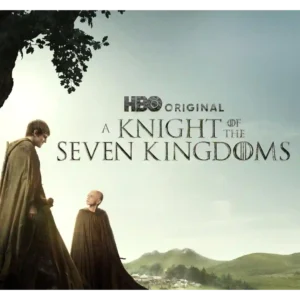
The writing is praised for sharp characterization, rich small moments, and trust in simple dramatic construction. It often succeeds precisely because it does not overload the season with subplots.
Pros: plot originality, episode structure
Cons: character development, family friendliness

The writing is usually praised for nuance, wit, and a balance of humor and heart. Critics who dissent point to inconsistent tone, sanitized sex-work detail, and late-season melodrama.
Pros: episode structure, dialogue quality
Cons: plot twists, season finale quality

One strongly positive review praises the season's storytelling as outstanding, supporting the show's scripted and narrative construction.
Pros: story quality, episode structure
Cons: suspense, modern political framing

Writing receives broad praise for sharp jokes, meaningful callbacks and long-term character payoffs. Reservations focus more on softened conflict and late plot choices than on the line-by-line craft.
Pros: plot originality, episode structure
Cons: season length, realism
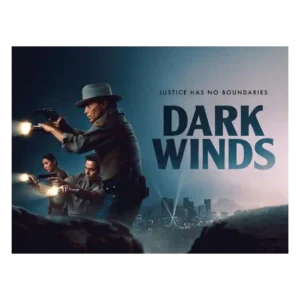
The writing is generally praised as smart, sharp, and emotionally grounded. Positive reviews credit the scripts with keeping the noir mystery human even as the season expands in scope.
Pros: costume design, directing quality
Cons: family friendliness, age appropriateness

Lisa McGee's writing is praised across the set for wit, specificity, fast dialogue, character insight, and the ability to find humor in darkness. The main knock is overreach: the plot...
Pros: character consistency, cast chemistry
Cons: cliffhanger effectiveness, season length

Most assessments praise the writing as sharp, exacting, original, and emotionally observant, though the strongest negative review rejects the dialogue and narrative construction.
Pros: episode structure, season finale quality
Cons: character consistency, episode length

The writing is praised for warmth, empathy, humor, and thematic reach. It balances class, sex work, trauma, and trans identity without sanding off the characters’ rough edges.
Pros: genre satisfaction, main cast performance
Cons: family friendliness, violence level
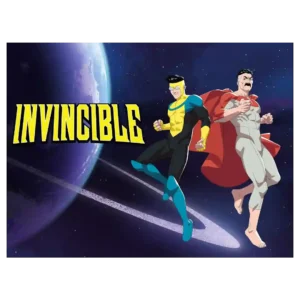
Writing is one of the strongest consensus positives, particularly in character arcs, moral dilemmas, and adaptations of long-running comic material. Even critics of the animation often say the script and...
Pros: finale satisfaction, continuity
Cons: plot clarity, screenplay quality
The writing is praised for sharpness and for holding together scares, jokes, mystery, and character work.
Pros: episode structure, main cast performance
Cons: family friendliness, language level
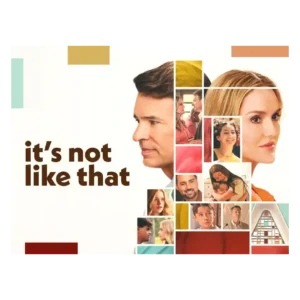
Writing is repeatedly praised as beautiful, humane, and emotionally layered, with faith and family issues woven together naturally. A few critics call it sappy, shallow, or clichéd.
Pros: season finale quality, screenplay quality
Cons: character consistency, continuity

Most reviewers praise the writing as layered, confident, incisive, and increasingly complex, especially in its character work. Dissent centers on forced jokes, occasional melodrama, and a few contrived plot turns.
Pros: episode structure, supporting cast performance
Cons: cinematography, sexual content level

The writing successfully juggles comedy, melodrama, romance, satire, and character depth. Occasional overcrowding and rushed subplots are the main weaknesses.
Pros: score quality, critic appeal
Cons: character consistency, plot clarity

The writing is praised most when it avoids sensationalism and lets Alex’s childlike reactions stay ordinary and believable. Its restraint helps the drama feel more respectful than manipulative.
Pros: screenplay quality, critic appeal
Cons: plot twists, season pacing

The writing is praised for layering compromise, fear, stress, and small mistakes into larger crises. It gives the oppressive setting texture rather than relying only on big plot turns.
Pros: cliffhanger effectiveness, main cast performance
Cons: humor, family friendliness
The writing is often praised as sharp, witty, polished, and thematically smart, though occasional exposition and reduced subtlety draw criticism.
Pros: pilot episode quality, main cast performance
Cons: family friendliness, continuity

The writing gets strong marks for sensitivity, character depth, and moral ambiguity, but one major dissenting review calls parts of the storytelling clunky and narratively sloppy.
Pros: screenplay quality, cinematography
Cons: accountability handling, character consistency

Writing is admired for its structure, empathy, and smart second-season choices, but not without caveats. Several reviewers mention occasional didacticism, heavy-handedness, or melodramatic lines.
Pros: episode structure, main cast performance
Cons: age appropriateness, plot clarity

The writing excels most in emotional character scenes, backstory connections, and carefully planted payoffs. Its weaker side is structural: too many threads, explanations, and setup for the next season can...
Pros: directing quality, production design
Cons: character consistency, continuity

Most positive critics praise the writing as dynamic, tightly constructed, or even better than the original in places. The major dissent is a long-form full-season review that finds consistency deteriorates...
Pros: episode structure, finale satisfaction
Cons: makeup quality, family friendliness
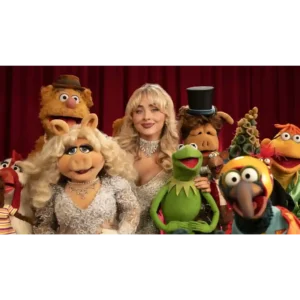
The overall writing understands Muppet rhythms and delivers many strong jokes, but repeated criticism of flat sketches and first-draft punchlines keeps it from being uniformly sharp.
Pros: violence level, world-building
Cons: editing quality, language level

Writing is widely praised for trusting the audience, subverting familiar science-fiction tropes, and building character and ideas patiently, even when the pacing becomes divisive.
Pros: dialogue quality, franchise connection
Cons: season finale quality, finale satisfaction
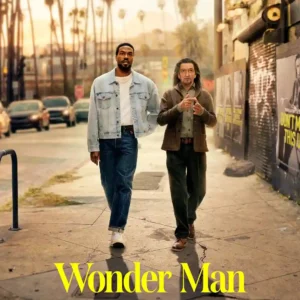
Writing is praised for character intimacy, thematic layering, and industry detail, though repetition and truth-withholding divide critics.
Pros: soundtrack quality, pilot episode quality
Cons: accountability handling, plot clarity
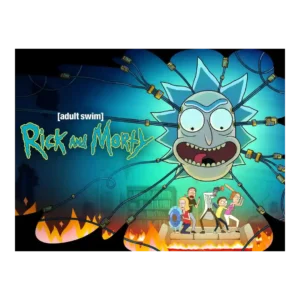
Writing quality trends positive, with praise for less pretentious plotting, brilliant execution, and smart serialized development. The scripts are strongest when balancing character work with inventive sci-fi chaos.
Pros: critic appeal, genre satisfaction
Cons: family friendliness, age appropriateness

Writing reactions range from positive course correction to complaints about past excess. Reviewers who liked Season 5 praise its stripped-down focus, while others still notice overly self-conscious storytelling.
Pros: directing quality, cinematography
Cons: dialogue quality, plot originality
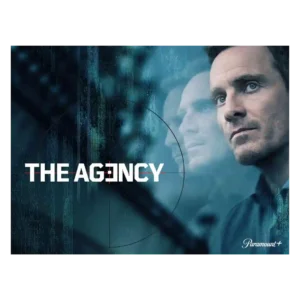
The writing is praised for consistency, intelligence, and bringing multiple spy threads together without losing the show’s adult tone. A few reviewers point to exposition, predictable villains, or overextended subplots...
Pros: directing quality, bingeability
Cons: none

The best scripts feature crackling dialogue, clear character voices, and confident comic escalation. Critics of the season point to formulaic resolutions, stale topical jokes, and subplots that disappear too quickly.
Pros: media scrutiny portrayal, season finale quality
Cons: cancellation satisfaction, product placement

Steven Knight’s writing is often praised for deeper character work and a more confident second-season structure, though one sharply negative review finds the script too shallow and simple.
Pros: season finale quality, main cast performance
Cons: episode structure, pilot episode quality
The writing is praised for balancing simple adventures with danger and jokes, but not every critic found the new comic rhythm fully compatible with Adventure Time. The result is strong...
Pros: production design, animation quality
Cons: pilot episode quality, score quality

Writing reactions are polarized: some praise the expanded saga and realistic emotional scenes, while others criticize redundancy, structural confusion, and exposition.
Pros: plot originality, main cast performance
Cons: release schedule, dialogue quality
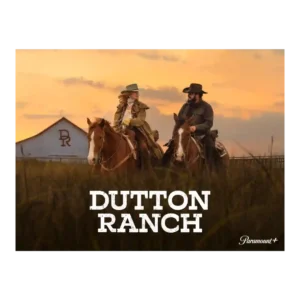
Writing quality is viewed as sturdy but familiar. Positive reviews like the more grounded drama and character focus, while negative ones see a greatest-hits version of Yellowstone in a new...
Pros: cast chemistry, acting quality
Cons: continuity, cultural representation
Some reviewers praise rich storytelling and the way songs are woven into the drama without taking over. A harsher critic argues that the writing never fully finds the fascinating story...
Pros: character consistency, screenplay quality
Cons: dialogue quality, directing quality
Writing reactions swing from admiration to frustration. The season’s best moments are called clever and even diabolical, but slow setup and repeated stalling make other viewers impatient.
Pros: directing quality, rewatch value
Cons: value for money, makeup quality
Writing is improved and sometimes excellent, especially in character and moral material, but it remains uneven. Critics repeatedly flag dull or restrictive subplots, awkward lines, and occasional weak execution.
Pros: costume design, score quality
Cons: realism, plot clarity

Writing reactions are mostly strong, especially around audience trust, sharper themes, and carefully planted answers. The main criticisms involve contrivances, urgency dips, and occasional table-setting.
Pros: drama quality, finale satisfaction
Cons: character development, season pacing
Writing quality is hotly debated. Positive reviews praise a tight, refreshing, genre-aware script, while negative reviews fault clunky conventions, unclear purpose, and arcs that needed stronger support.
Pros: acting quality, main cast performance
Cons: family friendliness, age appropriateness

The writing earns credit for sharp thematic ideas, character reversals, and genre play, but exposition, plot holes, and inconsistent choices keep the response divided.
Pros: special effects quality, soundtrack quality
Cons: screenplay quality, series finale quality
The writing can be sharp, funny and emotionally deft, especially in character scenes, but its political satire and structural focus draw repeated criticism. The result is talented but noticeably uneven.
Pros: screenplay quality, genre satisfaction
Cons: continuity, family friendliness

Writing reactions are mixed. Some praise sharp dialogue and forward motion, while the harshest critique blames weak writing and stretched plotting for the season’s boredom.
Pros: episode structure, cast chemistry
Cons: character consistency, editing quality
Writing is highly divisive. Supporters praise smart plotting, sharp intrigue and le Carré-like moral tension; detractors call it messy, repetitive, contrived or much weaker than Season 1.
Pros: episode structure, pilot episode quality
Cons: accountability handling, finale satisfaction
The writing is deeply split: admirers call it funny, emotionally alert, and bold, while detractors find it lax, overstuffed, or unwilling to fully interrogate the premise. Its best moments come...
Pros: directing quality, cast chemistry
Cons: family friendliness, language level
Writing is strongly polarized: supporters call it clever, sharp, and smart, while critics describe it as unfocused, overly safe, or lacking a clear thesis.
Pros: season finale quality, main cast performance
Cons: plot clarity, character consistency

Writing is highly divisive: some praise sharp character work and immersive structure, while the harshest review calls both dialogue and plotting atrocious.
Pros: finale satisfaction, character consistency
Cons: screenplay quality, release schedule

Writing is a major point of disagreement: one review praises a weighty narrative that unlocks Sten’s best work, while another says the scripts overexplain and underserve the cast.
Pros: plot clarity, pilot episode quality
Cons: product placement, character consistency
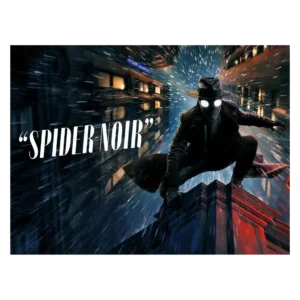
Writing quality is mixed-positive overall. Admirers like the sharp banter, humor, and genre control; harsher critics hear cliché, thinness, and imitation where the show wants hard-boiled snap.
Pros: plot twists, cliffhanger effectiveness
Cons: family friendliness, age appropriateness

Writing and storytelling are split between praise for clarity and criticism of messiness. Some found the material well unpacked; others felt it skipped past the hardest explanatory questions.
Pros: bingeability, critic appeal
Cons: editing quality, accountability handling

Gadd’s writing inspires both raves and harsh criticism. Its best scenes are layered, lyrical, and psychologically exact; its weakest are called transparent, clunky, repetitive, and overexplanatory.
Pros: season finale quality, screenplay quality
Cons: realism, rewatch value

The writing is the main battleground. At its best it feels nuanced and carefully ambiguous; at its weakest it becomes mechanical, pretentious, didactic, or too vague.
Pros: main cast performance, critic appeal
Cons: character consistency, finale satisfaction