Best for world-building
A Knight of the Seven Kingdoms, Season 1
5.0 feature score
Highest scored product for this feature based on supporting review evidence.

Highest scored product for this feature based on supporting review evidence.
Balances feature score, supporting reviews, and overall product strength.
Has the broadest review evidence for this feature.
Strongest overall product among items with scored evidence for this feature.
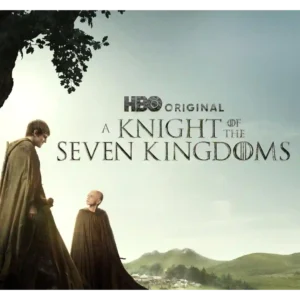
By focusing on hedge knights, commoners, tourney workers, food, money, and local politics, the show makes Westeros feel newly lived-in. Its smaller lens expands the world instead of shrinking it.
Pros: plot originality, episode structure
Cons: character development, family friendliness

Sterling Point itself is a major attraction, with reviewers responding to the no-signal island bubble, local routines, cottage culture, and lived-in sense of place.
Pros: episode structure, season finale quality
Cons: family friendliness, age appropriateness

Oxford, the Holmes family estate, Paris, Constantinople, and the wider Victorian setting create a rich, expansive adventure world that reviewers find immersive.
Pros: pilot episode quality, emotional impact
Cons: continuity, modern political framing

The Victorian East End feels increasingly lived-in, with rivalries, streets, institutions, and social pressures forming a convincing world around the characters.
Pros: season finale quality, main cast performance
Cons: episode structure, pilot episode quality

Distinct homes, landscapes, class spaces, and color palettes give the series a vivid sense of place, especially across Possum Gully, Caddagat, and Five Bob Downs.
Pros: pilot episode quality, main cast performance
Cons: family friendliness, continuity

Moving deeper into Roman politics while rebuilding Capua’s social and gladiatorial ecosystem is praised for expanding the franchise without abandoning its familiar foundations.
Pros: episode structure, finale satisfaction
Cons: makeup quality, family friendliness
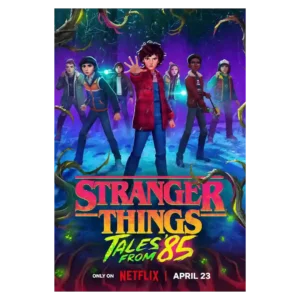
Animated Hawkins is richly realized, preserving familiar locations while adding snowy streets, vivid interiors, and a slightly heightened storybook quality.
Pros: world-building, production design
Cons: plot clarity, realism

New characters and a broader newsroom ecosystem help the season feel like its own populated comedy world rather than a thin extension of Dunder Mifflin.
Pros: season finale quality, main cast performance
Cons: plot clarity, character consistency

The peculiar dialogue, brand-heavy suburbia, specific habits, and recurring visual details create a world that feels intentionally strange despite its mundane setting.
Pros: episode structure, season finale quality
Cons: character consistency, episode length

The show’s accumulated world is strong enough that critics describe fans as having fallen in love with it, making the farewell-tour callbacks and returns feel meaningful.
Pros: plot originality, episode structure
Cons: season length, realism

A favorable review credits the visual details, military locations, offices, and interrogation rooms with transporting viewers into Nixon’s investigative world.
Pros: world-building, production design
Cons: finale satisfaction, season finale quality

The detailed spycraft, institutional hierarchy, and international stakes create an immersive intelligence world. When the exposition lands, the specificity makes the operations feel layered rather than simplified.
Pros: character consistency, humor
Cons: media scrutiny portrayal, sexual content level

Small adaptation changes and the layered family, wrestling, church, college, and creator communities expand the story beyond its central premise.
Pros: episode structure, dialogue quality
Cons: plot twists, season finale quality

The underground reptile market is explored with unusual depth, giving viewers a detailed sense of its dealers, transport methods, law-enforcement response, and hidden international network.
Pros: pilot episode quality, world-building
Cons: season pacing, writing quality

The mystery world feels unusually expansive, with one review praising its lore as dense enough to rival much larger fictional universes. That richness also contributes to the show’s complexity.
Pros: episode structure, supporting cast performance
Cons: character consistency, soundtrack quality

The season continues to expand the grimy MI5 ecosystem while keeping its institutional rules, rivalries, and history central to the plot. One review specifically praised the sharp world-building behind the...
Pros: season finale quality, character development
Cons: accent authenticity, product placement

Faithful environments, dorms, and game spaces make the reality competition feel unusually immersive for a game-show format.
Pros: world-building, visual style
Cons: pilot episode quality, directing quality

The supporting performances and lived-in interiors help Oyster Bay and the Jarvis orbit feel dirty, textured, and authentic rather than like a generic prestige-thriller backdrop.
Pros: plot clarity, series finale quality
Cons: family friendliness, age appropriateness

The show’s world is praised for feeling elegant yet suffocating, a strong tonal fit for a story built around control, status, and seduction.
Pros: episode structure, cast chemistry
Cons: character consistency, editing quality

The interconnected households, church, school, and neighborhood feel fully formed quickly, making it easy to settle into the characters' shared lives.
Pros: season finale quality, screenplay quality
Cons: character consistency, continuity

The remote woods, local legends, sinister businesses, and mansion rituals create a strange, specific pocket of reality that feels richer than a generic cabin setting.
Pros: special effects quality, soundtrack quality
Cons: screenplay quality, series finale quality

The series’ streets, neighborhoods, music spaces, gang tensions, and industry setting are repeatedly praised for feeling vivid and alive.
Pros: character consistency, screenplay quality
Cons: dialogue quality, directing quality

The fixed Chicago setting and recurring team are praised for giving the spinoff a world that can deepen over multiple seasons rather than reset each year.
Pros: plot clarity, pilot episode quality
Cons: product placement, character consistency

The hospital world feels immersive enough that viewers talk about being stuck inside the shift with the characters. Later episodes also suggest fresh night-shift angles that could expand the show’s...
Pros: episode structure, main cast performance
Cons: age appropriateness, plot clarity

Hong Kong is the show’s richest asset. Reviews praise the way the series uses elite yachts, restaurants, markets, apartments, and city vistas to make the setting feel specific and immersive.
Pros: world-building, cinematography
Cons: finale satisfaction, season finale quality

Virgin River’s biggest enduring asset is the town itself: close-knit friendships, communal support and scenic locations make it feel warm and inviting even when the stories become implausible.
Pros: supporting cast performance, acting quality
Cons: character consistency, screenplay quality
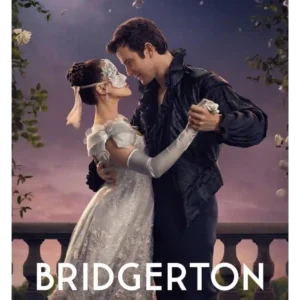
Moving downstairs into servants’ spaces meaningfully broadens the Bridgerton world and makes class differences more tangible than in previous seasons.
Pros: rewatch value, supporting cast performance
Cons: CGI quality, continuity

Rutshire feels expansive and lived-in, with interlocking homes, companies, political circles, and social hierarchies that support the sprawling ensemble.
Pros: score quality, critic appeal
Cons: character consistency, plot clarity

Busy backstage scenes, obscure returning characters and a mixed human-Muppet audience make the theater feel populated and alive beyond the central cast.
Pros: violence level, world-building
Cons: editing quality, language level

Ludlow works best as a populated hangout space, with students, faculty and recurring oddballs making the campus feel connected and lived-in.
Pros: screenplay quality, genre satisfaction
Cons: continuity, family friendliness

World-building is praised through the island’s folklore, history, and curse mythology, which make Widow’s Bay feel lived-in and strange.
Pros: episode structure, main cast performance
Cons: family friendliness, language level

World-building works best as a stylized alternate 1930s New York populated by familiar Spider-Man figures in new pulp forms. Some critics want deeper social texture, but many enjoy the lived-in...
Pros: plot twists, cliffhanger effectiveness
Cons: family friendliness, age appropriateness

Hell’s Kitchen and Fisk’s New York feel more socially and politically alive, with media, street-level fear, and institutional power making the city part of the drama.
Pros: costume design, score quality
Cons: realism, plot clarity

Barry’s Bay grows beyond a backdrop for some viewers. Reviews that praise the world-building point to the lake, Tavern, and future Charlie setup as reasons the setting can support more...
Pros: directing quality, cinematography
Cons: character consistency, writing quality
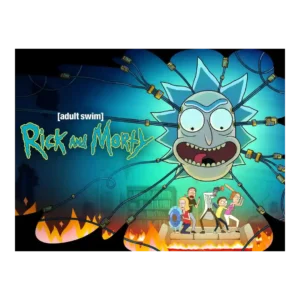
World-building is praised for its multiverse threats, science concepts, and wild ecosystems. The season still feels able to stretch the show’s universe without losing internal logic.
Pros: critic appeal, genre satisfaction
Cons: family friendliness, age appropriateness

Ooo still feels open-ended and imaginative, with reviewers seeing room for countless smaller adventures. The season’s world-building is more about playful possibility than dense new mythology.
Pros: production design, animation quality
Cons: pilot episode quality, score quality

The show’s layered DC lore, character backstories, and middle-America mystery combine into a world that feels richer than a standard superhero setup.
Pros: rewatch value, renewal interest
Cons: power scaling, modern political framing

The premiere is praised for gradually building Port McKenna and its ensemble alongside the mystery rather than dumping background information all at once.
Pros: screenplay quality, cinematography
Cons: accountability handling, character consistency

The women’s-team pivot expands Richmond beyond the men’s club by bringing funding, facilities, media attention, and off-pitch opportunities into the story.
Pros: cast chemistry, supporting cast performance
Cons: episode structure, realism
World-building is strongest when the retirement community feels like a complete, eerie little society. Reviewers liked the time spent building the town, while later lore questions suggest the larger mythology...
Pros: main cast performance, acting quality
Cons: cancellation satisfaction, plot clarity
The move deeper into Viltrumite history, cosmic conflict, and supernatural corners makes the universe feel broader and more ambitious. Some reviewers still want a clearer sense of the full scale...
Pros: finale satisfaction, continuity
Cons: plot clarity, screenplay quality

Reviewers generally like the season’s expanded multiverse rules and low-tech world details, although some wish the alternate worlds were stranger and more visually distinct.
Pros: plot originality, main cast performance
Cons: release schedule, dialogue quality

World-building is one of the strongest areas of agreement. Critics praise the expanded scope beyond Silo 18, the origin material, and the way the show makes its underground world feel...
Pros: drama quality, finale satisfaction
Cons: character development, season pacing
The spy world feels broad and interconnected, stretching across London, Iran, Sudan, Ukraine, Africa, and rival agencies. Critics like the global scope most when it feeds character pressure instead of...
Pros: directing quality, bingeability
Cons: none

The compact Glasgow world has a strong sense of place, and its small social orbit can effectively mirror how trapped the protagonists remain in their formative damage.
Pros: season finale quality, screenplay quality
Cons: realism, rewatch value

The world expands through police, media, yakuza, streamers, and corrupt institutions without losing the central investigation. Positive reviews say those factions make the mystery feel bigger rather than distracting.
Pros: plot originality, emotional impact
Cons: humor, writing quality

The hive-mind premise is developed through rules, social consequences, and lived details rather than dense exposition. Reviewers generally find the resulting world unusually rich and thought-provoking.
Pros: dialogue quality, franchise connection
Cons: season finale quality, finale satisfaction

The story expands across Italy, politics and new criminal factions with mixed results. Many find the growth organic and exciting, while others think the international scale spreads the show too...
Pros: finale satisfaction, character consistency
Cons: screenplay quality, release schedule

World-building is strongest when the show expands from Paula’s apartment into a wider web of scams, coworkers, police, and conspirators. Some reviewers admire that expansion; others think parts feel like...
Pros: acting quality, main cast performance
Cons: family friendliness, age appropriateness
World-building continues to deepen through cycles, rituals, systems, and town mythology. Fans of the mystery-box side find plenty to chew on, even when the rules remain incomplete.
Pros: directing quality, rewatch value
Cons: value for money, makeup quality