Best for solar panel bundle value
Jackery Explorer 500 v2
5.0 feature score
Highest scored product for this feature based on supporting review evidence.

Highest scored product for this feature based on supporting review evidence.
Balances feature score, supporting reviews, and overall product strength.
Has the broadest review evidence for this feature.
Strongest overall product among items with scored evidence for this feature.
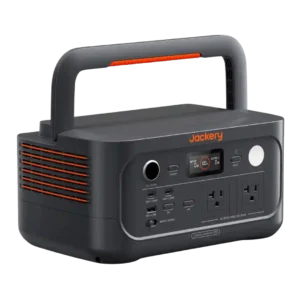
The solar-panel bundles are viewed favorably, especially when they include the panel and extension cable needed for a practical off-grid setup.
Pros: output stability, pure sine wave output
Cons: remaining runtime estimate, Bluetooth connectivity
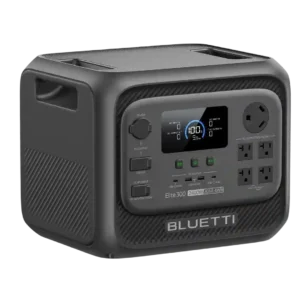
A promotion bundling a 200W panel at no extra cost was viewed as a strong deal.
Pros: surge capacity, voltage regulation
Cons: water resistance, ventilation requirements
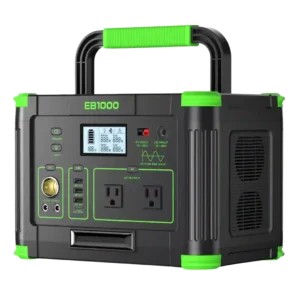
The 200W solar panel can be the most economical companion when handling its larger size is not a problem.
Pros: rated output, output stability
Cons: battery expandability, startup reliability
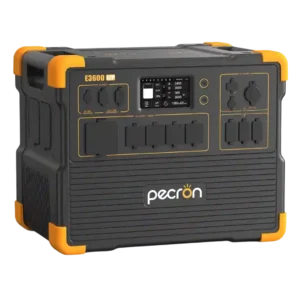
The matching solar-panel option was considered a strong fit for the station’s capacity and charging system.
Pros: power output, rated output
Cons: output stability, voltage regulation
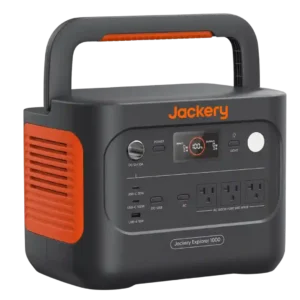
Jackery’s newer panels are efficient, rugged, and easy to deploy, but their premium price affects the appeal of a complete bundle.
Pros: rated output, peak output
Cons: standby power loss, specification accuracy
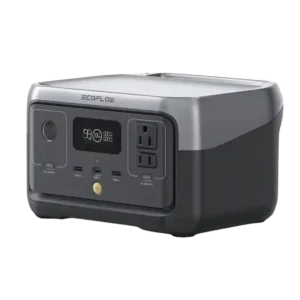
EcoFlow's folding panel and carry case feel premium and work well, but the carabiner-based stand can be fiddly and the bundle raises total cost.
Pros: surge capacity, output stability
Cons: dual-input charging, whole-home integration
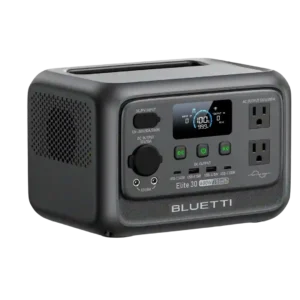
The higher-wattage panel bundle is a sensible choice for users who want the fastest practical off-grid recharge.
Pros: rated output, output stability
Cons: over-voltage protection, cold-weather performance
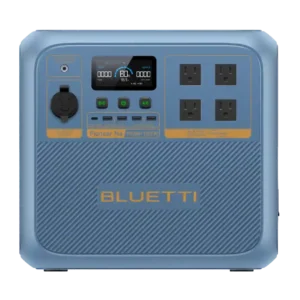
Among the discussed kits, the 200W panel option is called the best value-per-watt choice for multi-day camping without grid access.
Pros: pure sine wave output, startup performance
Cons: MPPT controller performance, battery expandability
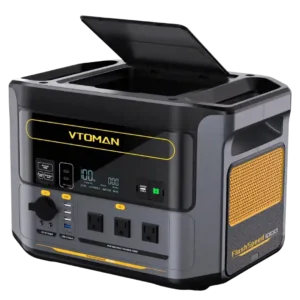
At discounted pricing, the station-and-panel package is considered a compelling portable solar setup.
Pros: inverter quality, power quality
Cons: Wi-Fi connectivity, weather resistance
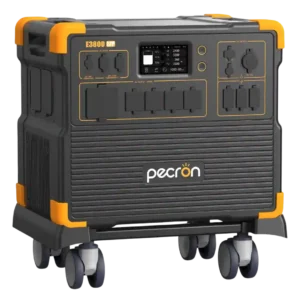
The portable panels are easy to fold, carry, clean, and deploy, though their output is more modest than larger fixed arrays.
Pros: surge capacity, output stability
Cons: app connectivity, idle noise
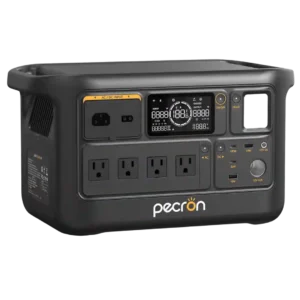
A bundle including the 300W ZOUPW panels is viewed as potentially good value, particularly because the panels include multiple connector options.
Pros: rated output, peak output
Cons: startup reliability, whole-home integration
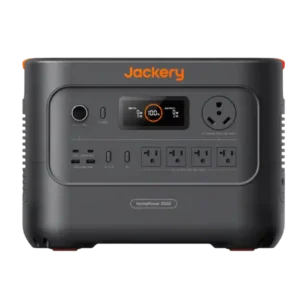
Jackery's SolarSaga panels are easy to deploy and well designed, but their high price weakens bundle value.
Pros: power output, rated output
Cons: battery expandability, car charging speed
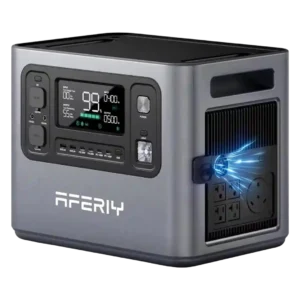
The bundled 200W panel is portable and useful for topping up, but it is far too small to exploit the station’s 1,200W solar capability.
Pros: rated output, peak output
Cons: app connectivity, voltage regulation
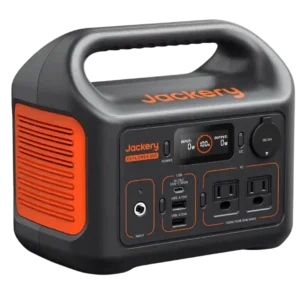
The solar bundle is useful but divisive on price; the panel can substantially raise total cost and is not always discounted with the battery.
Pros: output stability, voltage regulation
Cons: battery expandability, water resistance
The common solar bundle is underpowered relative to the battery, making it a useful starter setup rather than an ideal primary recovery system.
Pros: output stability, voltage regulation
Cons: DC output, 12-volt outlet
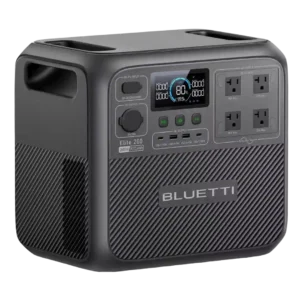
Bluetti's branded panel bundles are viewed as expensive, with third-party panels often delivering better value.
Pros: output stability, pure sine wave output
Cons: specification accuracy, startup reliability

The optional monitoring and solar add-ons can become expensive, and at least one reviewer found the display price difficult to justify when the app provides the same information.
Pros: power output, rated output
Cons: USB-A ports, 12-volt outlet
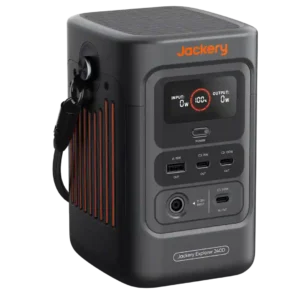
Solar greatly expands usefulness, but buying panels separately can add a substantial unexpected cost. Bundle pricing deserves close comparison before purchase.
Pros: power output, rated output
Cons: AC outlet count, repairability
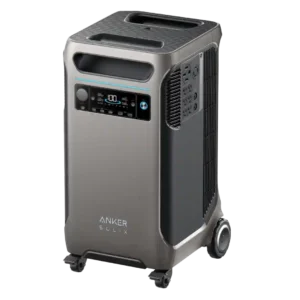
Anker’s portable panels are widely viewed as expensive, heavy, and underpowered for fully exploiting the F3800’s solar capability.
Pros: rated output, output stability
Cons: car charging speed, USB-A ports
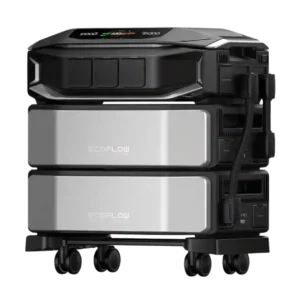
Reviewers who discuss panel pricing advise shopping beyond EcoFlow's branded panels, arguing that third-party arrays can deliver the required wattage for much less money.
Pros: output stability, voltage regulation
Cons: solar cable compatibility, UPS functionality
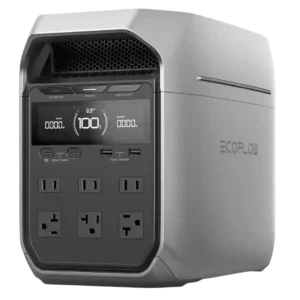
EcoFlow-branded solar panels are repeatedly criticized as far more expensive than compatible third-party alternatives.
Pros: rated output, peak output
Cons: 30-amp output, parallel operation support