Best for operating temperature range
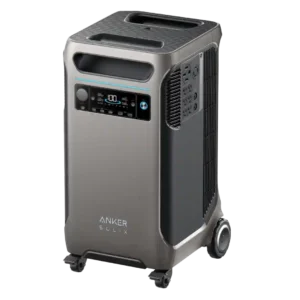
Anker Solix C1000
5.0 feature score
Highest scored product for this feature based on supporting review evidence.

Highest scored product for this feature based on supporting review evidence.
Balances feature score, supporting reviews, and overall product strength.
Has the broadest review evidence for this feature.
Strongest overall product among items with scored evidence for this feature.
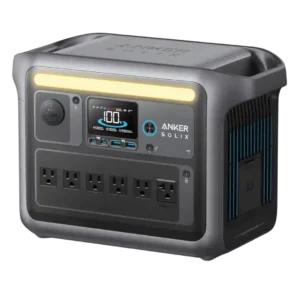
Reviewers generally like the C1000’s operating temperature range, describing it as effective and useful in real-world operation.
Pros: power output, rated output
Cons: dual-input charging, cable storage
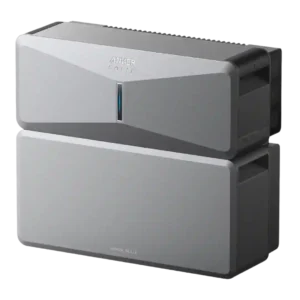
The broad rated temperature range impressed off-grid users who need the system to operate through both winter cold and summer heat.
Pros: rated output, surge capacity
Cons: outlet selection, AC outlet count
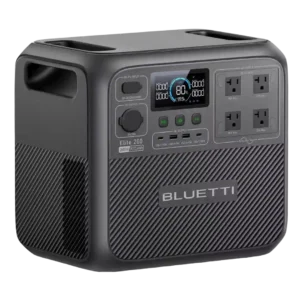
The broad stated temperature range and successful cold-weather use suit varied climates better than many portable batteries.
Pros: output stability, pure sine wave output
Cons: specification accuracy, startup reliability
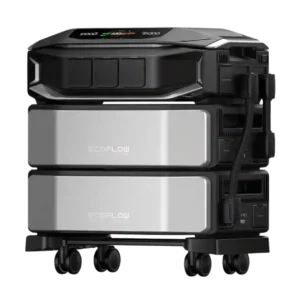
Cold-weather heating and high-temperature charging protection give the system a broad home-backup operating envelope, with one reviewer specifically praising its extreme-weather readiness.
Pros: output stability, voltage regulation
Cons: solar cable compatibility, UPS functionality
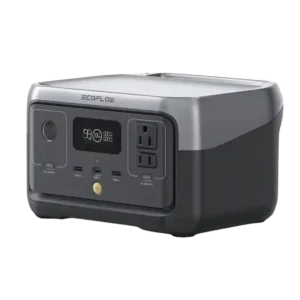
Technical testing found full input and output performance in simulated hot and cold conditions, though one customer reported poor cold runtime.
Pros: surge capacity, output stability
Cons: dual-input charging, whole-home integration
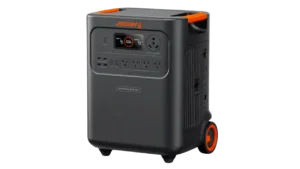
The tested operating range inspired confidence, including successful winter operation around 5°F without performance problems.
Pros: output stability, voltage regulation
Cons: DC output, 12-volt outlet
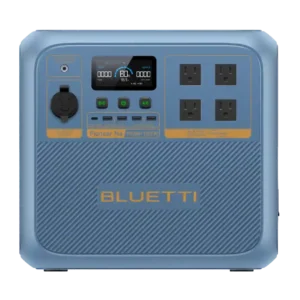
The broad cold operating window is a defining advantage and makes the station unusually practical for unheated garages, vehicles, cabins, and winter work.
Pros: pure sine wave output, startup performance
Cons: MPPT controller performance, battery expandability
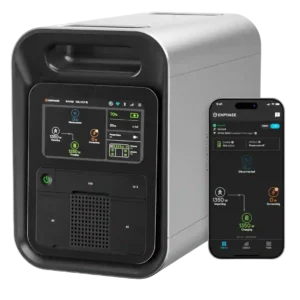
The broad certified range from roughly -4°F to 122°F supports use across many climates.
Pros: rated output, output stability
Cons: runtime at full load, RV outlet
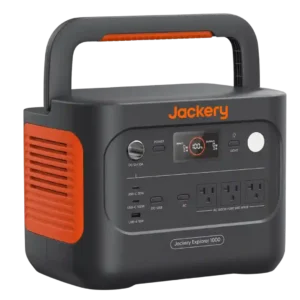
The broad stated temperature range supports use from cold-weather trips to hot summer conditions, with normal charging precautions.
Pros: rated output, peak output
Cons: standby power loss, specification accuracy
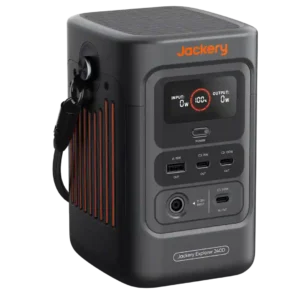
The stated operating range is broad enough for many outdoor situations, and several sources praise all-season usefulness. Performance still degrades at temperature extremes.
Pros: power output, rated output
Cons: AC outlet count, repairability
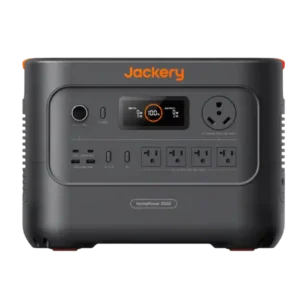
The LFP pack supports a broad practical temperature range, though extreme cold can still reduce performance.
Pros: power output, rated output
Cons: battery expandability, car charging speed
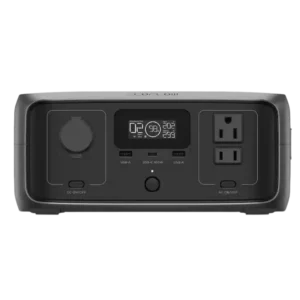
The rated and tested temperature range covers ordinary camping and home-backup conditions.
Pros: noise level, idle noise
Cons: self-discharge rate, air travel suitability
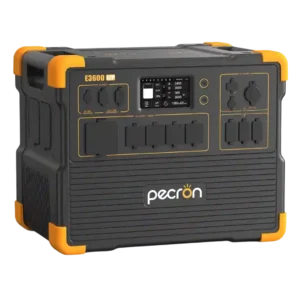
The station supports a broad discharge temperature range, though charging is more restricted near freezing.
Pros: power output, rated output
Cons: output stability, voltage regulation
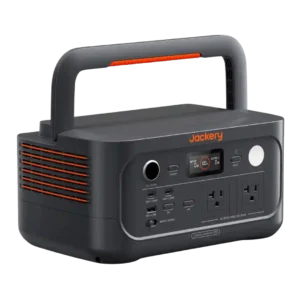
Performance is best in dry, temperate conditions rather than temperature extremes, limiting confidence for harsher environments.
Pros: output stability, pure sine wave output
Cons: remaining runtime estimate, Bluetooth connectivity
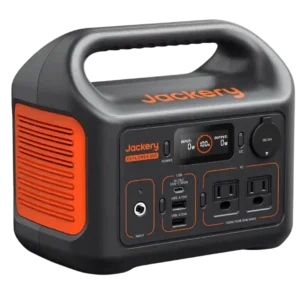
The station works across a useful camping range, but very cold conditions restrict charging and reduce flexibility.
Pros: output stability, voltage regulation
Cons: battery expandability, water resistance
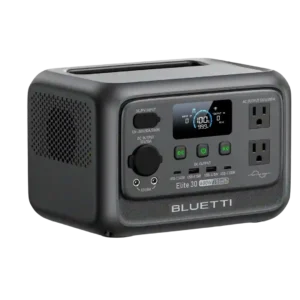
Charging is blocked below 32°F, making the usable winter range narrower than some emergency buyers expect.
Pros: rated output, output stability
Cons: over-voltage protection, cold-weather performance
The unit can output power in very cold weather, but charging below freezing is a serious limitation without a heated space.
Pros: rated output, output stability
Cons: car charging speed, USB-A ports