
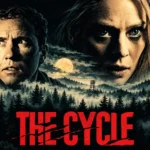
The Cycle Feature Scores
Explore all 66 feature scores for The Cycle, organized into pros and cons.
Scores by Feature
Summary
66 reviewed features-
Very positive 4.5-5.029 (44%)
-
Positive 3.5-4.429 (44%)
-
Neutral 2.5-3.45 (8%)
-
Negative 1.5-2.43 (5%)
Pros
Sort
-
The practical transformations, puppetry and gore are the clearest draw, frequently praised as unusually impressive and memorable. A few rough edges or plasticky moments temper that enthusiasm for some viewers.
-
A fresh twist on familiar creature mythology is a recurring source of enthusiasm. The distinctive forensic angle helps the film feel inventive despite recognizable influences.
-
The lead balances clinical intelligence with anger, vulnerability and grief, then adapts to a more physical survival role. Her emotional control often holds the film together even for viewers divided on the rest.
-
Acting is one of the most consistent strengths, with a compelling lead and generally grounded supporting work. A minority feel the performers are underserved or out of place in the shifting material.
-
A cold, damp coastal setting and restrained investigative mood create persistent dread. Atmosphere remains a strength across both enthusiastic and several mixed reactions.
-
Careful control of clues, atmosphere and practical spectacle often makes the direction feel assured. Reservations center on uneven genre integration and occasional filmmaking missteps.
-
Unexplained bodies, careful clue placement and a sustained police-station sequence build effective anticipation. Even scenes without a visible threat often carry a strong sense of approaching danger.
-
The forensic mystery is a substantial attraction in its own right, with unusual bodies and methodical clues keeping the investigation engaging. Even several mixed assessments prefer these sections to the later horror.
-
The central genre turn and subsequent discoveries can be exciting, clever and worth preserving from spoilers. Experienced horror viewers sometimes guess the destination early, and not everyone welcomes the shift.
-
Cold coastal landscapes, forensic close-ups and a controlled palette give the film a polished procedural identity. Most admire the images, while dissenters object to muddy presentation or obscuring action coverage.
-
The movie often invites a second watch for its planted clues, emotional performances and practical set pieces. Knowing the central reveal is not generally seen as exhausting its appeal.
-
Detailed forensic work, fresh mythology and emotionally grounded characters give the script substance. Repetition, exposition and occasional heavy-handedness can blunt its momentum.
-
The supporting cast generally grounds the mystery with restrained, credible performances. Standout smaller roles bring additional emotion or scene-stealing energy, although some actors deserve stronger material.
-
The blue-gray, rain-soaked imagery creates a confident, ominous identity. It can feel derivative of familiar crime thrillers, and one critic finds the jagged, grimy presentation abrasive.
-
Meg is usually a believable, emotionally layered investigator rather than a stock genius. Some supporting relationships feel underdeveloped, and one critique wants more of her life beyond her father.
-
The score builds a moody undercurrent with restrained, shifting intensity. Its integration with the images and quiet dread attracts particularly strong praise.
-
Most viewers find the mystery and creature payoff engaging or outright exhilarating. A smaller group finds the overall experience cheesy, disappointing or only intermittently entertaining.
-
Visceral transformations and tangible bodily effects give the horror a raw physical force. Admirers regard the nastiness as a strength of the execution.
-
The creature and its transformation can be deeply unsettling, with some unusually enthusiastic praise for their frightening impact. A few jump scares feel artificially arranged through misleading timing.
-
New rules for the creature and its connection to the forensic investigation make the mythology feel unusually inventive. One major objection is that the changes to traditional lore are too hard to believe.
-
Ordinary characters, credible forensic detail and tactile effects give the supernatural events a convincing foundation. The revised monster rules still demand a suspension of disbelief that some viewers cannot sustain.
-
The procedural-to-creature progression is one of the film’s defining attractions and its most divisive choice. Some find the modes complementary and fresh, while others feel the monster material displaces stronger drama.
-
The production often looks and feels more expensive than its independent scale suggests. Ambitious practical work and careful technical craft are central to that impression.
-
The monster effects produce memorable physical imagery and often outperform expectations for the budget. Their old-fashioned tangibility is a major part of the film’s appeal.
-
The film’s classic monster and transformation references often feel like affectionate, purposeful homages. Its strongest tributes retain enough individual detail to avoid simple imitation.
-
Fractured parent-child relationships connect the mystery to inherited resentment and difficult choices. They often add convincing emotional depth, although some parallels remain underexplored.
-
The central father-daughter connection often supplies meaningful emotion and helps bridge the two genres. Some viewers remain unconvinced by that hook or want more development of the supporting family parallels.
-
The creature-feature payoff satisfies many genre enthusiasts, with some calling it a standout werewolf film. Dissenters find the monster section disappointing or ridiculous compared with the investigation.
-
The father-daughter material gives many viewers unexpected heartbreak and a strong human center. Others find the emotional hook unconvincing or notice strangely muted reactions to major losses.
-
The creature is often considered memorable, terrifying and physically impressive. A minority find parts of its appearance plasticky, rough or unintentionally comical.
-
Layered ambient noise, unseen threats and graphic transformation sounds make the horror feel close and physical. Most praise the unsettling detail, but harsh feedback or especially immediate headphone sound can be uncomfortable.
-
Family abandonment, inherited resentment and paternal choices add meaning beyond the monster mystery. Some find these layers affecting, while others think the film either overstates them or sidelines its most interesting psychology.
-
Gore makeup and physical transformations look convincingly tangible. The craftsmanship impresses, although lingering over it can feel indulgent.
-
Clear views of the creature strengthen the impact of its physical construction. Viewers who enjoy the reveal appreciate eventually seeing more than tight fragments of the monster.
-
The monster is a threatening antagonist with a striking design and a particularly unsettling degree of intelligence. Its menace extends beyond simple brute force.
-
The evolving response to an absent father and his death can feel authentic and heartbreaking. The lead’s controlled grief and the recorded farewell are particular emotional strengths.
-
Several viewers consider the experience worth a subscription or a full-price purchase. The strength of the practical effects and overall enjoyment outweighs pacing reservations for them.
-
The bloody kills are often admired for their impact rather than their volume. One account particularly values the balance between practical gore and sustained tension.
-
The creature payoff and final family reckoning satisfy many viewers. Others find the climactic battle dull or feel that an exposition-heavy stretch weakens the finish.
-
A forensic investigation gradually opens into a larger supernatural story. Most find that progression compelling, though a few regard the later revelations as increasingly implausible.
-
The lead is considered an especially good casting choice, and the broader ensemble also earns praise.
-
The dialogue generally sounds believable and links investigative work to the characters’ emotional burdens. Its quieter exchanges help sustain tension.
-
The end credits contain an audio explanation that adds worthwhile mythology and a final revelation. Staying through them can deepen the family mystery.
-
Meg’s vulnerability, competence and ordinary human struggles make her easy to care about. Relatable supporting characters also help anchor the strange events.
-
The coordination of direction, photography, music and performance gives the film a cohesive craft identity. The director and co-writer/cinematographer are repeatedly seen as an effective team.
-
The measured investigation gives clues and dread time to develop. Whether that feels absorbing or padded is the most persistent disagreement, with several viewers wanting a tighter first hour or less late exposition.
-
Some viewers find the shift from solemn investigation to creature horror surprisingly smooth. Others feel the two tones undermine each other or make the film seem like two different movies.
-
The near-two-hour length is a real tradeoff. Enthusiasts find it fluid or want even more, while others would remove ten to fifteen minutes or more from the buildup and exposition.
-
The title resonates across family patterns, serial violence and the creature’s recurring nature, giving it more meaning than a simple monster label.
-
Editing can patiently build anticipation and assemble the effects effectively. Criticisms include lingering shots, disorienting cuts and occasional timing tricks used to manufacture scares.
-
The atmospheric detective-horror approach is seen as capable of satisfying both dedicated underground-horror viewers and more casual genre fans.
-
The supporting officers complement the lead without competing for attention, keeping the performances effectively balanced.
-
The different choices fathers make for their children create effective, affecting relationships. Their consequences give the monster story emotional weight.
-
The realism of the small-town setting helps ground the creature story. A convincing sense of place keeps the supernatural events connected to ordinary life.
-
The return to classic physical monster makeup evokes an affectionate connection to older horror craft. That familiarity helps make the film charming despite its flaws.
-
Classic monster makeup carries a warmly nostalgic appeal. Its return to physical craft recalls the pleasure of discovering older effects work.
-
The teasing trailer successfully builds curiosity for some viewers by offering hints of the supernatural without explaining the whole concept.
-
The psychological and investigative drama earns modest approval even from a critic disappointed by the later creature material.
Cons
Sort
-
Detailed corpse work and visceral effects can be difficult for squeamish viewers, provoking closed eyes and wincing. Enjoying the story does not necessarily make those images comfortable to watch.
-
Close, unstable framing can obscure the creature during action scenes. This is a noticeable weakness beside the more controlled procedural imagery.
-
Action is divisive: the kills and creature mayhem can thrill, but tight, shaky photography sometimes makes attacks difficult to follow. One strongly negative assessment finds the final battle boring.
-
The romantic undercurrent is slight and feels closer to an undeveloped crush than a convincing relationship.
-
The featured Silver Lady recording earns mild approval, although the song choice leaves one viewer wishing for a different track.
-
The investigative pieces usually connect with care, but a few scenes confuse viewers and some questions remain unanswered.
-
Lighting usually strengthens the cold, uneasy atmosphere and avoids the murkiness some associate with modern thrillers. One sharply negative response instead finds the lighting muddy.
-
Opinions split over how well the trailer protects the central surprise. Some praise its restraint, while others think even brief transformation footage gives away too much.
Use Cases
Best for
Sort
-
Practical-effects enthusiasts are especially well served by the detailed transformation, tactile makeup and ambitious creature work. Even a less enthusiastic assessment recognizes its technical-showcase appeal.
-
The investigative dread and eventual creature mayhem make it a frequently recommended Halloween-season watch. A more reserved response still finds it diverting seasonal entertainment.
-
Horror fans have a strong reason to watch for the inventive creature mythology, practical effects and investigative foundation. The enthusiasm extends beyond dedicated werewolf enthusiasts.
-
Patient horror viewers are rewarded with a developed mystery and a substantial creature payoff. The slow buildup is more likely to work if forensic detail and mounting dread are attractions in themselves.
-
Several viewers regard the atmosphere and surprises as worthy of a theatrical presentation. A big screen can intensify the tension and the experience of discovering its genre shift.
-
Thriller fans are drawn to the methodical forensic investigation and cold procedural mood. The recommendation is strongest for viewers also receptive to a supernatural monster payoff.
-
Fans of older creature features are likely to appreciate the physical monster craft and affectionate genre references. The appeal comes from recapturing that practical magic while adding a fresh idea.
-
It is generally recommended as a worthwhile stream, including for existing subscribers or those considering a trial. Its stronger craft and effects help offset pacing reservations.
-
A full auditorium is specifically recommended for sharing the tension and atmosphere. The crowd experience is presented as a strong fit for the film’s surprises.
-
Viewers who value grounded characters and a recognizable scientific setting have a strong foundation here. The ordinary world gives the supernatural intrusion much of its power.
-
Mystery fans can enjoy an investigation that withholds answers while offering clues to work through. The forensic approach keeps curiosity active before the supernatural payoff.
-
Viewers who like working through clues can follow the investigation alongside Meg. The film gives them room to form and revise explanations as events unfold.
-
The atmospheric mystery is specifically recommended for a rainy night. Its damp, moody setting is part of that appeal.
-
Viewers interested in how horror combines and reshapes genres may find the film intellectually stimulating even when its emotional execution is uneven.
Conditional or not ideal for
-
Jump-scare-focused viewingViewers seeking constant quick jump scares are unlikely to get the experience they want. The film favors an extended investigation and patient tension before its creature payoff.
-
Headphone viewingNoise-canceling headphones can make the visceral sounds uncomfortably immediate for sensitive viewers. The close audio experience provoked wincing and is a conditional fit rather than a relaxed way to watch.
Cast & Creators
-
MegWoll’s intelligent, emotionally controlled portrayal is a major anchor, moving convincingly from professional composure to grief and physical resolve. Even many mixed responses value her work, though a few find the shifting material an awkward fit.
-
Writer, EditorDowney often earns strong praise for controlled disclosure, atmospheric craft and an ambitious practical-effects payoff. Some critics find his integration of the two genres insufficiently precise or feel the execution has noticeable missteps.
-
Special Effects ArtistMagee’s transformation and creature-effects work receives some of the strongest praise, combining disturbing physical detail with memorable craftsmanship. Admirers often treat his team’s contribution as a principal reason to watch.
-
Writer, CinematographerStewart’s photography gives the investigation a cold, polished mood, while his collaborative writing builds detailed clues and emotionally grounded characters. Some distracting visual choices and unevenness in the broader screenplay temper the praise.
-
MarksDonovan usually earns praise for quiet, nuanced supporting work that grounds the investigation without taking focus from the lead. A minority feel the changing tones leave him out of place or underserved.
-
ComposerSoole’s restrained, atmospheric compositions sustain tension without overwhelming the film. His score is singled out as an exceptional genre contribution.
-
PeterGregory’s portrayal brings sympathy and powerful emotion to the father’s story. His recorded material can be especially heartbreaking and chilling.
-
ActorNewlin’s physical performance gives the practical creature an impressive, threatening presence. His contribution is praised as essential to bringing the monster to life.
-
RattermanBerrier’s understated performance earns direct praise for its strength. He also belongs to the supporting ensemble regarded as a pleasure to watch.
-
ActorHochman’s supporting performance is praised for complementing the lead without stealing focus. He also contributes to the well-regarded ensemble.
-
ActorBotello’s supporting turn is singled out for stealing scenes and adding a memorable presence to the bleak mystery.
-
JoniCorbett is appreciated as part of the strong supporting cast. A more negative assessment still credits her effort while wishing she had better material.
-
ActorCrudup is included in the warmly received supporting ensemble, adding to the film’s overall casting appeal.
-
FranMillican is part of the supporting cast praised for strengthening the movie around its lead.
-
ActorDoolan contributes to the supporting ensemble that helps make the film a rewarding genre hybrid.