Realistic climbing peril includes collapsing ice, crevasse falls, avalanches, and dangerous weather. Bereavement, childhood abandonment, and racial discrimination add emotionally challenging themes.
Official ratingPG
Bottom Line
Choose Tenzing for an immersive mountain adventure, a compelling lead, and earned inspiration. Skip it if you want a deeply probing biography or frequent action thrills.
Adventure viewers seeking a convincing vicarious Everest expedition and an encouraging story of persistence. Families also receive positive suitability assessments for its relatively restrained intensity.
Viewers seeking detailed biographical insight or a steady supply of action thrills may find the familiar structure and restrained danger limiting.
Verdict
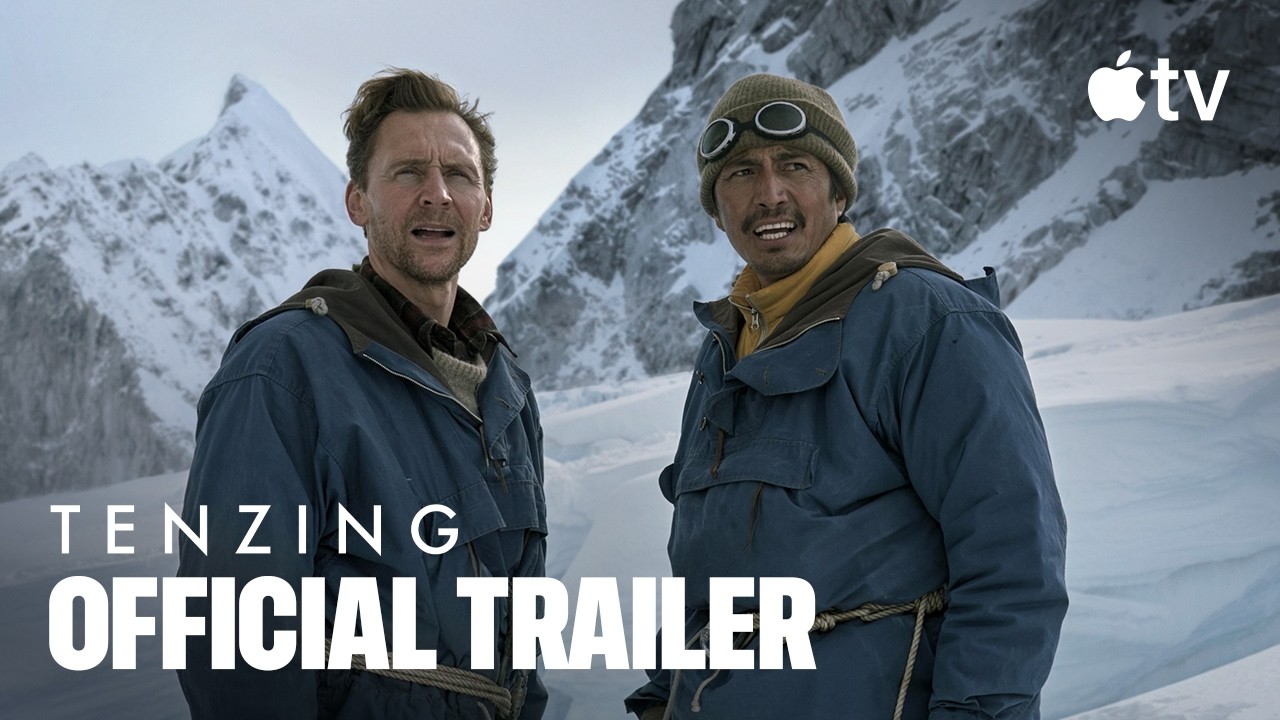
Tenzing is strongest when it makes the ascent feel physical and gives its overlooked climber the center of the frame. Genden Phuntsok brings warmth, resolve, and vulnerability, while Tom Hiddleston generally supplies a restrained, respectful partner. Mountain photography, tactile sound, and an expressive score make the expedition absorbing. The Sherpa language and sacred view of Chomolungma give familiar history a welcome perspective. The tradeoff is a conventional biography whose flashbacks divide opinion: some find them illuminating and well balanced, while others see repetitive interruptions that weaken tension. Dawa and Jill Henderson are repeatedly criticized as underwritten, and several assessments want deeper inquiry into Tenzing or the racial hierarchy around him. The result is a rewarding, accessible adventure with stronger physical immersion than biographical insight.
character development: 3.5, 21 reviews, low consensus
The three stages of Tenzing’s life reveal his resolve and motivation for some viewers. Others find the portrait shallow, with underdeveloped women and climbers surrounding a carefully protected hero.
Sweeping mountain vistas and close physical detail are the most dependable source of praise. A few find the imagery less breathtaking than expected or feel the grandest sights arrive too late.
lead performance: 4.6, 20 reviews, strong consensus
Genden Phuntsok’s warm, resolute, emotionally expressive portrayal is a consistent strength. He makes Tenzing feel human and compelling even when the biography becomes overly reverent.
story quality: 3.8, 18 reviews, moderate consensus
The overlooked climber’s viewpoint gives the ascent fresh emotional and spiritual meaning. The biography’s familiar beats and limited inquiry divide opinion more than the expedition itself.
The film’s cold light, sweeping scale, and vivid village imagery are repeatedly admired. Its polished natural-history feel can be gorgeous while also contributing to an overly glossy portrait.
Hiddleston and Dafoe bring charm, reserve, humor, and authority to the expedition. Other supporting actors do effective work with thin roles, though their impact is less consistent.
The script can thoughtfully connect personal history, friendship, and the ascent. Formulaic beats, underwritten women, simplified motives, and limited social analysis are recurring weaknesses.
Centering Tenzing gives familiar Everest mythology a fresh perspective. The surrounding childhood-setbacks-triumph structure remains conventional and sometimes feels too formulaic.
Portrayal of women: 2.2, 9 reviews, strong consensus
Dawa and Jill Henderson are repeatedly criticized as thinly written supports for a man’s achievement. Their importance to Tenzing is clear, but their own identities receive little room.
character screen time: 3.2, 5 reviews, low consensus
Most assessments welcome Hillary’s supporting position and the focus on Tenzing. Others question the space given to British characters, while Dawa and Jill consistently receive too little.
Some welcome the historical detail and honest basis of the friendship. Others flag streamlined history and a potentially fictional childhood encounter as reasons to treat it as dramatization.
The length works when slower emotional beats and tense climbing passages stay balanced. Several assessments find it too long or insufficiently sustained by its contemplative pace.
The film offers a convincing way to experience an Everest expedition from a seat. Cold, altitude, ice, and vast landscapes make the climb feel close, even when its drama is deliberately gentler.
The expedition delivers imposing landscapes, physical danger, and an earned partnership. It works best as a patient, human adventure, with familiar biopic conventions holding back some of the excitement.
Tenzing’s persistence offers encouragement to pursue difficult personal goals. The uplift is often judged earned, though the film’s reverence can smooth away complexity.
The climb is more revealing than the portrait for viewers seeking a detailed understanding of the man. Several assessments favor a book or autobiography for deeper biographical insight.
Viewers seeking frequent set pieces may find the restrained climb short on thrills. Its quieter approach avoids invented action, but some find the ascent insufficiently exciting.
Phuntsok is repeatedly praised for warmth, resolve, vulnerability, and emotional precision. His understated presence anchors the film and makes its revered hero feel human.
Duscio’s sweeping landscapes and close physical detail are repeatedly praised as gorgeous or spectacular. His imagery supplies much of the film’s convincing scale and immersion.
Hiddleston’s quiet warmth, charm, and restraint usually strengthen Phuntsok’s lead rather than compete with it. One dissent finds his star presence so magnetic that it distracts from Tenzing.
Jennifer Peedom: 4.3, 19 reviews, strong consensus
Peedom’s experience with mountains gives the direction physical authenticity, strong imagery, and an attentive human perspective. The flashback structure and conventional biopic approach draw the most reservations.
Dafoe brings authority, humor, and humanity to Hunt, often making a familiar type more complex. His impact ranges from barely registering to overpowering the lead, depending on the assessment.
Davies earns praise for thoughtful personal context, an unforced partnership, and at times seamless storytelling. Familiar character types and conventional biography keep that approval qualified.
Compared with other Movies, this product is above average in family friendliness, film framing, age appropriateness, near average in supporting cast performance, lead performance, below average in Portrayal of women, friendship portrayal, Biographical coverage.
Comparison summary
60 compared features
Above average0.4+ pts higher
29(48%)
Same as averagewithin 0.3 pts
26(43%)
Below average0.4+ pts lower
5(8%)
Largest category differences
Attribute
This product
Category average
Difference
family friendliness
4.5
2.4
+2.1
film framing
5.0
3.2
+1.8
age appropriateness
4.3
2.7
+1.7
ending satisfaction
4.8
3.2
+1.5
makeup quality
5.0
3.5
+1.5
title appeal
5.0
3.5
+1.5
Religious messaging
4.3
2.9
+1.4
dialogue quality
4.3
3.0
+1.3
Consider This Instead
If you want better theme depth
Choose Heart of the Beast. It scores 5.0 vs 3.9 for theme depth, with a 3.9 overall score.
Products reviewers directly compared with this model, grouped into quick takeaways.
Planet Earth
Similar: Nature-photography standardThe dramatic feature is judged to match the spectacular nature imagery associated with Planet Earth.
Similar: Scenic spectacle versus biographical depthThe film is likened to a scenic nature series rather than a revealing portrait.
Death Stranding
Similar: Ropes and laddersThe practical climbing equipment recalls the traversal tools in Death Stranding.
Everest
Better: Climbing thrillsThe actual climb is judged less thrilling than the 2015 film.
FAQ
What is Tenzing’s strongest quality?
The mountain photography and immersive climbing experience receive the most consistent praise, alongside Genden Phuntsok’s warm, resolute performance.
Does it keep Tenzing at the center?
Most assessments welcome Hillary’s supporting position and the attention to Sherpa perspectives. A dissent finds the supporting stars overpowering, and some question the space given to British characters.
Is it suitable for family viewing?
Several assessments endorse its family appeal and restrained intensity. Collapsing ice, dangerous falls, bereavement, and childhood abandonment can still be challenging for younger viewers.
How well do the flashbacks work?
Opinions split: they explain Tenzing’s motivations and balance emotion with danger for some, but feel repetitive and interrupt the climb’s tension for others.
Is it a detailed biography?
It connects childhood, romance, and the expedition, but several assessments find little exploration beyond Tenzing’s determination. A book or autobiography may offer more insight into the man.
Is a theater worthwhile?
Yes. The sweeping landscapes are repeatedly judged worth seeing on a large screen, and a living-room presentation can reduce their scale.
How are the supporting roles?
Hiddleston and Dafoe generally earn praise for charm, restraint, authority, and humor. Dawa and Jill Henderson are repeatedly criticized as underwritten.
Sample Expert Reviews We Analyzed
These are a few of the reviews included in our analysis.
Choose this inventive, unsettling documentary for fearless questioning, dark humor, and unpredictable storytelling. Skip it if you want a short, straightforward exposé with definitive answers.
Best for a hypnotic, bookish mystery with tactile visuals and cerebral chills. Skip it if reading-heavy, attention-demanding storytelling sounds more exhausting than exciting.
Best for an intimate, searching documentary that rewards focused attention and invites discussion. Skip it when devastating grief, addiction footage, and unresolved family tensions would be too much.
Best for patient suspense, an unforgettable score, and an unsettling masked killer. Skip it for very young children or if you want to avoid intense scares; its restrained kills also...